
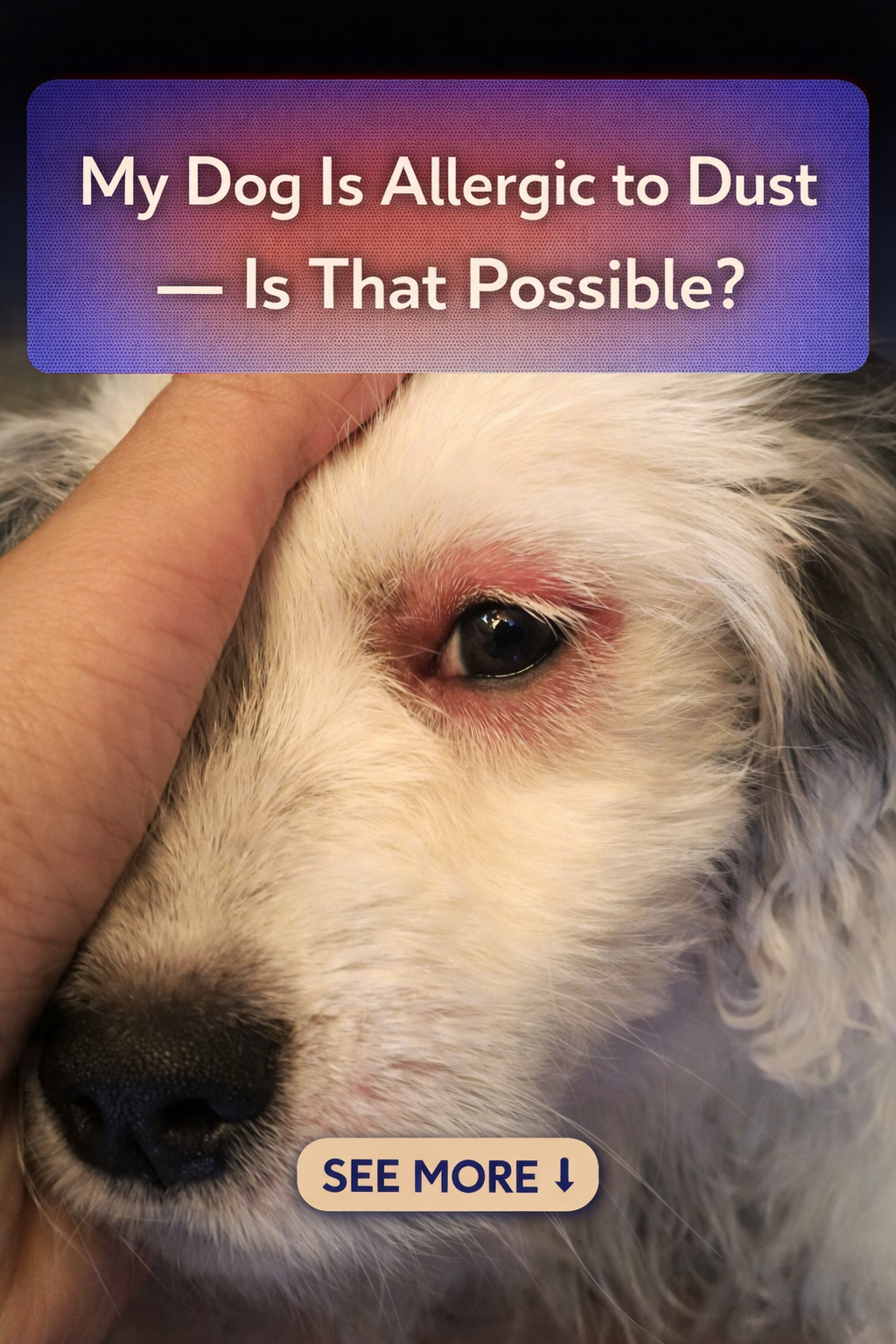
Yes—dogs can be allergic to dust, especially house dust mites. Dust allergies are a type of environmental (atopic) allergy, and they’re very common in dogs. Unlike food allergies, dust allergies often cause year-round symptoms, especially indoors.
Below is how to tell if dust is the culprit, what signs to watch for, and how to help your dog feel better.
Common Signs of Dust Allergy in Dogs
You may notice:
-
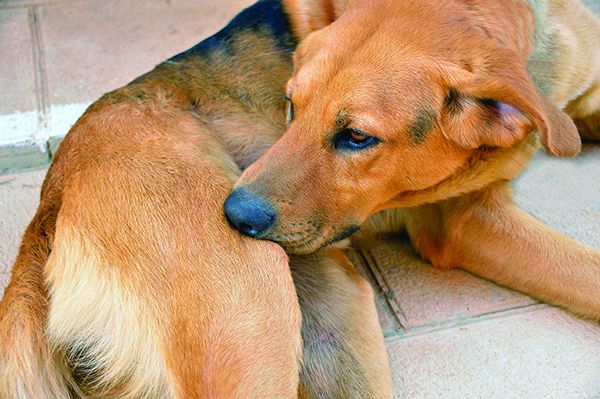
Itchy skin (especially paws, belly, armpits, ears)
-
Constant paw licking or chewing
-
Red, inflamed skin or hot spots
-
Recurrent ear infections
-
Sneezing or nasal discharge indoors
-
Watery eyes
-
Symptoms worse at home and better outdoors
👉 Unlike humans, dogs with allergies usually show skin problems, not runny noses.
Why Dust Causes Allergies
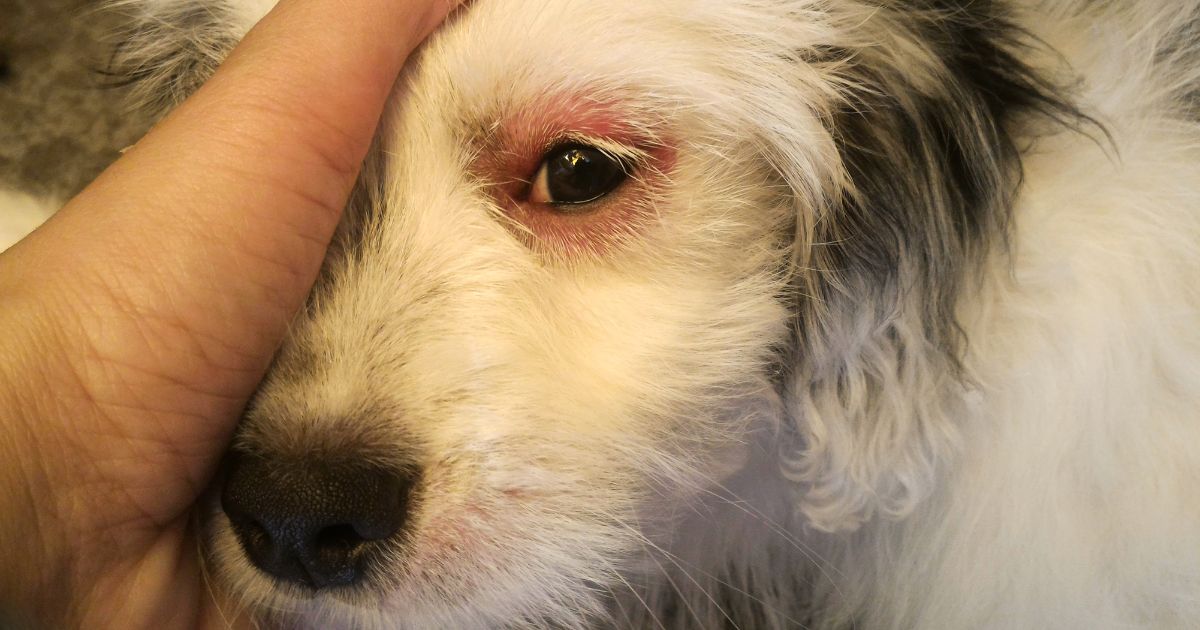
The main triggers are:
-
House dust mites (in carpets, bedding, couches)
-
Indoor mold spores
-
Household dust particles
Your dog’s immune system overreacts, releasing histamine—leading to itching and inflammation.
How to Tell Dust Allergy From Other Allergies
🧹 Dust / Environmental Allergy
-
Symptoms all year
-
Worse indoors
-
Improves when sleeping area is changed
🍗 Food Allergy
-
Year-round but not location-dependent
-
Often includes GI issues (vomiting/diarrhea)
🌸 Seasonal Allergy
-
Worse in spring/fall
-
Improves in winter
Many dogs have more than one allergy.
Breeds Commonly Affected
-
Bulldogs & Frenchies
-
Retrievers
-
Terriers
-
German Shepherds
-
Poodles
But any dog can develop dust allergies.
What You Can Do Right Now
Reduce Dust Exposure
-
Wash dog bedding weekly in hot water
-
Use HEPA air purifiers
-
Vacuum carpets and furniture frequently
-
Avoid letting your dog sleep on couches or rugs
-
Use dust-mite covers if possible
Soothe the Skin
-
Regular medicated or hypoallergenic baths
-
Omega-3 fatty acid supplements (vet-approved)
-
Wipe paws after indoor rest time
When to See the Vet
🚨 Book a vet visit if:
-
Itching is constant or severe
-
Skin infections keep returning
-
Ears are repeatedly infected
-
Your dog is losing hair or has open sores
Your vet may recommend:
-
Allergy testing
-
Prescription allergy medications
-
Immunotherapy (allergy shots or drops)
Can Dogs Live Comfortably With Dust Allergies?
Yes—very comfortably with management. Most dogs need a long-term plan, not a one-time fix. When triggers are controlled and inflammation is treated, quality of life improves dramatically.
Final Takeaway
If your dog seems itchy, sneezy, or uncomfortable mostly indoors, dust allergy is a strong possibility. While you can’t eliminate dust completely, reducing exposure and treating the immune response can make a huge difference.
🐾 Allergies don’t mean suffering—when you know the trigger, you can protect your dog every day.