

If your dog mounts (humps) other dogs repeatedly, it can feel embarrassing, disruptive, or even lead to fights. While many people assume it’s about sex or dominance, constant mounting is usually driven by excitement, stress, poor impulse control, or learned behavior—not hormones alone.
Here’s how to understand what’s really behind the behavior and how to stop it safely.
What Constant Mounting Looks Like
You may see your dog:
-
Mounting dogs of any sex or size
-
Repeating the behavior nonstop
-
Ignoring corrections or recalls
-
Becoming fixated and unable to disengage
-
Triggering growls or snap-backs from other dogs
👉 Frequency and inability to stop are the biggest red flags.
The Most Common Reasons Dogs Mount Other Dogs
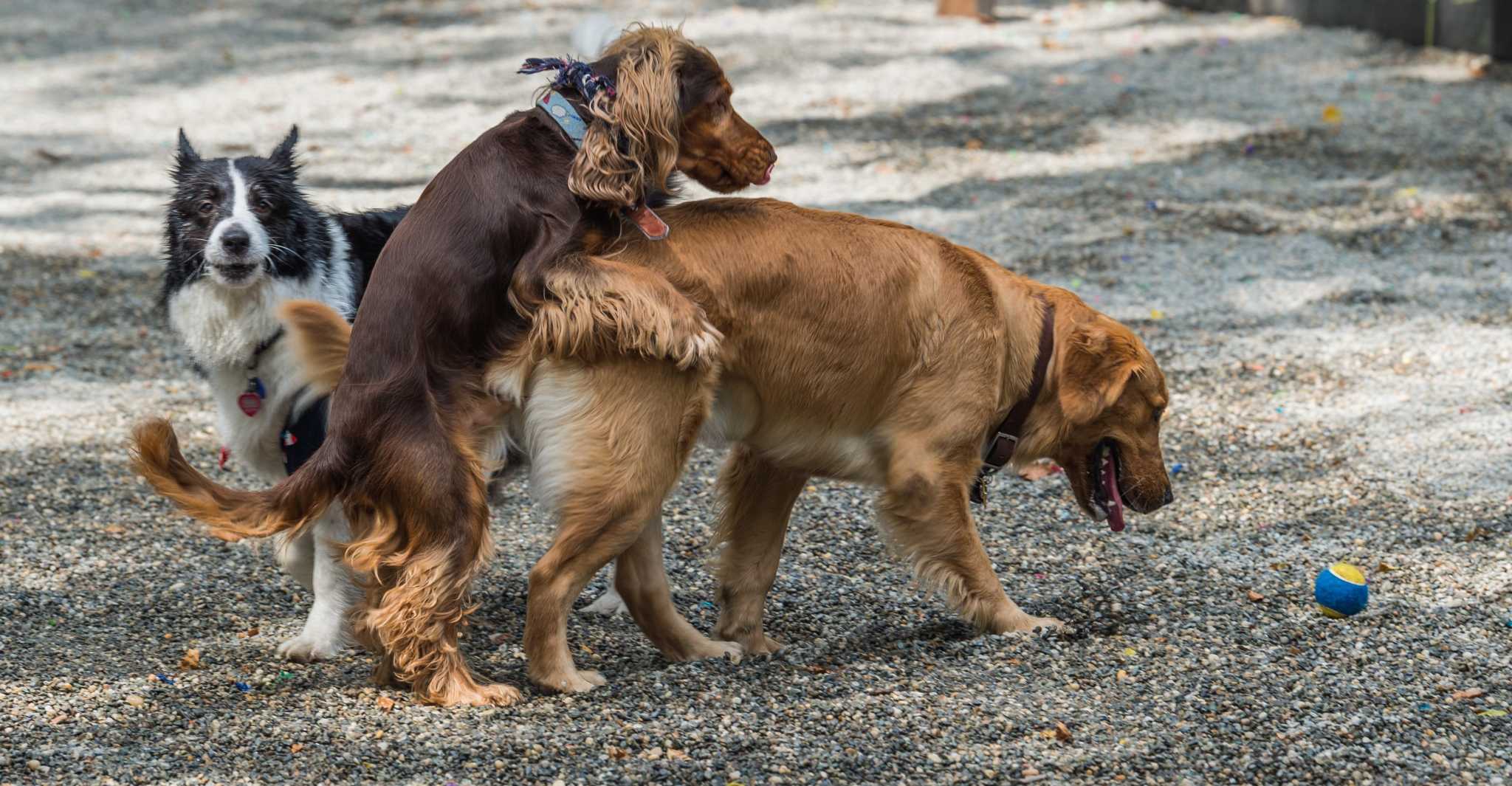
1. Overexcitement / Over-Arousal (Most Common)
Many dogs mount when emotions run too high.
-
Dog parks
-
Greetings
-
Play escalation
The brain gets flooded—thinking shuts off, behavior explodes.
2. Stress or Anxiety
Mounting can be a displacement behavior.
-
New dogs
-
Busy environments
-
Social pressure
It’s your dog’s attempt to cope with stress.
3. Poor Social Skills
Some dogs never learned:
-
How to pause play
-
How to read “no” signals
Mounting becomes a default interaction.
4. Learned Behavior
If mounting ever:
-
Ended play (which the dog wanted)
-
Gained attention
The behavior was unintentionally reinforced.
5. Hormones (Sometimes)
Intact males may mount more—but:
-
Neutered dogs do this too
-
Females do it too
Hormones can amplify, but rarely cause obsession alone.
6. Medical Issues (Less Common, Important to Rule Out)
-
Urinary discomfort
-
Skin irritation
-
Neurological issues
If mounting is sudden or new, get a vet check.
When Mounting Becomes a Serious Problem

🚨 Seek professional help if your dog:
-
Mounts nonstop and won’t disengage
-
Triggers fights or snap-backs
-
Ignores all cues
-
Mounts people as well as dogs
-
Gets worse over time
Unchecked mounting can escalate into aggression.
What NOT to Do
❌ Yell or punish
❌ Let dogs “work it out”
❌ Allow repeated mounting
❌ Assume neutering alone will fix it
These approaches often increase stress and fixation.
What Actually Helps (Step by Step)
1. Interrupt Early
The moment arousal rises:
-
Call your dog away
-
Leash briefly
-
Create distance
Earlier = easier.
2. Limit High-Arousal Environments
-
Avoid dog parks temporarily
-
Choose calm, structured playmates
-
Use parallel walks instead
Less chaos = better learning.
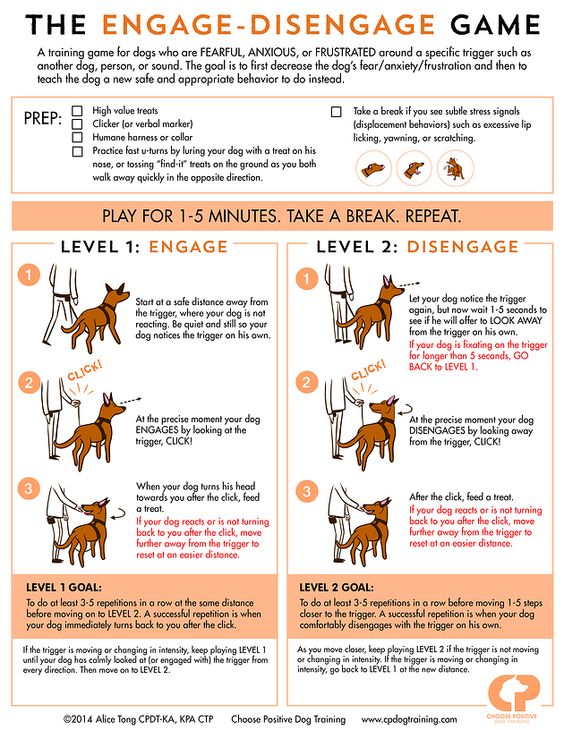
3. Teach Disengagement
Reward:
-
Turning away
-
Checking in with you
-
Choosing calm
Disengaging is a skill.
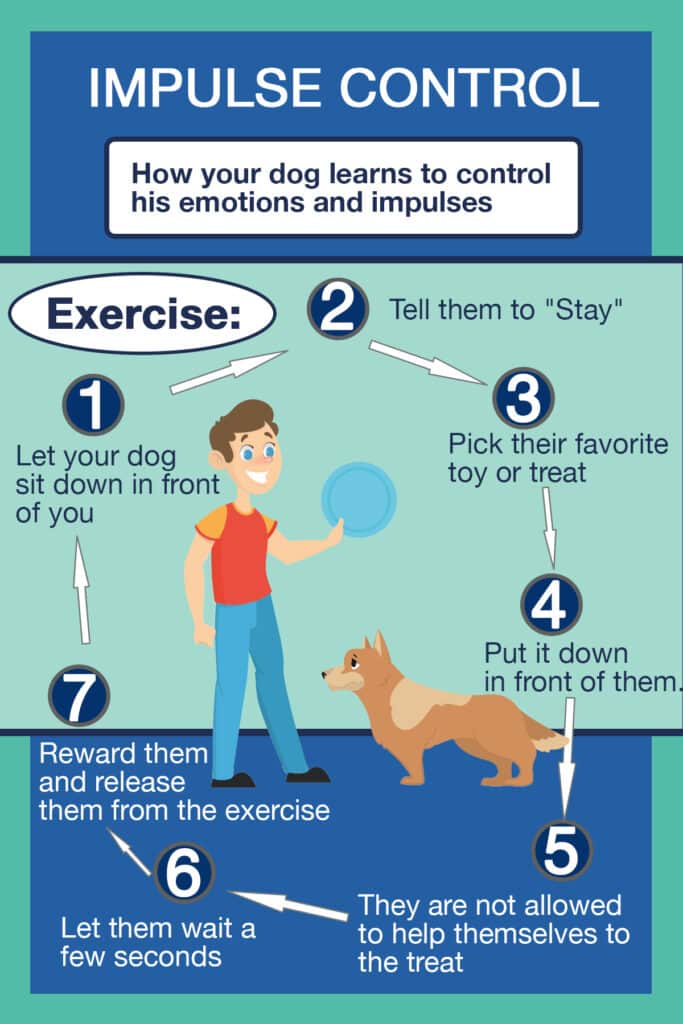
4. Build Impulse Control Daily
Practice:
-
Sit before play
-
Place/mat training
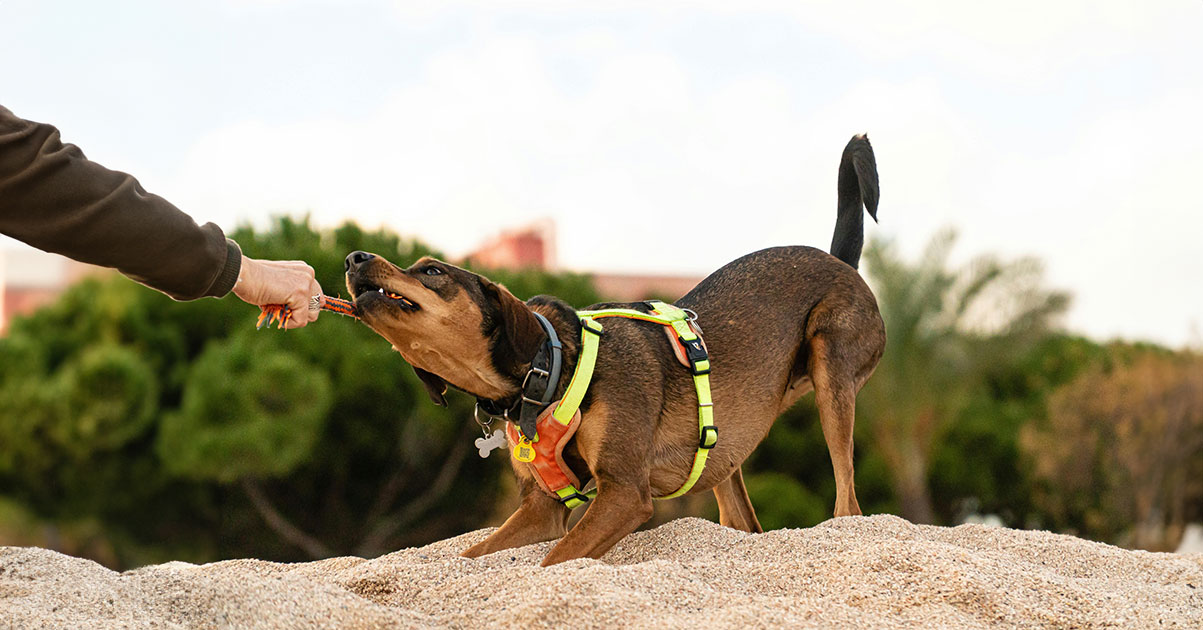
-
Short focus games
Impulse control reduces mounting everywhere.
5. Use Structured Breaks
Play should include:
-
Frequent pauses
-
Calm resets
Overtired dogs lose control.
6. Consider Neutering (If Intact)
Neutering may reduce:
-
Intensity
-
Frequency
But it works best combined with training.
Can Dogs Learn to Stop Mounting Other Dogs?
Yes—very often.
When:
-
Arousal is managed
-
Skills are taught
-
Rehearsal stops
Most dogs improve significantly within weeks.
Final Takeaway
Constant mounting isn’t about dominance or bad manners—it’s a sign your dog is overwhelmed and lacking regulation skills. With structure, calm exposure, and impulse-control training, the behavior can fade—and social interactions become safe again.
🐾 Calm dogs don’t mount. Teach calm, and the behavior follows.