
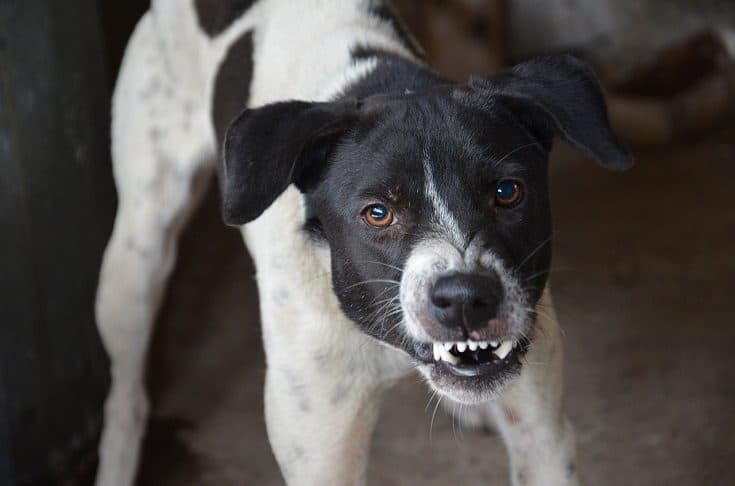
If your dog growls, stiffens, or reacts only to specific breeds—but seems fine with others—you’re not imagining patterns. This is a well-known behavior called breed-specific reactivity, and it’s usually driven by past experiences, visual cues, fear, or arousal, not “prejudice” or dominance.
Here’s how to understand why it happens, what it means, and how to reduce it safely.
What Breed-Specific Growling Looks Like
You may notice your dog:
-
Growls only at large dogs, small dogs, or flat-faced breeds
-
Reacts to fluffy coats, upright ears, curled tails, or dark colors
-
Is calm with familiar dogs but tense with certain looks
-
Freezes, stares, then growls as those dogs approach
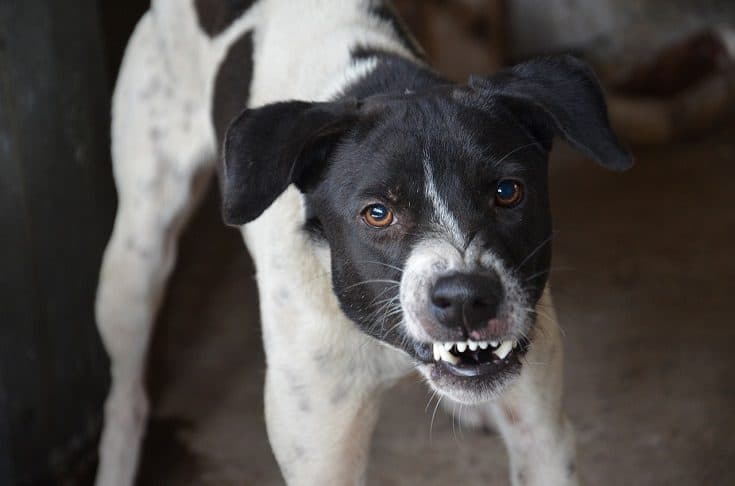
👉 Growling is communication—your dog is saying, “I’m uncomfortable.”
Why Dogs Target Certain Breeds

1. Past Negative Experience (Most Common)
One bad interaction can create a mental shortcut:
-
“Dogs that look like this are unsafe.”
Your dog generalizes the fear to similar-looking dogs.
2. Visual Differences Dogs Find Threatening
Some breeds naturally display signals dogs misread:
-
Brachycephalic faces (harder to read expressions)
-
Upright ears / stiff tails (look alert or confrontational)
-
Large size or fast movement
Dogs rely heavily on body language, not breed labels.
3. Lack of Early Socialization
Dogs not exposed to a wide variety of dogs early:
-
Don’t learn that different shapes = safe
-
React defensively to the unfamiliar
4. Leash Reactivity
On leash, dogs:
-
Can’t create distance
-
Feel trapped
If certain breeds feel more intimidating, reactions intensify.
5. Heightened Arousal or Anxiety
Anxious dogs scan for threats.
-
Anything “different” stands out
-
Growling increases to keep distance
Is Growling a Bad Sign?
Not necessarily.
✅ Healthy Communication
-
Growl without lunging
-
Body stays controlled
-
Dog can disengage
This is your dog asking for space.
🚨 Needs Attention
-
Growling escalates to snapping
-
Stiff, frozen posture
-
Cannot recover after the trigger passes
This needs management and training, not punishment.
What NOT to Do
❌ Punish growling (removes warning)
❌ Force greetings with “problem” breeds
❌ Yank the leash or yell
❌ Assume your dog is being “mean”
Punishment increases fear and bite risk.
What Actually Helps (Step-by-Step)
1. Increase Distance From Trigger Breeds
Distance lowers fear.
-
Cross the street
-
Turn early
-
Create visual barriers
2. Change the Emotional Response
At a safe distance:
-
Trigger breed appears → treats start
-
Trigger leaves → treats stop
Your dog learns: that look predicts good things.
3. Teach Disengagement
Reward:
-
Looking away
-
Checking in with you
Attention before obedience.
4. Avoid On-Leash Greetings
Especially with breeds your dog reacts to.
-
Parallel walks instead
-
No face-to-face pressure
5. Rule Out Pain
Pain lowers tolerance.
-
Joints
-
Back/neck
-
Ears
A vet check is smart if behavior changed suddenly.
Can Dogs Learn to Like Those Breeds?
They don’t have to like them.
The goal is calm neutrality—walking past without reacting.
Most dogs improve greatly with:
-
Distance-based training
-
Consistency
-
Calm handling
Final Takeaway
When a dog growls at certain breeds, it’s not bias—it’s pattern recognition shaped by fear or experience. Growling is your dog’s early warning, not misbehavior.
🐾 Respect the message, change how your dog feels, and the behavior will follow.