
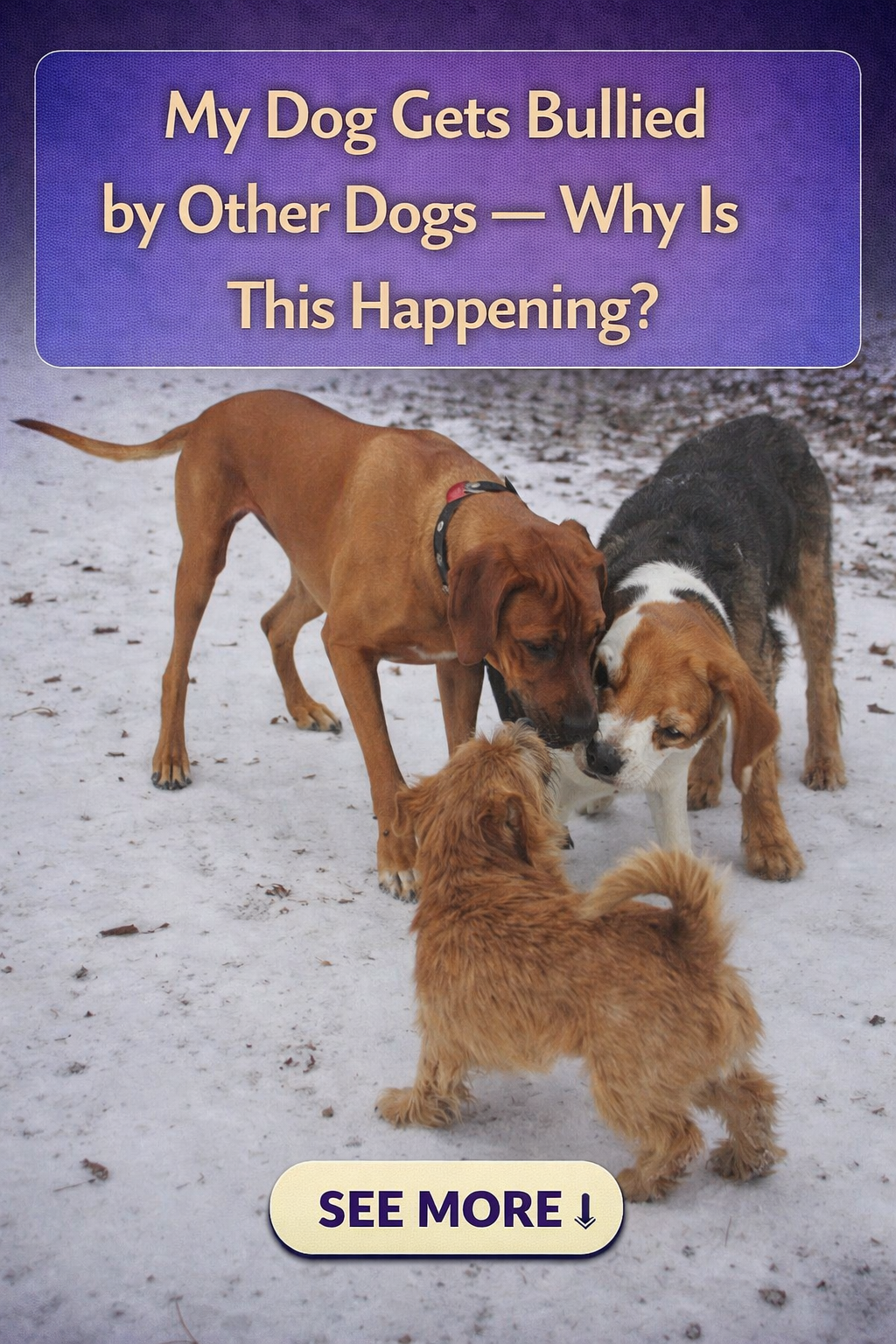
If your dog is constantly targeted, chased, mounted, cornered, or snapped at by other dogs, this isn’t “dogs being dogs.” It’s a real problem—and it can seriously affect your dog’s confidence, safety, and long-term behavior.
This guide explains why some dogs get bullied, how to spot the signs early, and what you can do to protect your dog and rebuild confidence.
What Being “Bullied” Looks Like
Your dog may:
-
Be repeatedly chased or pinned
-
Get mounted over and over
-
Be growled at when approaching toys or people
-
Freeze, crouch, or hide
-
Roll onto their back excessively
-
Avoid eye contact or try to escape
-
Stop playing altogether
👉 If your dog is trying to disengage and other dogs won’t stop, that’s bullying—not play.
Why Some Dogs Get Targeted
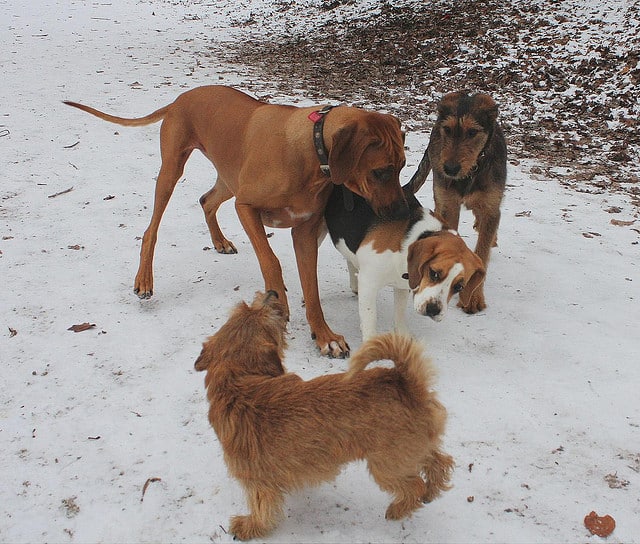
1. Naturally Submissive or Gentle Personality
Some dogs communicate softly:
-
Curved bodies
-
Averted gaze
-
Low energy
Pushy dogs read this as “I can control you.”
2. Poor Dog Social Skills (From Others)
Many bullies:
-
Miss calming signals
-
Ignore “no” cues
-
Are overexcited or undertrained
Your dog isn’t doing anything wrong—the other dogs are.
3. Size or Age Difference
-
Puppies
-
Small dogs
-
Seniors
These dogs are often targeted because they’re less likely to fight back.
4. Mounting or Dominance Displays
Mounting, blocking movement, or standing over another dog is social pressure, not play.
5. Bad Dog Park Dynamics
Dog parks often mix:
-
Incompatible play styles
-
Overstimulated dogs
-
Owners who don’t intervene
This is a common place bullying happens.
Why This Is a Serious Issue
🚨 Repeated bullying can lead to:
-
Fear-based aggression later
-
Leash reactivity
-
Loss of confidence
-
Chronic stress
-
Dogs who “snap out of nowhere”
Many “aggressive” dogs started as bullied dogs.
How to Tell Play From Bullying
✅ Healthy Play
-
Both dogs take turns
-
Role reversals (chaser/chased switch)
-
Frequent pauses
-
Loose, bouncy bodies
❌ Bullying
-
One dog always on the bottom
-
No breaks
-
One dog trying to escape
-
Stiff bodies, pinned ears
If your dog can’t opt out, it’s not play.
What You Should Do Immediately

1. Remove Your Dog Early
Leaving early is protection, not weakness.
-
Don’t wait for a fight
-
Don’t “see if it stops”
2. Stop Dog Parks (Temporarily or Permanently)
Many sensitive dogs:
-
Do much better without dog parks
-
Thrive in calmer, structured settings
Dog parks are not required for a happy dog.
3. Advocate for Your Dog
You are your dog’s voice.
-
Step between dogs
-
Call your dog away
-
Ask other owners to intervene
Your dog needs to know you’ve got them.
4. Choose Better Social Settings
-
One-on-one playdates
-
Calm, compatible dogs
-
Parallel walks
Quality > quantity.
How to Rebuild Your Dog’s Confidence
1. Give Your Dog Successful Interactions
-
Short
-
Calm
-
Controlled
Success rewires fear.
2. Teach an Exit Cue
Train a cue like:
-
“This way”
-
“Come”
Reward your dog for choosing you over conflict.
3. Avoid Forcing Socialization
Your dog does not need:
-
Lots of dog friends
-
Rough play
-
Constant interaction
Neutral coexistence is healthy.
When to Get Professional Help
Seek help if your dog:
-
Is becoming fearful or reactive
-
Freezes or shuts down
-
Has started growling or snapping
-
Seems stressed around all dogs now
Early support prevents fear from turning into aggression.
Final Takeaway
If your dog is being bullied, it’s not because they’re weak—it’s because they’re polite, gentle, or overwhelmed. Protecting your dog now prevents serious behavioral problems later.
🐾 A confident dog isn’t one who fights back—it’s one who knows their human will step in.