
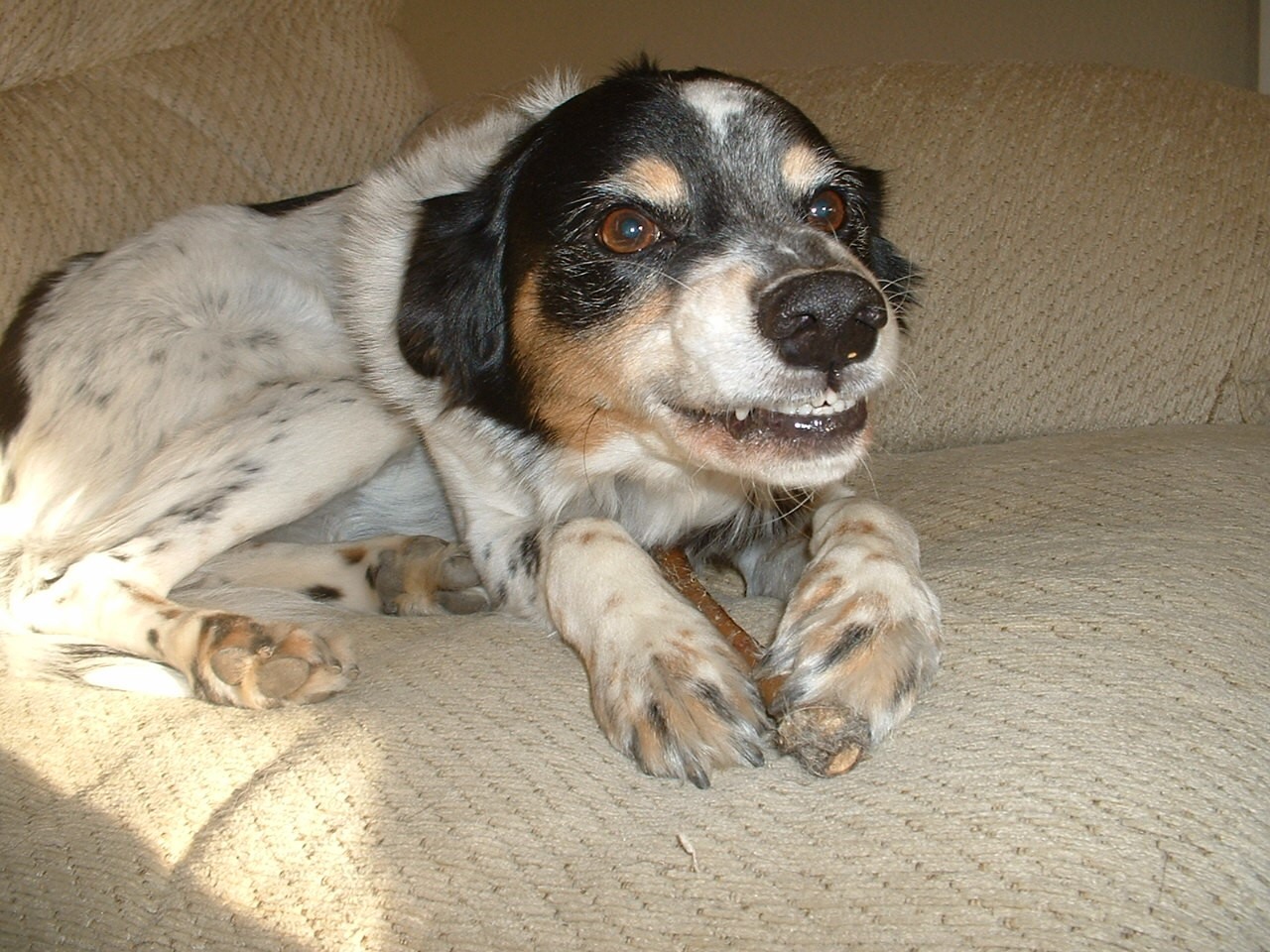
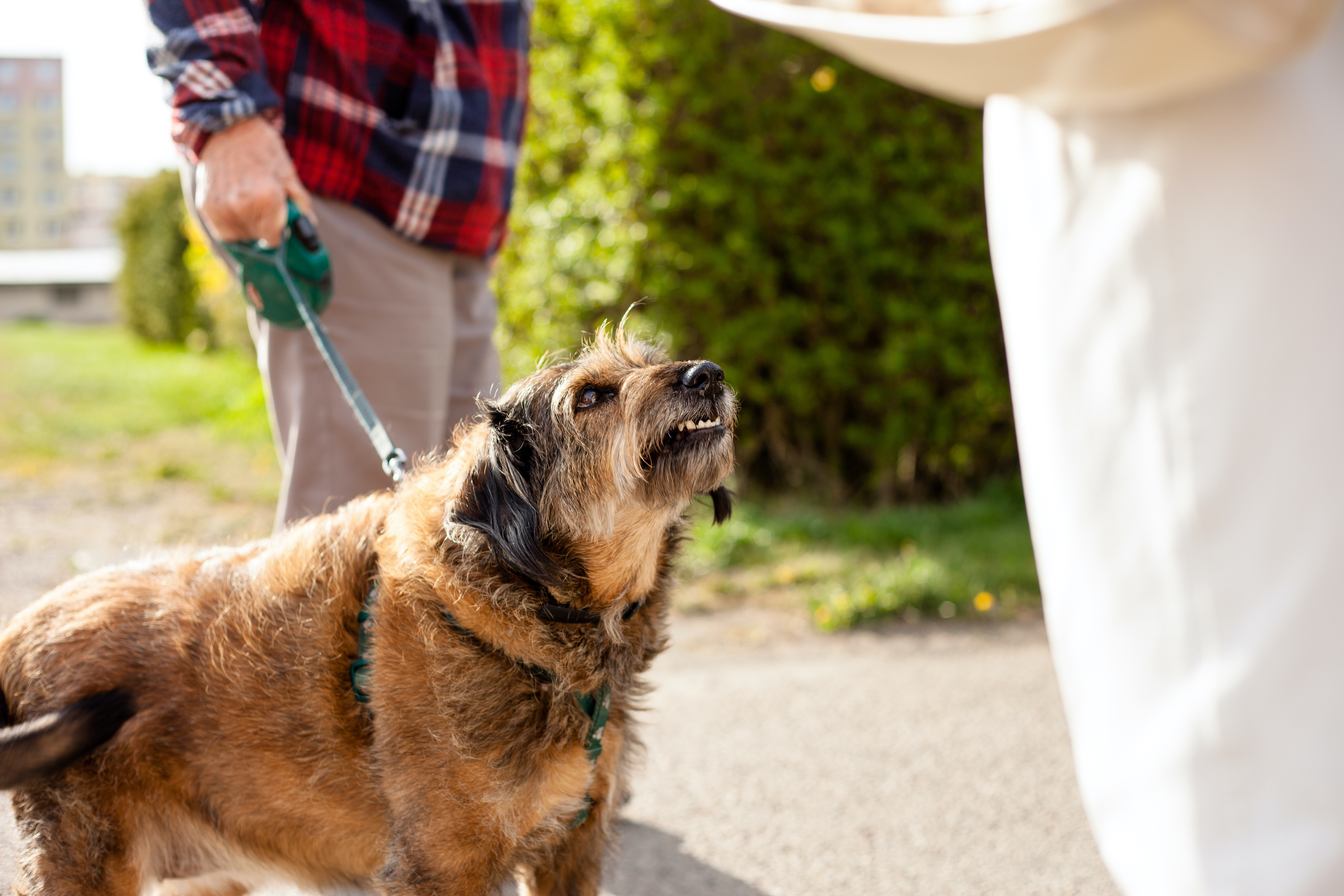
If your dog growls, stiffens, or positions their body between you and others when someone approaches, this behavior is usually protective or fear-based, not “bad attitude.” It’s your dog communicating discomfort and trying to control distance.
Understanding why it’s happening is critical—because this behavior can escalate if misunderstood or accidentally reinforced.
What This Behavior Typically Looks Like
Your dog may:
-
Growl when people pass close to you
-
Step in front of you or lean against you
-
Stare, freeze, or stiffen as someone approaches
-
Relax immediately once the person moves away
-
Be fine with people when you’re not present
👉 The key pattern: the reaction is tied to your presence.
The Most Common Reasons Dogs Do This

1. Resource Guarding (Yes—People Can Be a Resource)
Your dog may see you as something to protect.
-
Especially common in very bonded dogs
-
Often appears as growling without lunging
This is about control and insecurity, not dominance.
2. Fear or Anxiety Around Strangers
If your dog is unsure of people:
-
Standing near you increases their confidence
-
Growling keeps strangers at a safe distance
The growl is a warning, not aggression.
3. Learned Behavior
If growling ever resulted in:
-
People stepping away
-
You reassuring your dog
Your dog learned: growling works.
4. Lack of Socialization
Dogs not exposed to many people early may:
-
Feel overwhelmed by close approaches
-
Rely on you as their “safe zone”
5. Pain or Reduced Tolerance
Pain lowers patience.
-
Arthritis
-
Back or neck pain
Being startled near you can trigger a defensive response.
Is Growling a Bad Thing?
No—growling is communication.
✅ Healthy Warning
-
Controlled
-
Brief
-
No snapping
🚨 Concerning
-
Escalates to lunging
-
Happens suddenly without warning
-
Increasing frequency or intensity
Punishing growling removes the warning and increases bite risk.
What NOT to Do
❌ Don’t scold or punish
❌ Don’t force people to approach
❌ Don’t reassure with petting during growling
❌ Don’t let strangers reach over your dog
These can make the behavior worse.
What Actually Helps (Safely)
1. Create Distance Early
When someone approaches:
-
Step away calmly
-
Change direction
-
Put space between your dog and the person
Distance lowers fear.
2. Change the Emotional Response
At a safe distance:
-
Person appears → high-value treats
-
Person leaves → treats stop
Your dog learns: people near you = good things.
3. Teach a Neutral Position
Train your dog to:
-
Sit or stand beside you
-
Focus on you, not the person
Calm neutrality beats forced friendliness.
4. Stop Reinforcing Guarding
-
Don’t comfort during growling
-
Stay neutral and confident
-
Reward calm behavior instead
5. Rule Out Pain
If behavior is new or worsening, get a vet check.
When to Get Professional Help
Seek help if:
-
Growling escalates
-
There’s snapping or lunging
-
The dog guards you intensely
-
Children are involved
A qualified trainer or behaviorist can prevent escalation early.
Can This Improve?
Yes—very often.
When:
-
Fear is reduced
-
Distance is respected
-
Calm behavior is reinforced
Most dogs learn they don’t need to guard you.
Final Takeaway
When your dog growls as someone walks near you, it’s not dominance—it’s communication rooted in fear, insecurity, or learned protection. Listen to the warning, lower the stress, and guide your dog toward calm confidence.
🐾 Your dog isn’t trying to control the world—he’s asking you to help him feel safe in it.