
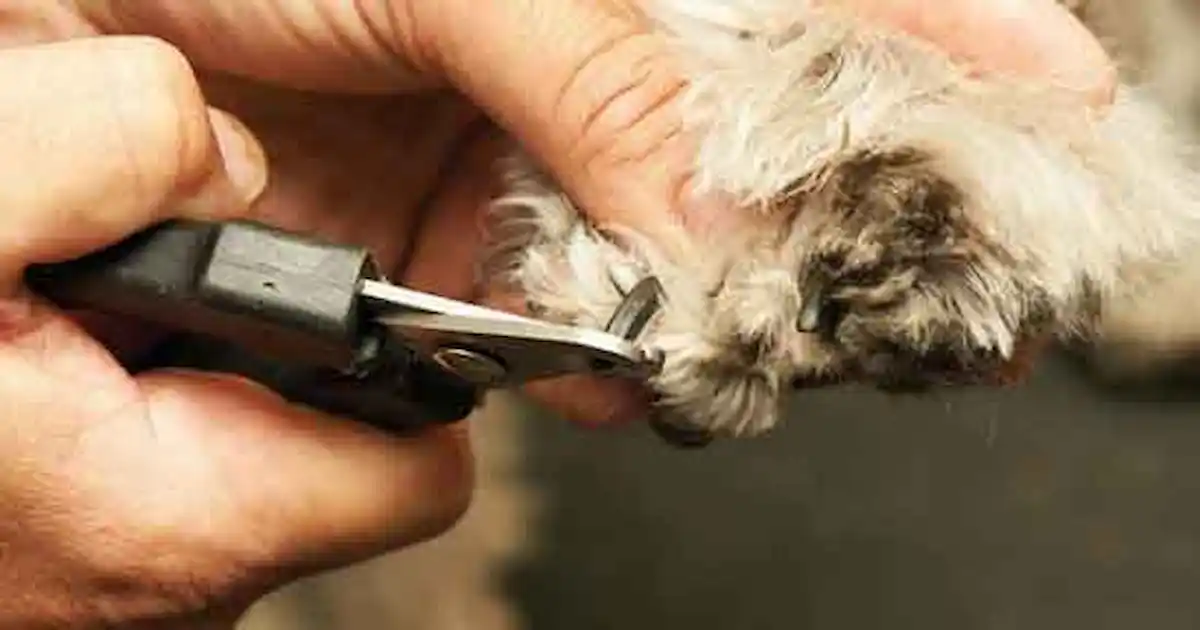
If your dog growls, snaps, pulls away, freezes, or tries to bite when you touch his paws or attempt to cut his nails, this is not stubbornness or dominance. It is almost always fear-based defensive behavior—and very common.
The good news?
👉 This behavior is understandable, predictable, and fixable with the right approach.
What Nail-Trim Aggression Usually Looks Like
Your dog may:
-
Pull paws away suddenly
-
Stiffen or freeze when tools appear
-
Growl or show teeth when restrained
-
Snap as soon as the nail clipper touches the paw
-
Be fine normally, but “turn aggressive” during grooming
👉 This is a panic response, not true aggression.
Why Dogs Become Aggressive During Nail Trimming
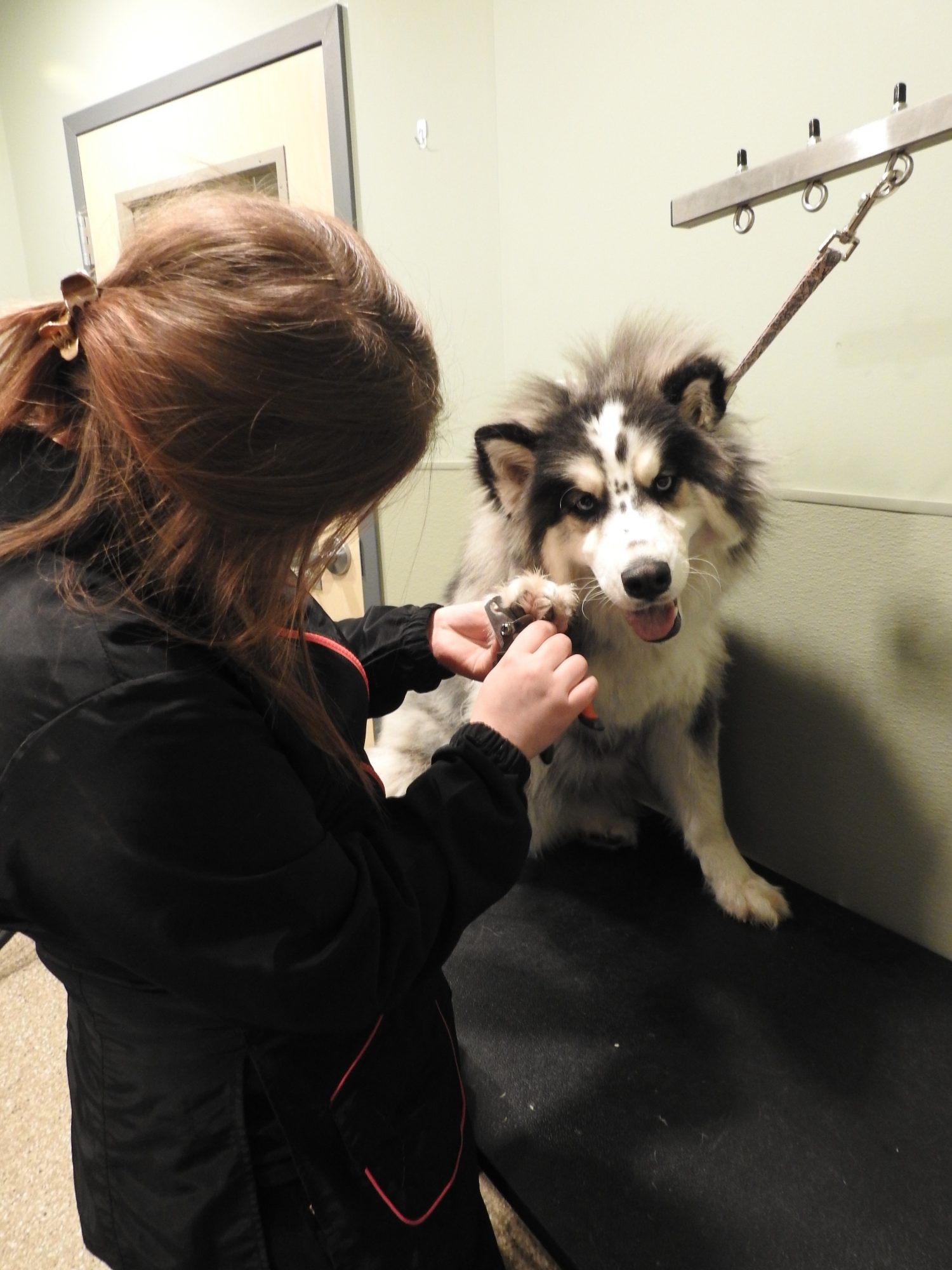
1. Past Pain or Trauma (Most Common)
One bad experience is enough.
-
Nail cut too short (quicked)
-
Bleeding + restraint
-
Panic while being held
Dogs never forget grooming pain.
2. Loss of Control
Nail trimming involves:
-
Restraint
-
Forced stillness
-
Loss of escape
For many dogs, this triggers fight-or-flight—and they choose fight.
3. Paw Sensitivity or Pain
Your dog may have:
-
Nail bed sensitivity
-
Arthritis in toes or wrists
-
Infected or cracked nails
Pain makes tolerance disappear.
4. Fear of the Tool
Dogs learn to associate:
-
Clippers
-
Dremels
-
Grooming tables
with stress and threat.
5. Handling Tolerance Was Never Built
Many dogs were never taught:
-
Paw handling = safe
-
Slow desensitization
They jump straight into full trims before being ready.
Why Punishment Makes This Worse
❌ Scolding
❌ Holding harder
❌ Forcing “to show dominance”
This confirms your dog’s fear and increases bite risk.
Growling is a warning. Removing it creates silent bites.
What You Should Do Right Now (Safety First)
:strip_icc()/GettyImages-161805618-02938d117ff1419a9961759e002574f6.jpg)
1. Stop Forcing Nail Trims
If your dog is reacting aggressively:
-
Stop immediately
-
Do not “push through”
Every forced attempt resets progress.
2. Protect Everyone
Until training improves:
-
Use a basket muzzle only if properly conditioned
-
Or delegate trims to professionals
Safety always comes first.
3. Rule Out Pain
If aggression is new or worsening:
-
Check nails, toes, joints
-
See a vet
Pain-driven aggression won’t improve with training alone.
How to Fix This Long-Term (Humane & Effective)
Step 1: Change the Emotional Association
Start far away from trimming:
-
Show clippers → treat
-
Clippers disappear → treats stop
No paw touching yet.
Step 2: Desensitize Paw Handling
Progress slowly:
-
Touch shoulder → treat
-
Touch leg → treat
-
Touch paw → treat
-
Hold paw briefly → treat
Only move forward when your dog is relaxed.
Step 3: One Nail, Then Stop
-
Trim one nail only
-
High-value reward
-
Session ends
Success builds trust.
Step 4: Use Cooperative Care
Teach your dog:
-
To offer their paw
-
That they can opt out
Dogs who have choice don’t need to fight.
Alternative Options (Totally Valid)
-
Professional groomer trained in fear-free handling
-
Veterinary nail trims
-
Scratch boards for front nails
-
Sedation only if absolutely necessary and vet-approved
Using help is not failure—it’s advocacy.
When to Get Professional Help
Seek a trainer or behaviorist if:
-
There’s snapping or biting
-
Fear is escalating
-
You feel unsafe
A few guided sessions can make a huge difference.
Final Takeaway
A dog who becomes aggressive during nail trims isn’t being bad—he’s terrified. Nail trimming combines pain memory, restraint, and vulnerability. When you replace force with patience and choice, fear fades—and cooperation grows.
🐾 Trust is the real grooming tool. Build that first, and the nails will follow.