
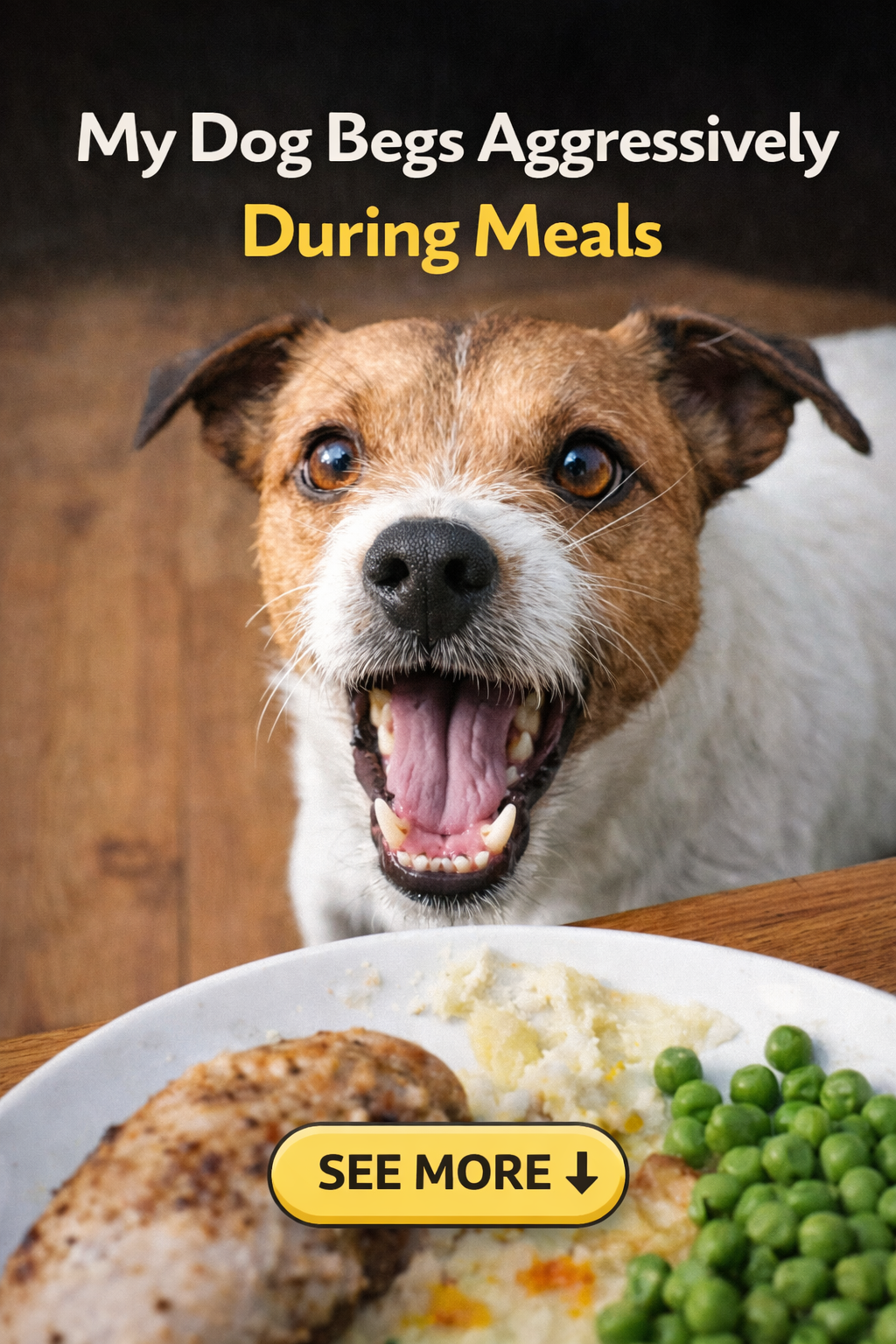
If your dog stares intensely, whines loudly, paws, growls, snaps, or crowds you while you’re eating, this goes beyond cute begging. Aggressive begging is a mix of learned behavior, frustration, and sometimes resource-guarding tendencies—and it needs a calm, structured fix, not punishment.
The good news: with consistency and safety-first steps, this behavior can be reduced quickly and reliably.

What “Aggressive Begging” Looks Like
You may see:
-
Intense staring inches from your face
-
Pawing, barking, or whining that escalates
-
Growling when ignored
-
Blocking movement or hovering
-
Snapping when food is moved
👉 This is demand behavior, not hunger.
Why Dogs Beg Aggressively
1. Begging Was Rewarded Before (Most Common)
Even one bite from the table teaches:
“Push harder = food appears.”
Dogs repeat what works.
2. Frustration + Impulse Control Issues
Your dog wants food but can’t access it.
This frustration can turn:
-
Vocal
-
Physical
-
Pushy
Especially common in young or high-arousal dogs.
3. Resource Guarding Toward Humans
If your dog:
-
Growls when food is withheld
-
Freezes or stiffens
-
Snaps when you move food
This may be early-stage guarding, which must be handled carefully.
4. Inconsistent Rules
Allowed with some people, not others = confusion.
Confusion increases intensity.
5. Anxiety or Hyper-Focus on Food
Some dogs self-regulate poorly around food, especially if:
-
Under-stimulated
-
Fed unpredictably
-
Previously food-insecure
Why You Should Address This Immediately
🚨 Aggressive begging can escalate to:
-
Snapping or biting
-
Guarding behaviors spreading
-
Unsafe situations with kids or guests
Early structure prevents serious problems.
What NOT to Do
❌ Don’t yell or push your dog away
❌ Don’t feed to “keep the peace”
❌ Don’t stare back or argue
❌ Don’t punish growling
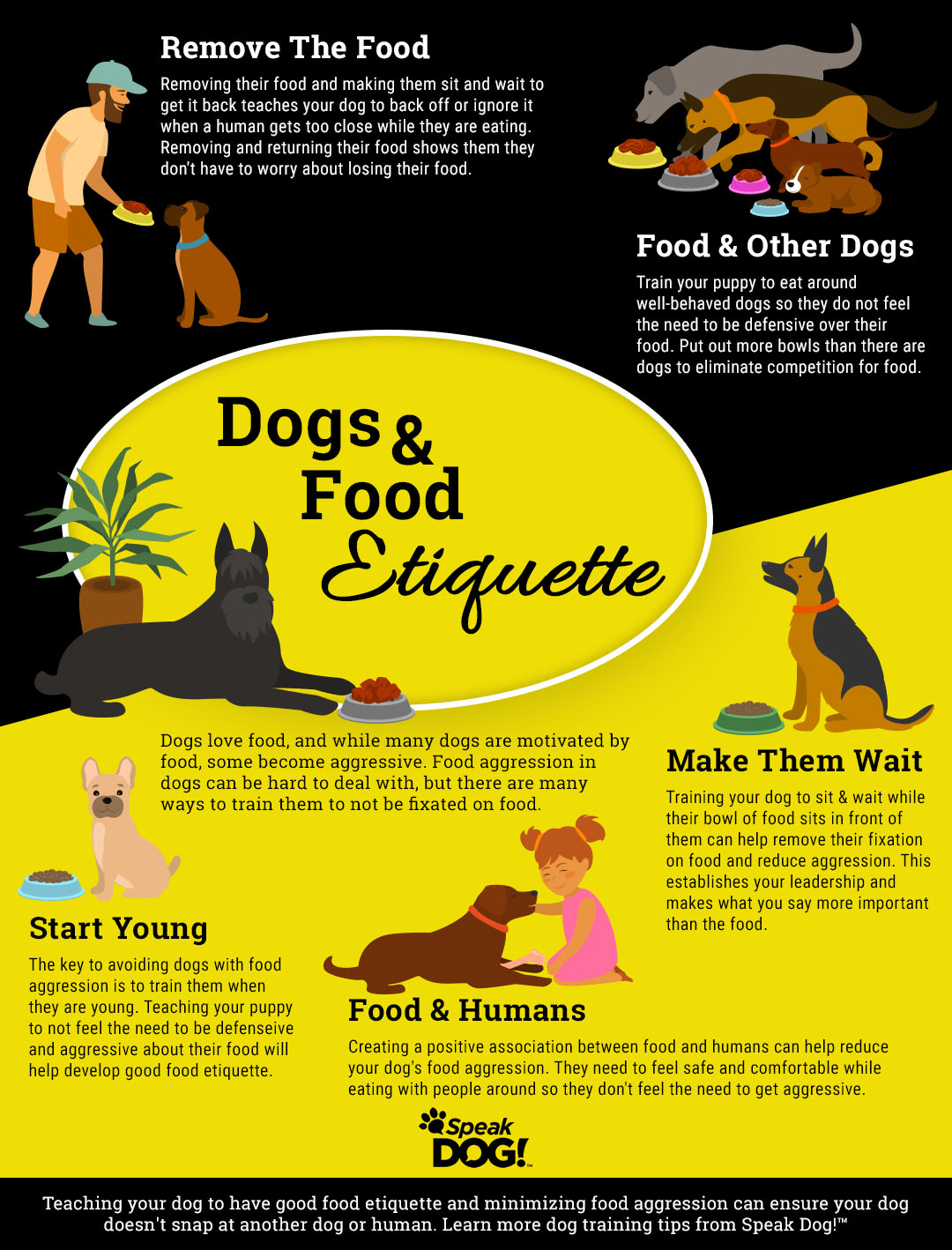
Punishment suppresses warnings and increases bite risk.
Immediate Safety & Management Steps
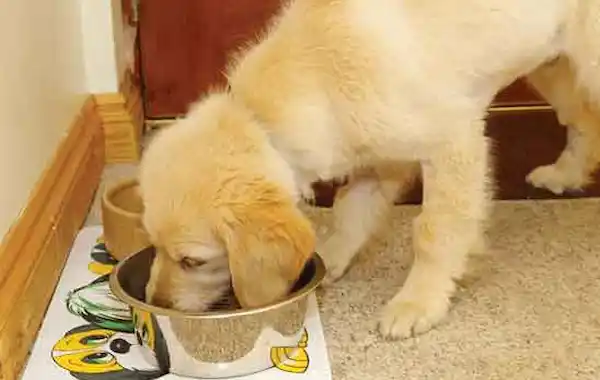
1. Remove Access During Meals
-
Use baby gates
-
Leash indoors temporarily
-
Feed your dog before you eat
No access = no rehearsal.
2. Create a “Place” or Mat Routine
Before meals:
-
Send your dog to a bed or mat
-
Reward staying there
-
Release only after your meal ends
Calm behavior earns freedom.
3. Zero Table Food (No Exceptions)
Aggressive begging cannot coexist with table feeding.
Training to Reduce Aggressive Begging
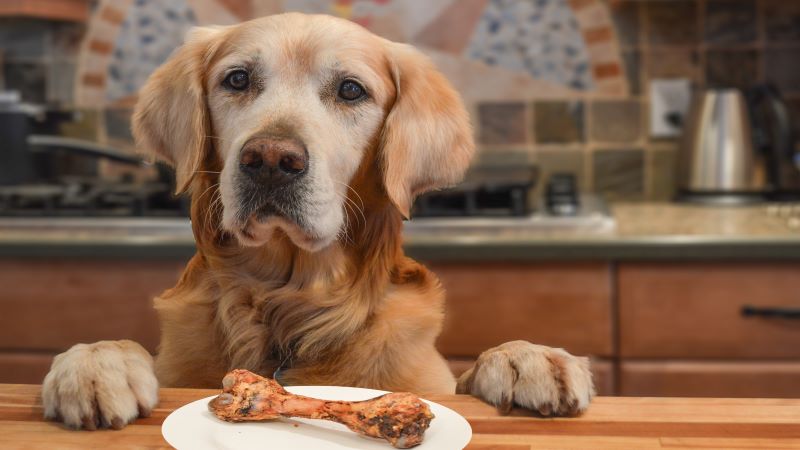
1. Reward Calm, Not Demand
-
Treat only when your dog is quiet and relaxed
-
Ignore all demanding behaviors
Silence and distance earn rewards—not pressure.
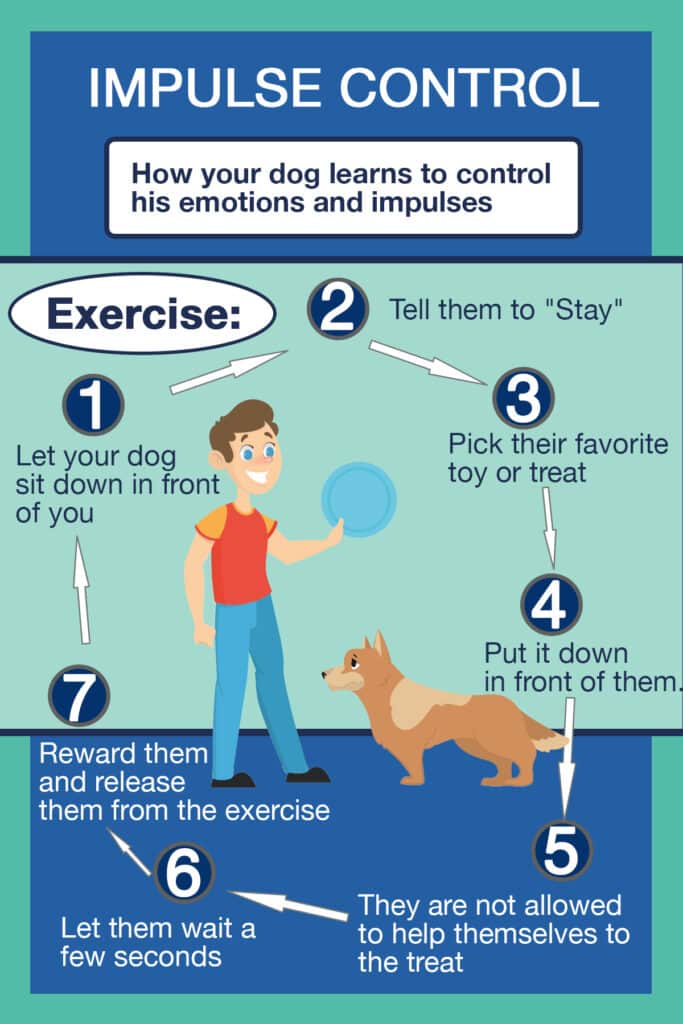
2. Teach Impulse Control Daily
Practice:
-
“Leave it”
-
“Wait”
-
“Settle”
Food impulse skills generalize to mealtimes.
3. Use Predictable Structure
Dogs relax when rules are clear:
-
Same feeding times
-
Same meal routine
-
Same boundaries
Predictability lowers anxiety.
When to Get Professional Help
📞 Seek a trainer or behaviorist if:
-
Growling or snapping continues
-
Your dog guards food from you
-
You feel unsafe
Early guidance prevents escalation.
Can This Be Fixed?
Yes—very often.
With:
-
Zero reinforcement of begging
-
Clear physical boundaries
-
Calm, consistent training
Most dogs improve noticeably within 1–2 weeks.
Final Takeaway
Aggressive begging isn’t about hunger—it’s about learned pressure and poor impulse control. When you remove access, stop the payoff, and reward calm alternatives, the behavior fades.
🐾 Food should create calm—not conflict. Structure brings peace to the table.