
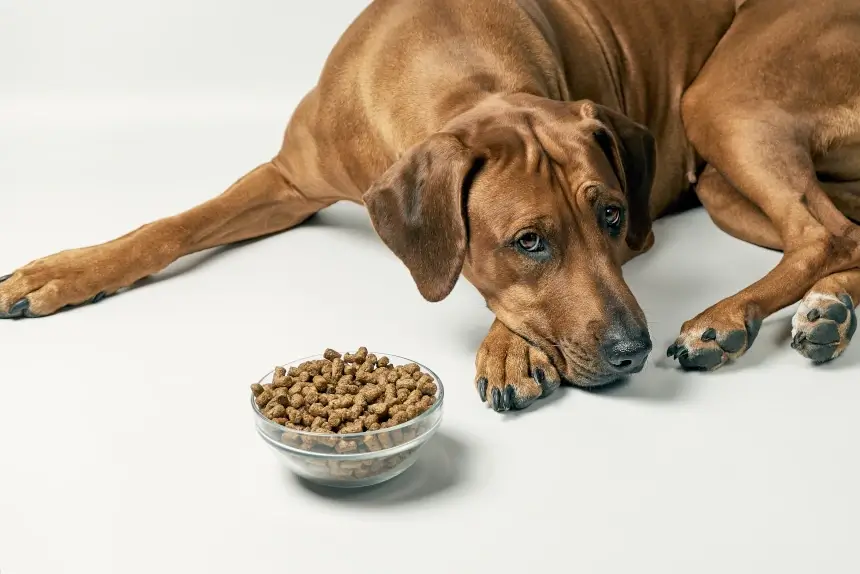
If your dog suddenly refuses treats they used to love, it can feel alarming—but it’s not always an emergency. Treat refusal can range from temporary and harmless to a sign of pain, stress, or illness, depending on what else has changed.
Here’s how to tell when it’s okay to monitor and when you should call the vet.
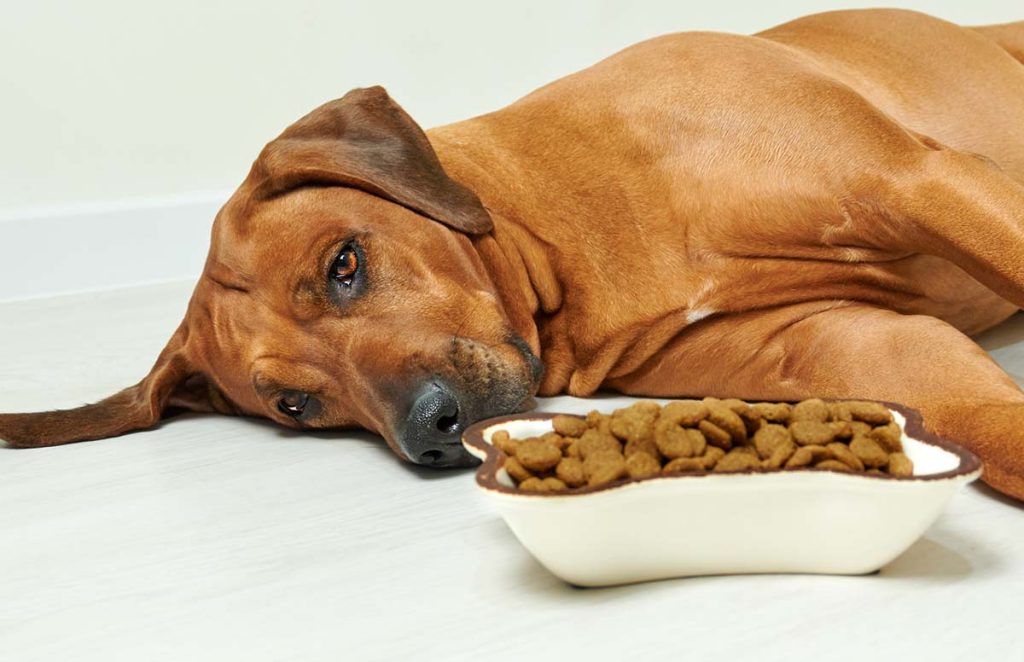
What “Stopped Eating Treats” Looks Like
You might see:
-
Sniffing treats, then walking away
-
Taking treats gently and dropping them
-
Ignoring even high-value treats (chicken, cheese)
-
Still eating meals (or not)
👉 The biggest clue is whether regular meals are also affected.
Common (Often Not Serious) Reasons
1. Stress or Environmental Change
Dogs may refuse treats when:
-
At the vet
-
Around strangers
-
In new places
-
During routine changes
Stress suppresses appetite temporarily.
2. Overfed or Recently Full
-
Too many treats earlier
-
Larger meals than usual
A full dog may skip snacks without concern.
3. Treat Burnout
If the same treats are used constantly, some dogs simply lose interest—especially smart or picky ones.
4. Training Context Pressure
Some dogs won’t take treats when:
-
Overstimulated
-
Confused
-
Asked to work too long
This doesn’t mean they’re sick—just overloaded.
When Treat Refusal Can Signal a Problem
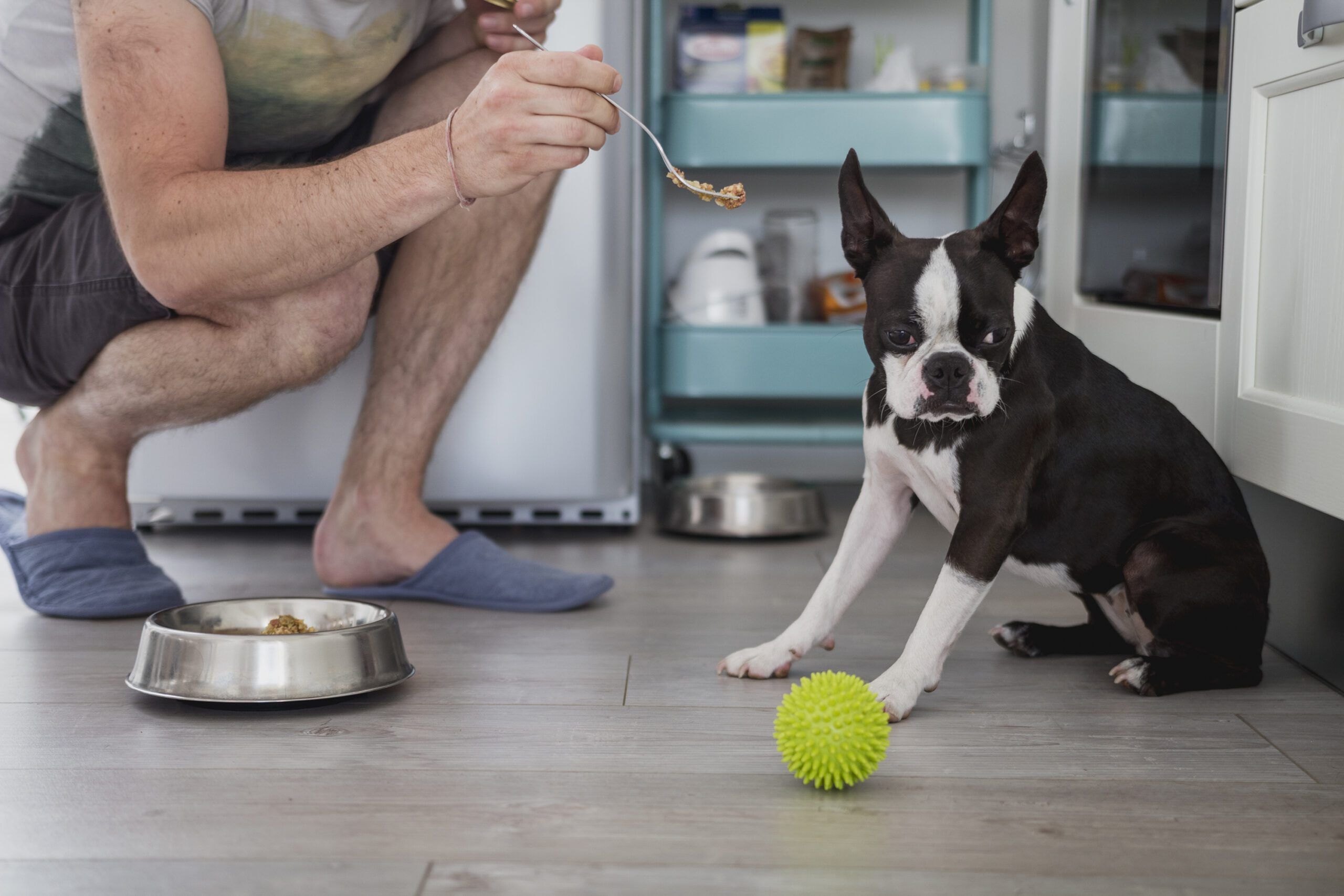
5. Dental or Mouth Pain (Very Common)
Watch for:
-
Dropping treats
-
Chewing on one side
-
Bad breath
-
Pawing at the mouth
Hard treats are often refused first.
6. Nausea or Digestive Upset
Signs include:
-
Lip licking
-
Swallowing repeatedly
-
Grass eating
-
Skipping meals
Dogs don’t eat when they feel queasy.
7. General Illness or Pain
Treat refusal + any of these is concerning:
-
Lethargy
-
Hiding
-
Shaking
-
Appetite loss at meals
8. Medication Side Effects
Some meds reduce appetite or cause nausea.
Quick At-Home Check
Ask yourself:
-
❓ Is my dog still eating normal meals?
-
❓ Is energy level normal?
-
❓ Any vomiting, diarrhea, or pain signs?
Treat refusal alone = usually monitor
Treat + meal refusal or lethargy = vet call
When to Call the Vet
📞 Schedule a visit if:
-
Treat refusal lasts more than 24–48 hours
-
Your dog also skips meals
-
There’s mouth pain, drooling, or odor
-
Behavior seems “off”
🚨 Urgent if:
-
Your dog won’t eat anything
-
There’s vomiting, weakness, or collapse
-
Gums look pale or breathing is abnormal
What You Can Do Right Now
-
Offer soft, smelly treats (warm them slightly)
-
Reduce pressure—don’t force eating
-
Check teeth and gums gently
-
Monitor meals, water intake, and energy
-
Keep a short symptom log
❌ Don’t give human meds or appetite stimulants without vet advice.
Final Takeaway
A dog who stops eating treats isn’t automatically sick—but a sudden change in food motivation is information. If meals, energy, or behavior also change, take it seriously and get guidance early.
🐾 Treats are optional. Appetite changes are not. Watch the whole dog, not just the snack.