
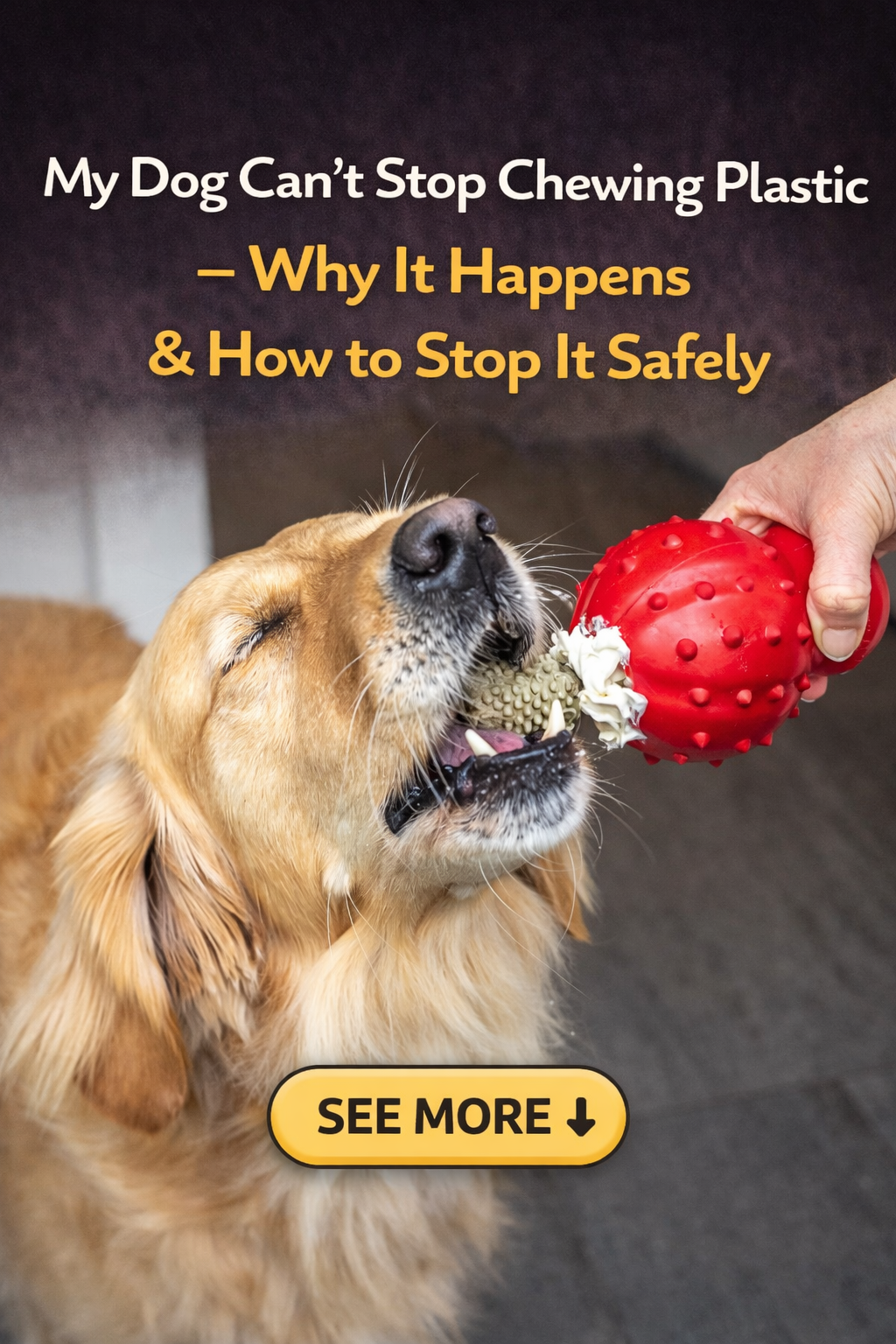
If your dog is obsessed with chewing plastic—bottles, bags, wrappers, containers—this isn’t just annoying. It can be dangerous. Plastic chewing is common, but it always has a reason, and with the right plan you can stop it without punishment.
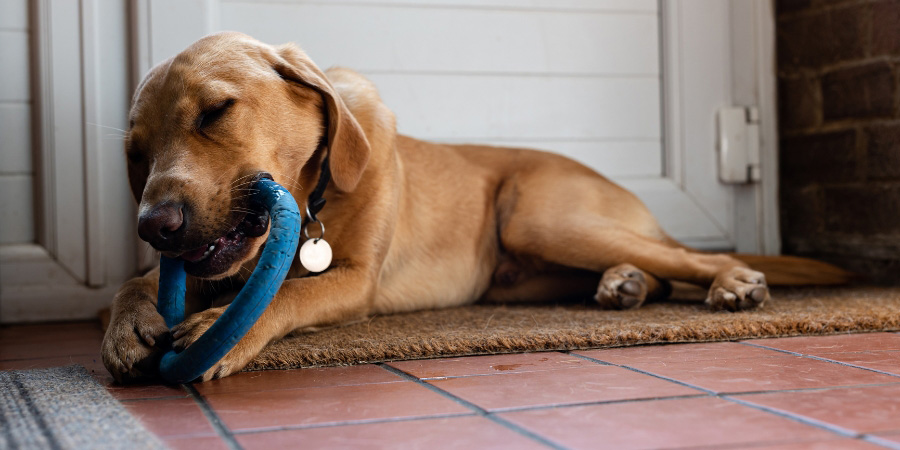
Why Dogs Are Drawn to Plastic
1. Irresistible Sensory Feedback (Most Common)
Plastic:
-
Crinkles and snaps
-
Is easy to grab
-
Feels satisfying to chew
For many dogs, plastic delivers instant sensory reward.
2. Food Smells You Can’t Detect
Plastic often carries:
-
Fat and food residue
-
Sweet or salty smells
Even “clean” plastic can smell like food to a dog.
3. Teething or Oral Needs
Puppies and young dogs chew plastic because:
-
Gums itch
-
Plastic is softer than furniture
-
It relieves pressure
4. Boredom or Under-Stimulation
When mental needs aren’t met, dogs self-entertain.
Plastic is:
-
Easy to find
-
Novel
-
Interactive
5. Anxiety or Self-Soothing
Some dogs chew plastic when:
-
Left alone
-
Overstimulated
-
Dealing with routine changes
Chewing releases calming chemicals in the brain.
6. Learned Habit
If plastic chewing:
-
Went unnoticed
-
Was never interrupted
…it became a default behavior.
Why Plastic Chewing Is Dangerous
🚨 Risks include:
-
Choking
-
Intestinal blockage
-
Sharp edges causing mouth or gut injury
-
Emergency surgery
Plastic is not a safe chew—ever.
What NOT to Do
❌ Don’t yell or punish
❌ Don’t chase your dog
❌ Don’t let them “finish” chewing
❌ Don’t assume they’ll grow out of it
Punishment increases stress → more chewing.
How to Stop Plastic Chewing (Step by Step)
1. Remove Access Immediately (Critical)
-
Store plastic in cabinets or bins with lids
-
Use baby locks if needed
-
Pick up plastic before your dog does
No access = no practice.
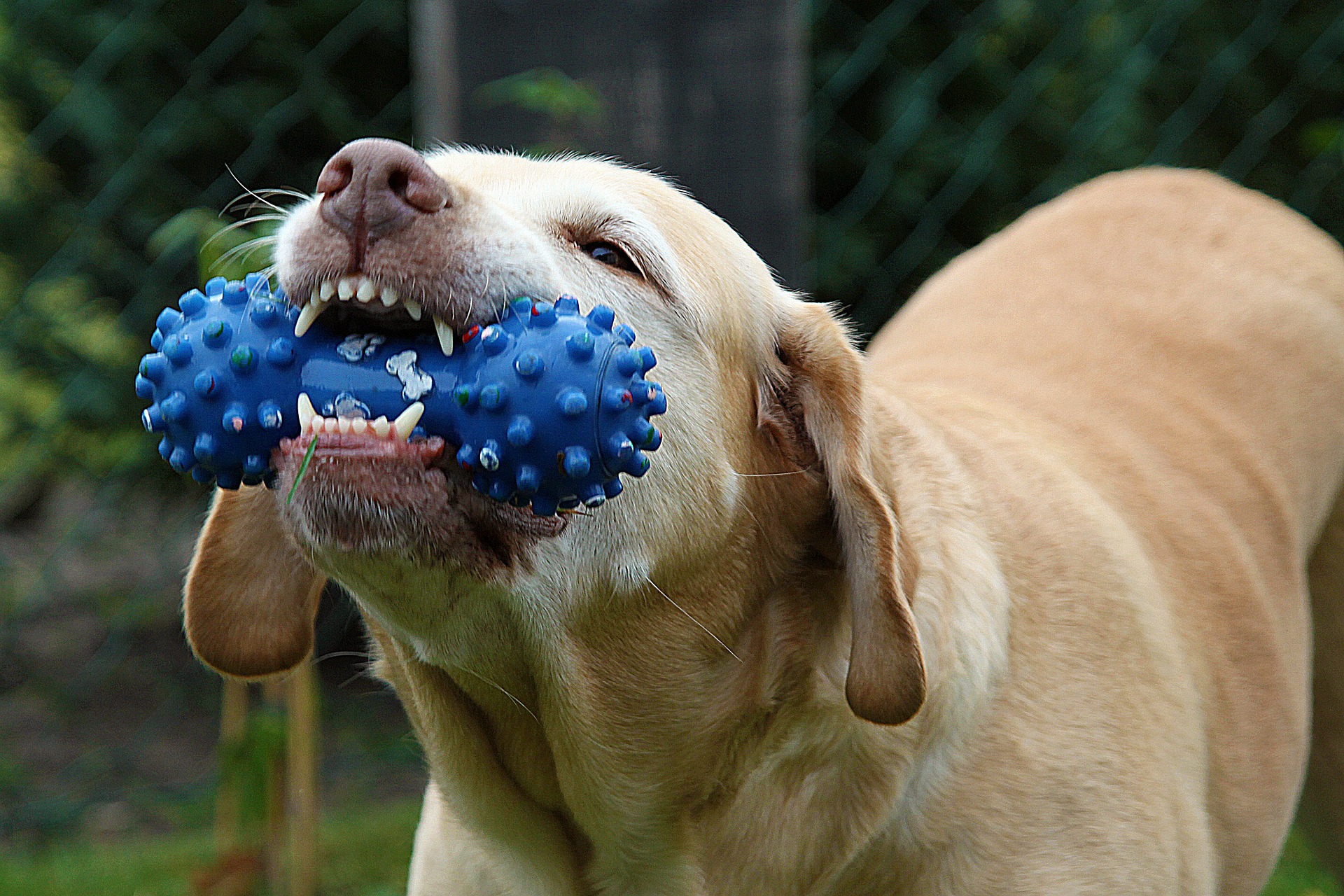
2. Replace With Better Chews
Match what plastic provides:
-
Firm rubber chews
-
Nylon chews (size-appropriate)
-
Frozen rubber toys (great for teething)
Place legal chews where plastic used to be found.
3. Redirect Calmly
If you catch your dog with plastic:
-
Say nothing dramatic
-
Offer a chew toy
-
Praise when they switch
Timing matters—redirect early.
4. Increase Mental Enrichment
A tired brain chews less:
-
Sniff walks
-
Puzzle feeders
-
Training games
-
Food-stuffed toys
Aim for daily mental work, not just exercise.
5. Supervise or Contain
When you can’t watch:
-
Crate or playpen with safe chews
-
Short durations only
Freedom comes after reliability.
6. Address Anxiety If Present
If plastic chewing happens only when alone:
-
Provide calm pre-departure routines
-
Leave safe chews
-
Consider trainer support
This may be anxiety, not curiosity.
Warning Signs of Plastic Ingestion
🚨 Seek immediate vet care if you see:
-
Vomiting or gagging
-
Refusal to eat
-
Abdominal pain or bloating
-
Lethargy
-
No bowel movements
Do not induce vomiting unless directed by a vet.
Will This Behavior Stop?
Yes—very often.
When:
-
Plastic is unavailable
-
Better chews are provided
-
Mental needs are met
Most dogs lose interest within 1–2 weeks.
Final Takeaway
Dogs chew plastic because it’s rewarding—not because they’re “bad.” Remove access, replace the sensation with safe alternatives, and meet your dog’s mental needs. That combination stops the habit—and keeps your dog safe.
🐾 If it crackles and smells interesting, dogs will try it. Make plastic boring and chews irresistible.