
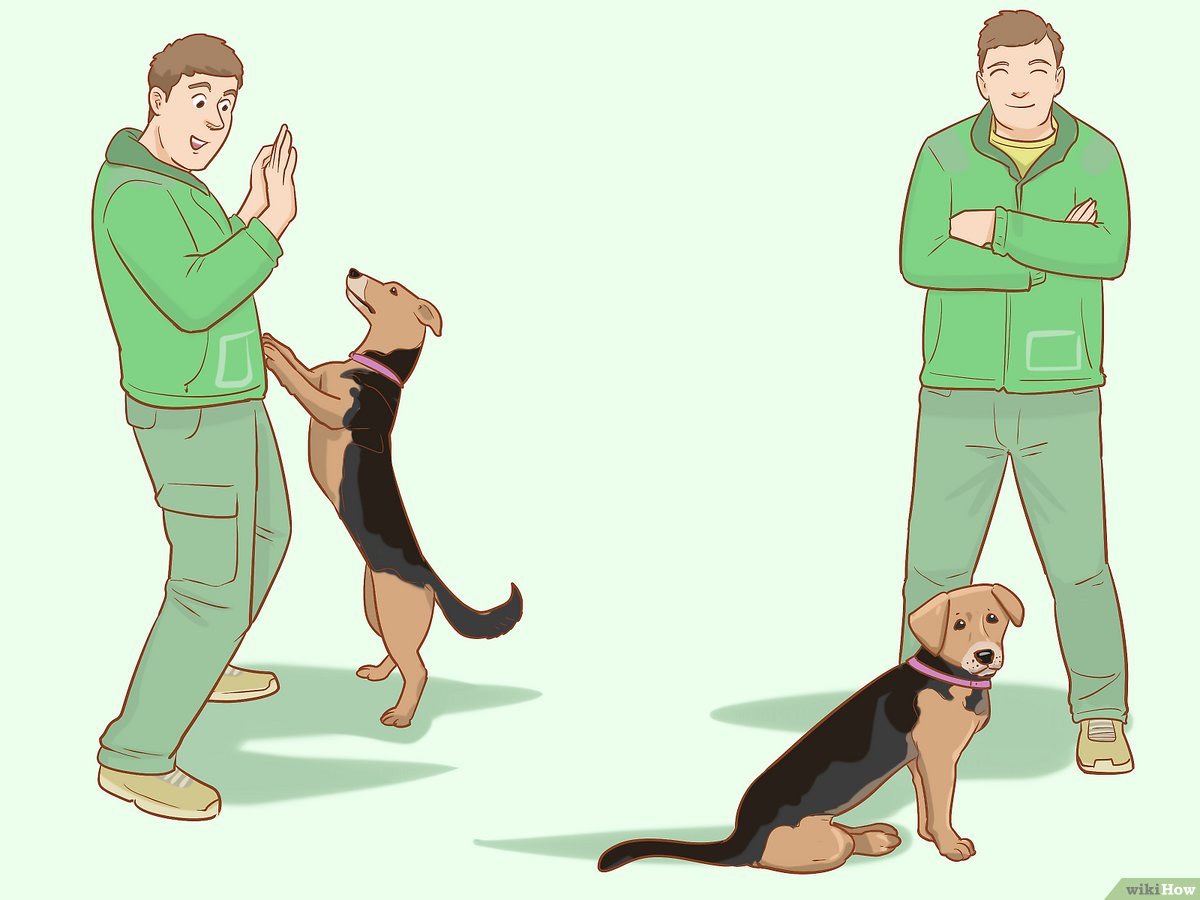
If your dog is perfectly trained when it’s quiet but suddenly ignores every command the moment guests arrive, this is one of the most common—and fixable—training problems. The short answer:
👉 Your dog isn’t disobedient. They’re over-aroused.
Excitement, stress, and distraction temporarily shut down a dog’s ability to think and respond.
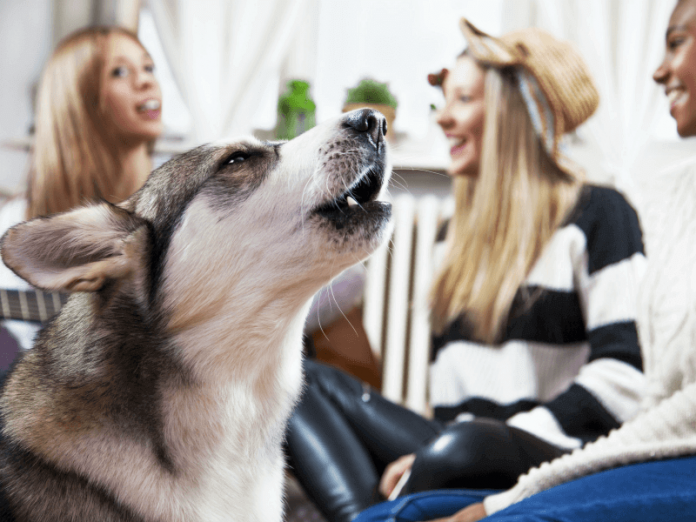
What This Looks Like
You might notice:
-
Ignoring known commands (“sit,” “place,” “stay”)
-
Jumping, barking, pacing
-
Zooming or whining
-
Breaking commands they normally hold
👉 This is loss of impulse control, not lack of training.
Why Dogs Stop Obeying Around Guests
1. Excitement Overload (Most Common)
Guests bring:
-
New smells
-
New voices
-
Movement and eye contact
Your dog’s brain flips into social excitement mode, and thinking skills drop.
2. Commands Were Never Trained With Distractions
Dogs don’t automatically generalize.
“Sit”:
-
Alone at home ≠
-
Sit with people entering, talking, moving
Your dog didn’t forget—they were never taught this version.
3. Emotional Conflict
Some dogs feel:
-
Excited and unsure
-
Curious and anxious
This emotional mix blocks obedience.
4. Accidental Reinforcement
If guests:
-
Talk to your dog
-
Pet them while they’re jumping
-
Laugh or react
Your dog learns:
“Ignoring commands works when guests are here.”
What NOT to Do
❌ Don’t repeat commands louder
❌ Don’t scold or leash-yank
❌ Don’t expect calm without practice
❌ Don’t introduce guests as a “test”
Pressure increases arousal—and worse behavior.
How to Fix It (Step by Step)
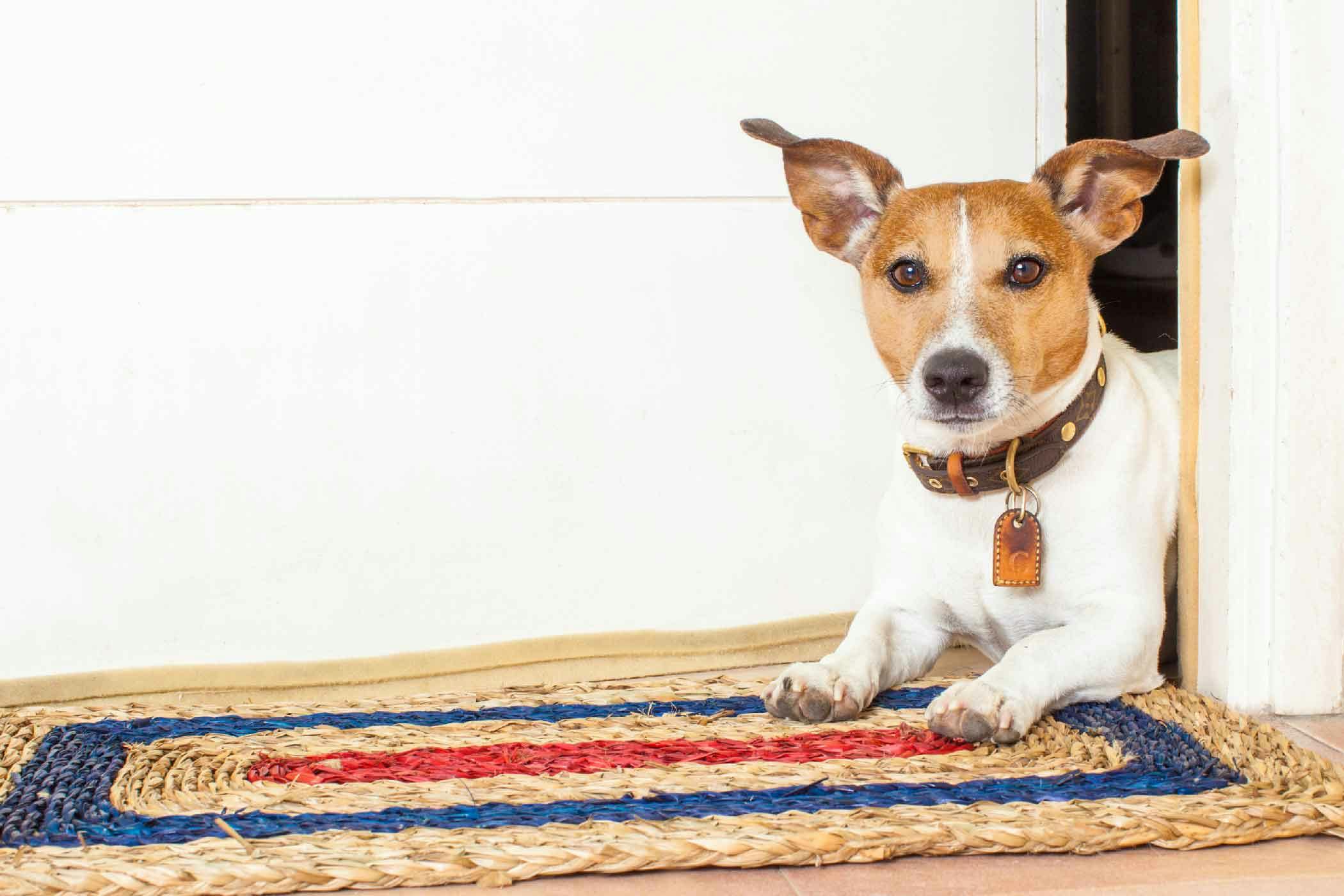
1. Manage Before Training (Critical)
Until skills improve:
-
Use baby gates or leash
-
Start guests with dog behind a boundary
-
Prevent rehearsal of chaos
Management keeps training intact.
2. Lower Expectations Around Guests
Ask for:
-
Easy behaviors first (sit, touch, eye contact)
-
Not long stays or perfect heel
Success builds confidence.
3. Teach “Place” or Mat as a Default
Before guests arrive:
-
Send dog to mat
-
Reward calm staying
-
Release only when settled
The mat becomes a safe job, not punishment.
4. Train With Fake Guests
Practice with:
-
Family members
-
Doorbell sounds
-
Controlled entrances
Start boring → build realism slowly.
5. Reward Calm, Ignore Excitement
-
Treat when your dog is quiet and grounded
-
Guests ignore dog until calm
-
Calm gets access—not excitement
6. Short, Successful Reps
-
10–30 seconds of success
-
Reset often
-
End on a win
Impulse control grows in small doses.
How Long Until Improvement?
With consistent practice:
-
Improvement in 1–2 weeks
-
Reliable calm greetings in 4–6 weeks
-
Strong habits in 2–3 months
When to Get Help
📞 Consider a trainer if:
-
Jumping or mouthing escalates
-
Your dog becomes frantic or fearful
-
You feel unsafe with guests
Professional help speeds progress dramatically.
Final Takeaway
Your dog isn’t choosing to ignore you—their brain is overloaded. When you reduce excitement, train with distractions, and reward calm, obedience returns even when guests walk through the door.
🐾 Dogs don’t fail around guests—training just hasn’t met reality yet.