
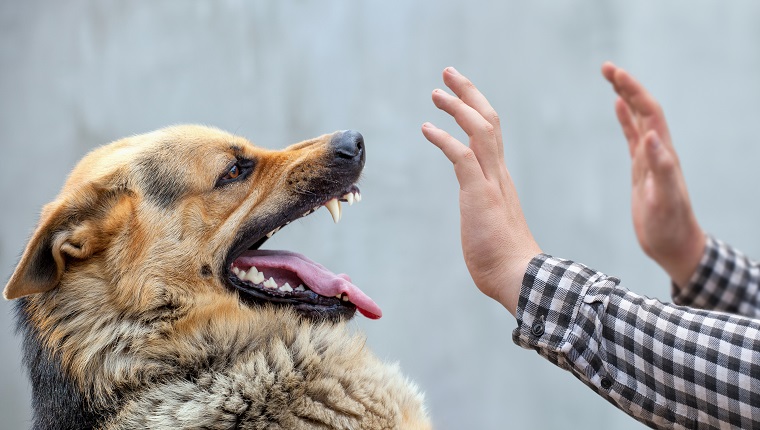
If your dog rushes people, jumps, barks, body-slams, mouths hands, or growls during greetings, this is more than “bad manners.” Aggressive greetings usually come from over-arousal, poor impulse control, fear, or mixed emotions—and they’re very fixable with the right plan.
Below is a clear, safety-first way to understand why it’s happening and how to stop it.
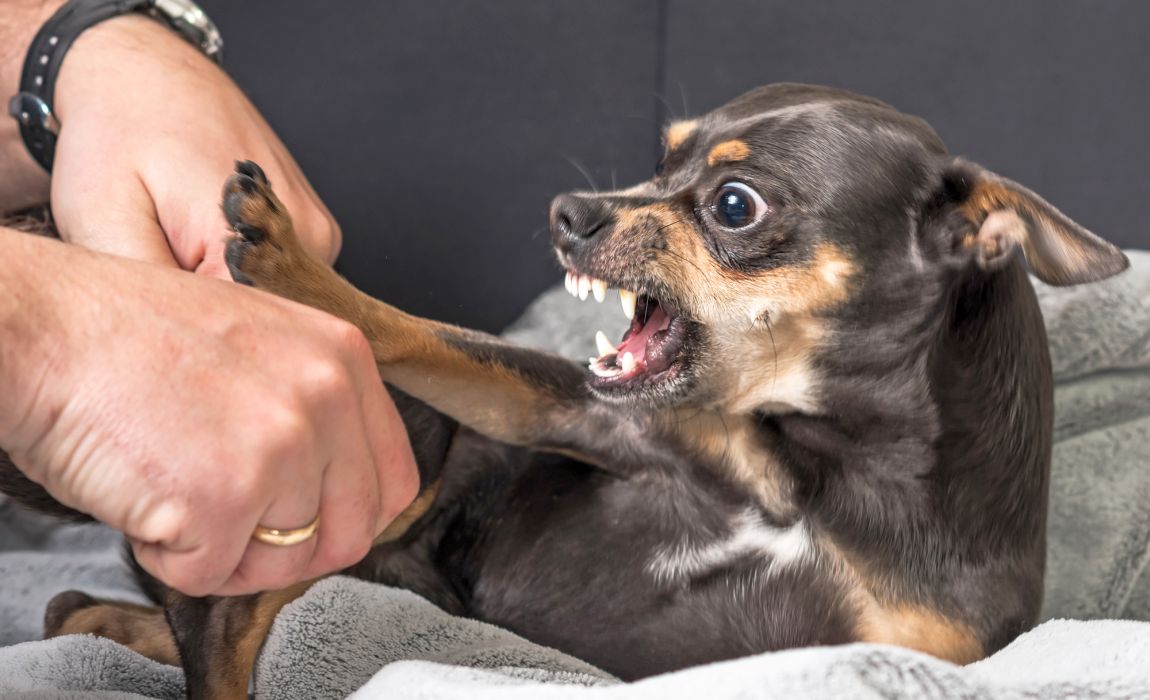
What “Aggressive Greeting” Can Look Like
-
Charging the door or visitors
-
Jumping with force
-
Barking in faces
-
Mouthing hands/clothes
-
Growling when restrained
-
Ignoring known commands during greetings
👉 The common thread: emotions spike, thinking drops.
Why Dogs Greet Too Aggressively
1. Over-Excitement (Most Common)
New people = smells, voices, movement. Many dogs tip past excitement into loss of control.
2. Fear or Uncertainty
Some dogs look “pushy” but are actually nervous:
-
Stiff body
-
Whale eye
-
Growl after approach
They rush in to control space, not to be friendly.
3. Conflicting Signals
Your dog wants interaction and space at the same time. This internal conflict can explode at the doorway.
4. Accidental Reinforcement
If people:
-
Talk to the dog
-
Touch them while jumping
-
Laugh or react
Your dog learns: big energy gets attention.
5. Commands Not Proofed With People
“Sit” at home ≠ “sit while strangers enter.” The skill wasn’t taught at this difficulty level.
Why This Needs Addressing
🚨 Risks include:
-
Knocked-over guests
-
Nips or bites
-
Escalating guarding or fear
-
Liability issues
Early structure prevents serious outcomes.
What NOT to Do
❌ Don’t yell or knee the dog
❌ Don’t restrain tightly at the door (raises arousal)
❌ Don’t force greetings
❌ Don’t test your dog with surprise visitors
These increase stress and intensity.
Immediate Safety & Management

1. Control Access
-
Use baby gates or a leash
-
Keep your dog off the door when people enter
-
Prevent rehearsal of charging
2. Separate Entry From Greeting
Let guests enter first, then greet later when your dog is calmer.
3. Pre-Load Calm
Before the door opens:
-
Short sniff walk
-
“Place” on a mat
-
Reward calm breathing
Training That Works (Step by Step)


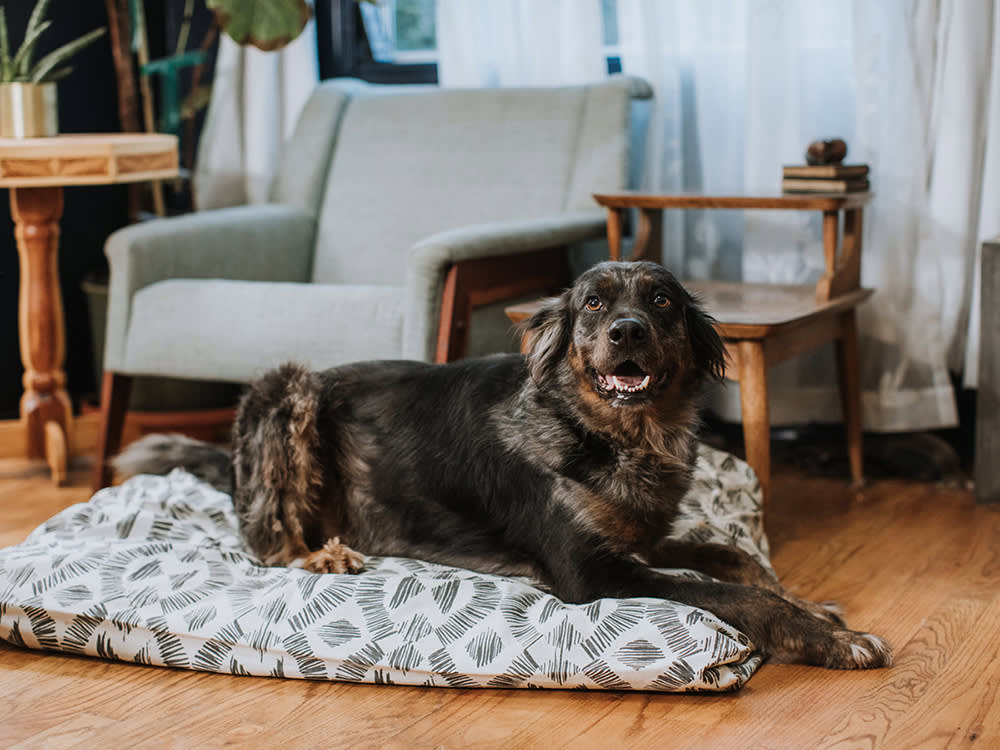
1. Teach a Default “Place” or Mat
-
Practice daily without guests
-
Pay heavily for staying calm
-
Release only when settled
This gives your dog a job during greetings.
2. Reward Calm, Not Contact
-
Treat for four paws on the floor
-
No petting or talking until calm
-
Calm earns access—excitement delays it
3. Use Distance to Lower Arousal
Start greetings:
-
6–10 feet away
-
Dog leashed
-
One calm guest at a time
Distance = control.
4. Coach Your Guests
Ask them to:
-
Ignore the dog at first
-
Avoid eye contact
-
Turn sideways
-
Pet only when calm
Consistency matters.
5. Build Up Slowly
Progression:
-
Fake door knocks
-
Familiar people
-
Quiet guests
-
Real visitors
-
Busier situations
Skipping steps causes setbacks.
When to Get Professional Help
📞 Contact a qualified trainer/behaviorist if:
-
Growling or snapping occurs
-
Fear signs are present
-
You feel unsafe managing greetings
Early guidance dramatically improves outcomes.
How Long Until Improvement?
With daily practice:
-
Fewer explosions in 1–2 weeks
-
Controlled greetings in 4–6 weeks
-
Reliable habits in 2–3 months
Final Takeaway
Aggressive greetings aren’t rudeness—they’re overloaded emotions. When you manage the doorway, reward calm alternatives, and train with real-life distractions, your dog learns that calm opens doors—literally.
🐾 Excitement doesn’t need suppression; it needs structure.