
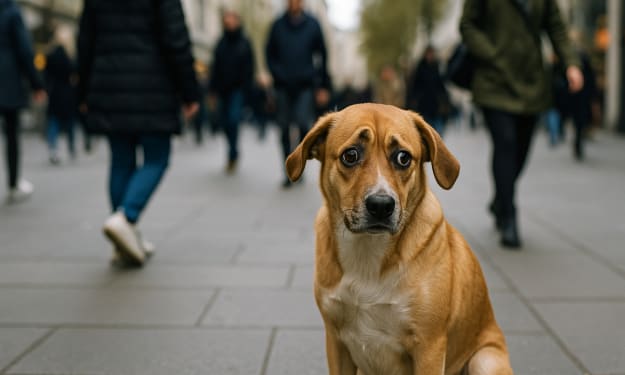
If your dog shuts down, pulls away, freezes, pants, whines, or tries to escape in busy places like parks, markets, sidewalks, or events, this isn’t disobedience—it’s overwhelm. Crowds flood dogs with noise, movement, smells, and social pressure, and many dogs simply don’t have the coping skills yet.
The good news: with management, gradual training, and confidence-building, most dogs improve significantly.
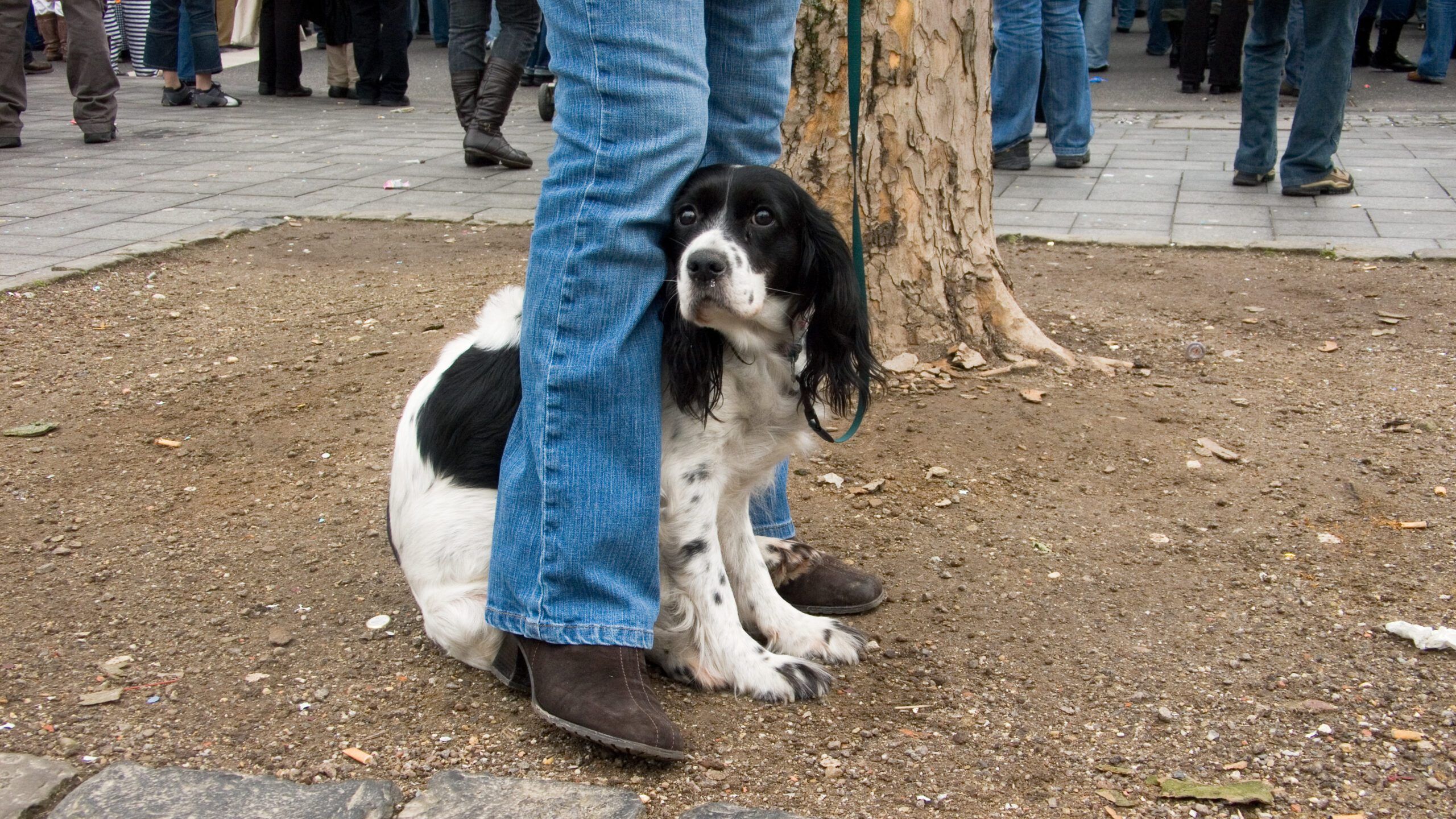
Signs Your Dog Is Overwhelmed
You may notice:
-
Tail tucked or low, ears back
-
Panting when it’s not hot
-
Yawning, lip licking, whale eye
-
Freezing or refusing to move
-
Pulling hard to leave
-
Ignoring treats they normally love
👉 When a dog stops taking treats, stress is already high.
Why Crowds Are Hard for Dogs
1. Sensory Overload (Most Common)
Crowded environments bombard dogs with:
-
Fast-moving people
-
Unpredictable sounds
-
Tight spaces
-
Strong smells
Dogs don’t filter stimulation the way humans do.
2. Lack of Early Exposure
Dogs not gradually exposed to crowds during development often find them confusing or threatening later on.
3. Fear or Uncertainty
Some dogs worry about:
-
Being touched by strangers
-
Sudden movement
-
Loss of escape routes
Fear doesn’t always look dramatic—sometimes it looks quiet.
4. Genetic Sensitivity
Some dogs are simply more sensitive by nature. This isn’t a flaw—it’s temperament.
5. Handler Tension
Dogs read us closely. Tight leashes, rushed movement, or anxious energy can increase their stress.
What NOT to Do
❌ Don’t force your dog to “push through”
❌ Don’t drag or carry them into crowds
❌ Don’t scold fear
❌ Don’t flood them with intense situations
Forcing exposure often makes fear worse, not better.
How to Help Your Dog (Step by Step)
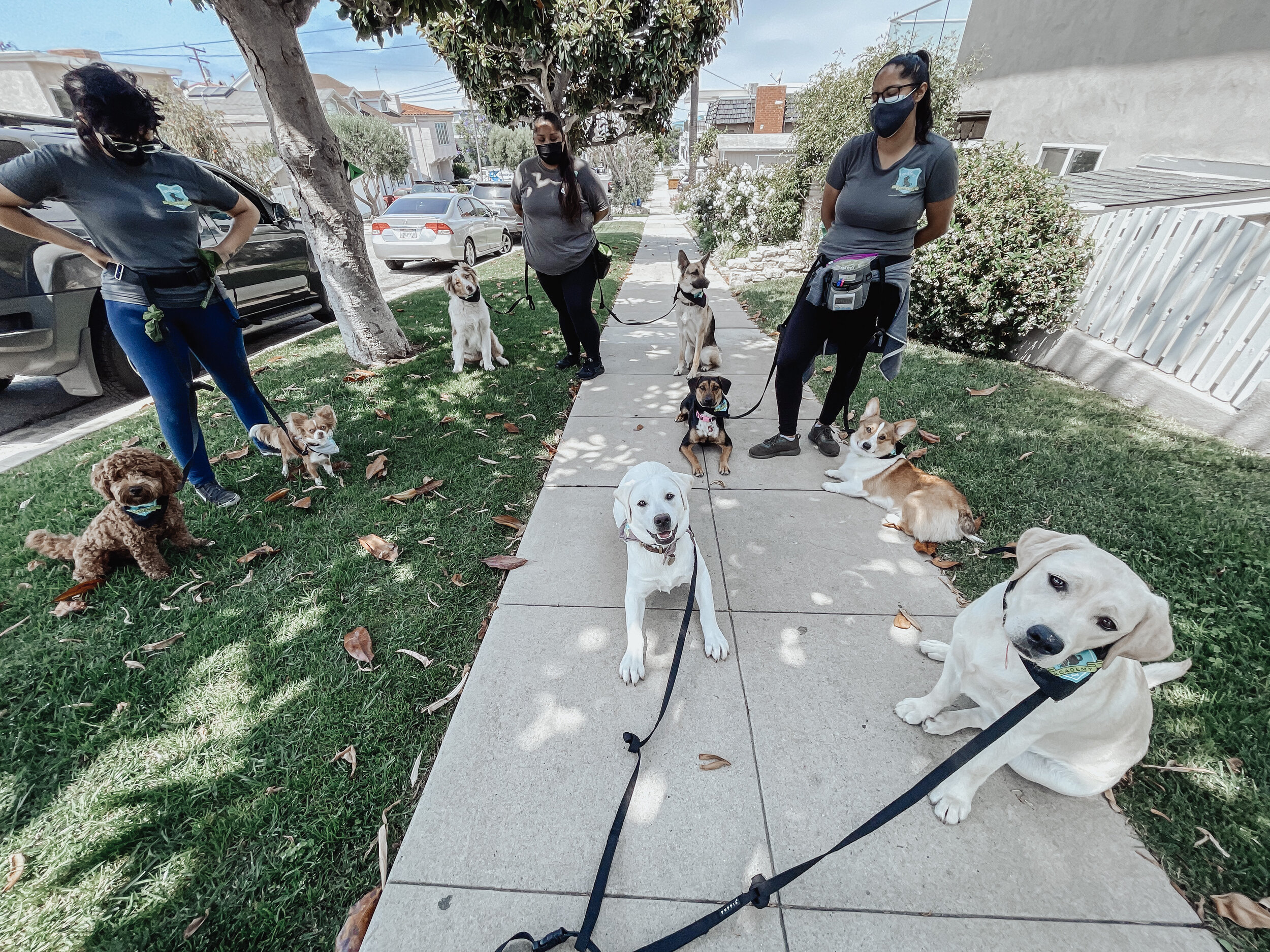
1. Create Distance (Immediate Relief)
Distance lowers stress.
-
Step away from crowds
-
Choose quieter routes
-
Stand at the edge of busy areas
If your dog relaxes with distance, you’re on the right track.
2. Go at Off-Peak Times
Train when places are:
-
Quieter
-
Less chaotic
Success comes before difficulty.
3. Reward Calm Observation
At a safe distance:
-
Let your dog watch the crowd
-
Reward calm behavior
-
Leave before stress spikes
Short, positive sessions build confidence.
4. Use Predictable Structure
-
Same walking routes
-
Same leash setup
-
Same calm cues
Predictability = safety.
5. Advocate for Your Dog
-
Say “Please don’t pet”
-
Block approaches politely
-
Turn away when needed
Protecting your dog builds trust.
6. Build Confidence Elsewhere
Confidence grows outside crowds too:
-
Sniff walks
-
Training games
-
Enrichment at home
A confident dog copes better everywhere.
When to Consider Professional Help
📞 Seek a qualified trainer or behaviorist if:
-
Your dog panics or shuts down
-
Fear is worsening
-
You feel unsafe managing outings
Early support prevents long-term anxiety.
How Long Until Improvement?
With consistent, gentle exposure:
-
Small improvements in 1–2 weeks
-
Noticeable confidence in 4–8 weeks
-
Strong coping skills over months, not days
Progress is non-linear—and that’s normal.
Final Takeaway
Crowds aren’t fun for many dogs—and that’s okay. Overwhelm is communication, not failure. When you respect your dog’s limits, move at their pace, and reward calm experiences, confidence grows naturally.
🐾 Bravery isn’t about enduring fear—it’s about feeling safe enough to explore.