
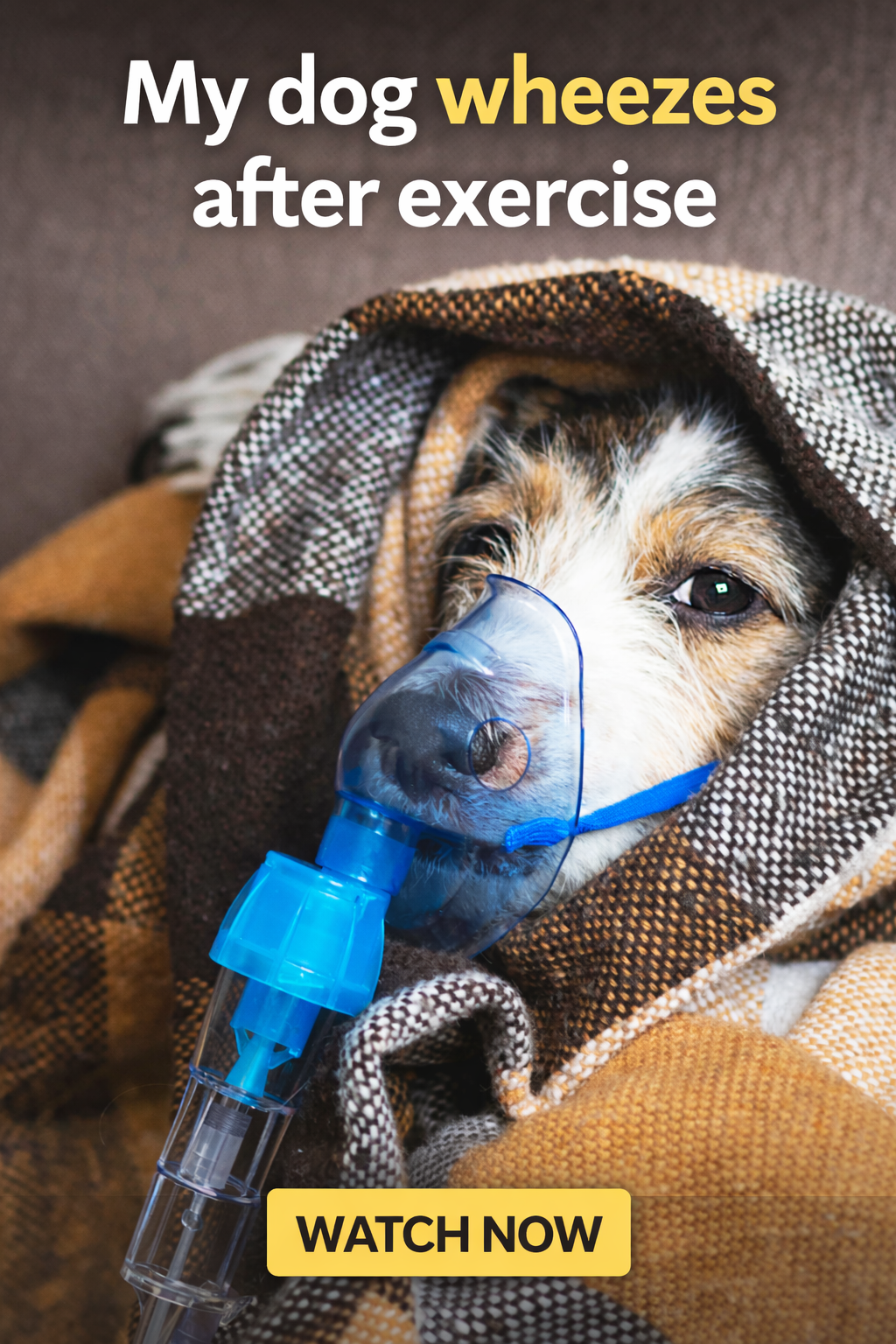
If your dog wheezes, whistles, or makes raspy breathing sounds after running or playing, it’s important to take it seriously. While panting after exercise is normal, wheezing is not. Wheezing means airflow is partially obstructed, and the cause can range from mild to urgent.
Here’s how to tell what’s normal, what’s not, and what to do next.
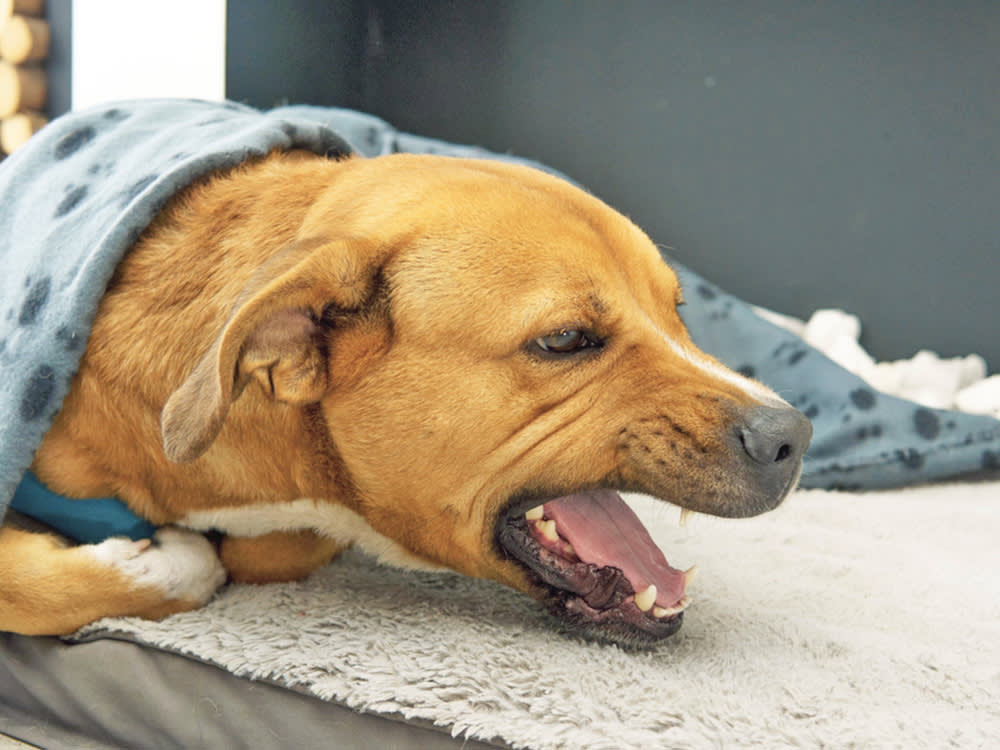
What Wheezing Sounds Like
-
High-pitched whistling
-
Raspy or squeaky breathing
-
Tight, forced breaths
-
Belly moving hard with each breath
👉 Panting = open mouth, steady rhythm
👉 Wheezing = strained, noisy airflow
Common Causes of Wheezing After Exercise
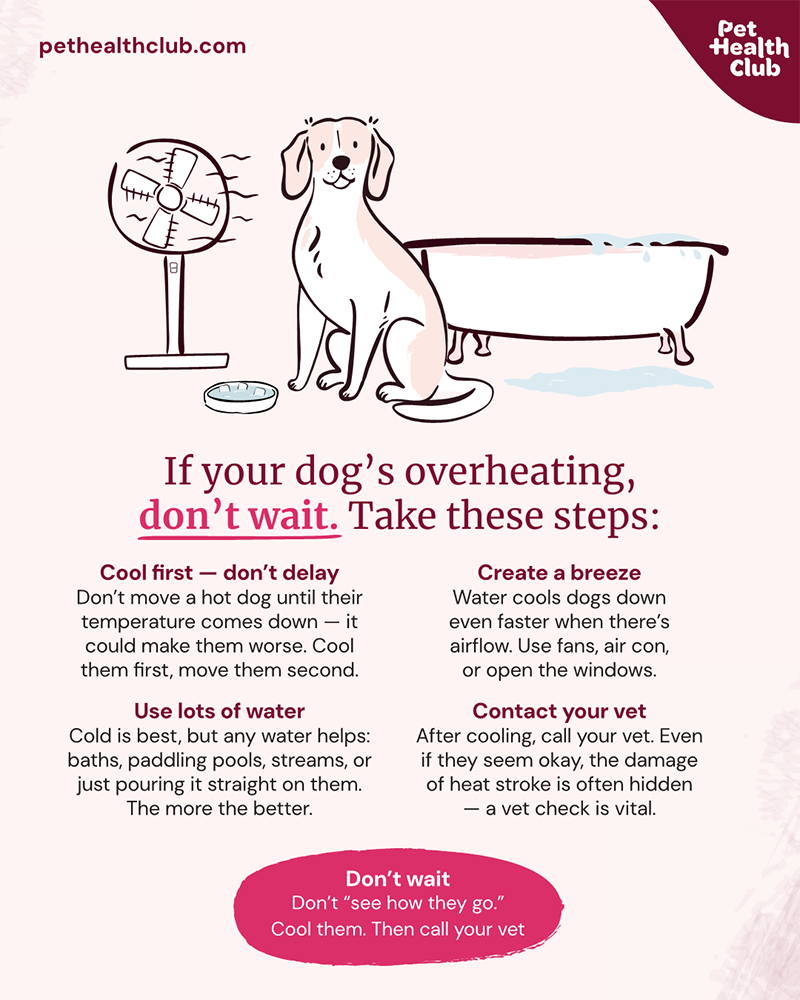
1. Overexertion or Heat Stress (Common)
Especially in:
-
Warm weather
-
Overweight dogs
-
Dogs not conditioned for exercise
Signs:
-
Heavy panting that doesn’t settle quickly
-
Slowing down suddenly
-
Seeking shade or lying flat
2. Brachycephalic Airway Syndrome
Common in short-nosed breeds (Bulldogs, Pugs, Frenchies):
-
Narrow nostrils
-
Elongated soft palate
-
Collapsing airway tissue
Exercise makes breathing much harder for these dogs.
3. Tracheal Collapse
Often seen in small breeds:
-
Wheezing or honking sounds
-
Worse with excitement or pulling on leash
-
Improves at rest
4. Allergies or Airway Irritation
Triggers include:
-
Pollen
-
Dust
-
Smoke
-
Cold or very dry air
Wheezing may appear seasonally or after outdoor play.
5. Heart or Lung Disease (More Serious)
Possible signs:
-
Wheezing + coughing
-
Exercise intolerance
-
Weakness or collapse
-
Blue or pale gums
This needs veterinary evaluation.
When Wheezing Is an Emergency
🚨 Go to an emergency vet immediately if your dog:
-
Struggles to breathe
-
Wheezes at rest
-
Has blue, gray, or pale gums
-
Collapses or can’t stand
-
Has a swollen neck or tongue
Do not wait for symptoms to pass.
What You Should Do Right Now
-
Stop exercise immediately
-
Move your dog to a cool, quiet area
-
Offer water (small sips only)
-
Keep your dog calm—no excitement
-
Monitor breathing for 10–15 minutes
If wheezing doesn’t improve quickly → call your vet.
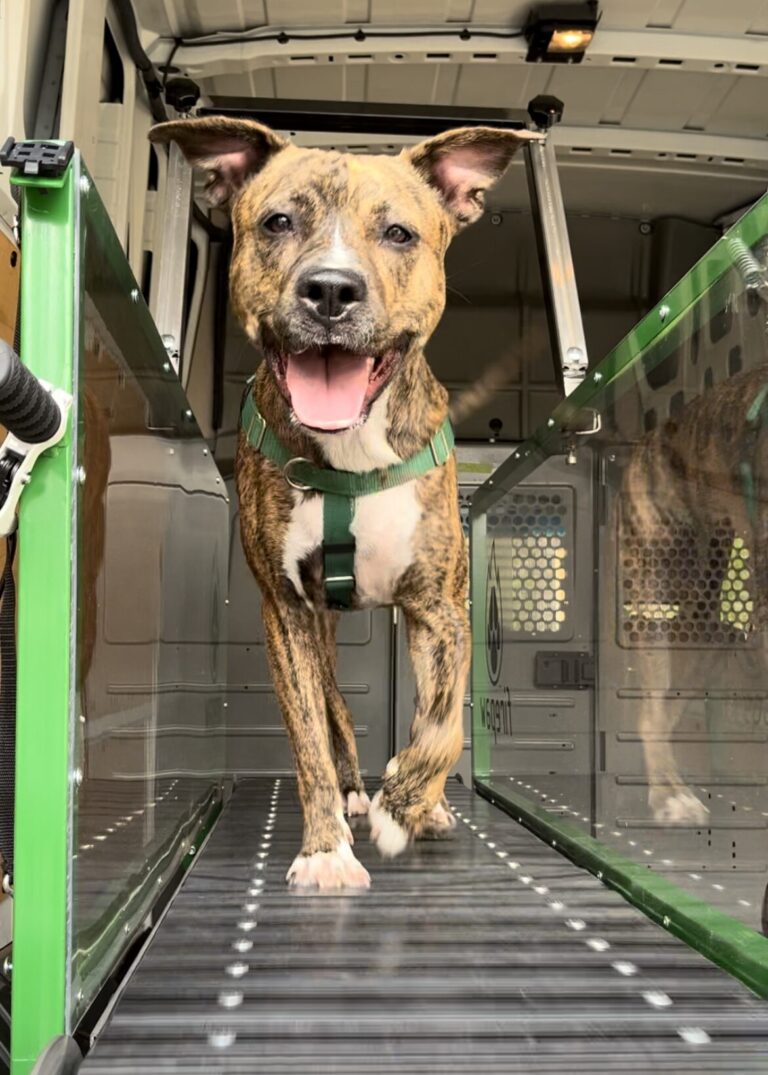
How to Prevent Wheezing Episodes

-
Shorter, slower walks
-
Avoid heat and humidity
-
Use a harness, not a collar
-
Maintain a healthy weight
-
Warm up and cool down gradually
-
Skip intense exercise if your dog has airway issues
When to See the Vet
📞 Schedule an appointment if:
-
Wheezing happens more than once
-
Your dog tires faster than before
-
Coughing or gagging appears
-
Breathing sounds worsen over time
Your vet may recommend:
-
Chest X-rays
-
Airway exam
-
Heart testing
-
Allergy management
Final Takeaway
Panting after exercise is normal. Wheezing is not. If your dog wheezes after activity—even if they seem okay afterward—it’s a signal that their airways are under stress. Early evaluation can prevent serious complications.
🐾 When breathing sounds change, listen closely—your dog is telling you something important.