
H.H.S. Reverses Decision to Cut $2 Billion for Mental Health and Addiction Services
A day after funding termination notices went out to more than 2,000 programs nationwide, the administration reversed itself and reinstated the money.

Less than 24 hours after the Trump administration informed more than 2,000 addiction and mental health programs nationwide that it was immediately terminating almost $2 billion of their funding, the administration reversed course and reinstated the money.
An administration official confirmed Wednesday night that the money was being restored, but declined to say why.
The decision followed furious lobbying by lawmakers from both parties to restore the cuts and a letter to the health secretary, Robert F. Kennedy Jr., with signatures from 100 House members.
“These are cuts he should not have issued in the first place,” Representative Rosa DeLauro of Connecticut, the top Democrat on the House Appropriations Committee, said in a statement after reports of the reversal.
“This episode has only created uncertainty and confusion for families and healthcare providers.” she added. “I hope this reversal serves as a lesson learned. Congress holds the power of the purse, and the Secretary must follow the law.”
On Tuesday, the Substance Abuse and Mental Health Services Administration, which Mr. Kennedy oversees, had sent a form letter to the programs about the cuts.
The form letter, obtained by The New York Times, said the funding termination would be effective immediately, explaining only that the services no longer aligned with the agency’s priorities. The letter described those priorities as supporting “innovative programs and interventions that address the rising rates of mental illness and substance abuse conditions, overdose, and suicide.”
The cuts would have affected longstanding agency investments like drug courts that offer treatment as an alternative to incarceration, programs for pregnant and postpartum women in recovery, screening and referral services, and overdose prevention education for young people.
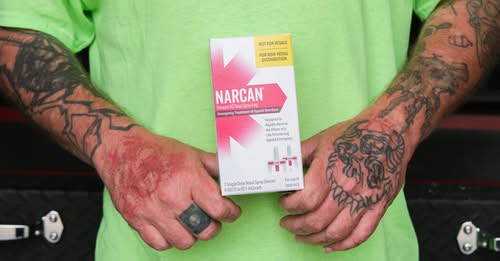
Missouri’s statewide association of emergency medical services workers, a nonprofit professional organization, had learned that $5.2 million was being slashed from programs that train staff to administer and distribute overdose reversal medication, as well as to talk with people in crisis about mental health and addiction treatment programs.
Fatalities nationwide from overdoses of opioids and stimulants have been dropping since 2023, when they peaked at close to 111,000, according to federal data. Provisional reports estimate that totals for the 12-month period ending in August 2025 will still be about 72,000.
“At a time when overdoses are still claiming tens of thousands of lives across the country, this is not a time to be canceling grants that are providing direct services and the technical assistance to support many of those services for people across the country,” said Dr. Yngvild Olsen, who until recently was the director of the agency’s center for substance use treatment.
Officials at SAMHSA did not respond to requests for comment.
Before the reversal, the American Psychiatric Association said that it had lost funds for numerous education programs, including one that offers mental health training to school staff in grades kindergarten through 12. Haymarket Center, a large treatment services provider in Chicago, summarily lost $1.8 million overnight for employment training and other support for homeless people.
Kathryn Cates-Wessel, chief executive of the American Academy of Addiction Psychiatry, said she received a faxed letter at 10:30 p.m. Tuesday saying that her organization would lose $20 million in federal grants. Last year, the academy taught 500,000 doctors, social workers and nurses nationwide how to screen and treat people addicted to opioids. It set up workshops in local communities to address addiction stigma and other prevention tactics.
“I’m heartbroken,” Ms. Cates-Wessel said. “For the life of me, I don’t understand.”
Programs to prevent suicide, reduce underage drinking and cannabis use in central Alabama would be eliminated, said Nichole Dawsey, the executive director of the Addiction Prevention Coalition in Birmingham. Overnight, she added, her coalition itself had lost $290,000, a quarter of its annual budget.