
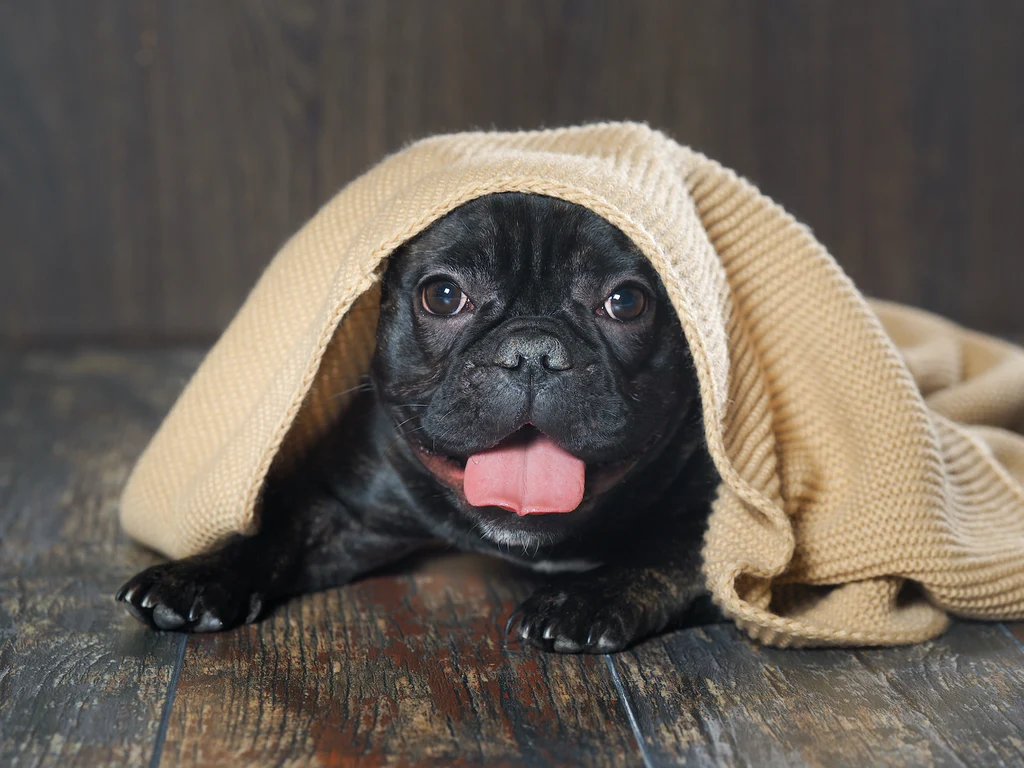
Panting is normal for dogs in hot weather—but panting when it’s cold often confuses and worries dog owners. While this behavior can sometimes be harmless, it may also signal stress, pain, illness, or an underlying medical condition. Understanding the cause helps you know when to relax—and when to act.

🦴 Common Reasons Dogs Pant Even When It’s Cold
1. Anxiety or Stress
Dogs may pant due to:
-
Separation anxiety
-
Fear (loud noises, unfamiliar places)
-
Emotional stress
Anxiety panting is often accompanied by pacing, trembling, whining, or wide eyes.
2. Pain or Discomfort
Panting can be an early sign of pain caused by:
-
Injury
-
Arthritis or joint pain
-
Internal discomfort
Dogs often hide pain, making panting one of the few visible clues.
3. Medical Conditions
Several health issues can cause excessive panting regardless of temperature, including:
-
Heart disease
-
Respiratory problems
-
Cushing’s disease
-
Fever or infection
⚠️ Persistent panting at rest should never be ignored.
4. Medication Side Effects
Some medications—especially:
-
Steroids
-
Pain relievers
-
Anxiety medications
can increase panting as a side effect.
5. Excitement or Overstimulation
Dogs may pant when:
-
Anticipating a walk or meal
-
Playing or greeting people
-
Experiencing heightened emotions
This type of panting usually stops once the dog calms down.
6. Breed-Related Factors
Certain breeds are more prone to panting:
-
Brachycephalic (short-nosed) breeds
-
Older dogs
-
Overweight dogs
Their breathing regulation is less efficient—even in cool environments.
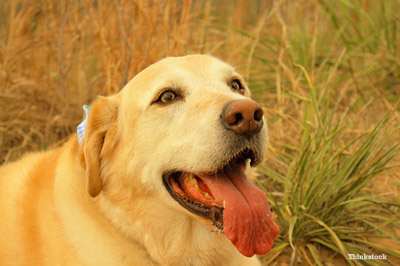
🐕 How to Tell If Panting Is a Problem
Panting may be concerning if it:
-
Happens at rest or during sleep
-
Appears suddenly or worsens
-
Is accompanied by coughing, lethargy, or weakness
-
Includes pale or blue gums
These signs suggest a possible medical emergency.
🏠 What You Can Do at Home
-
🧘 Create a calm environment
-
🛏️ Ensure your dog is warm but not overheated
-
💧 Provide fresh water
-
👀 Monitor frequency, duration, and triggers
If panting decreases with relaxation, anxiety may be the cause.
🚑 When to See a Veterinarian Immediately
Seek veterinary care if your dog:
-
Pants heavily without obvious cause
-
Pants while resting or sleeping
-
Shows signs of pain or distress
-
Has a known heart or respiratory condition
Early diagnosis can be life-saving.
🐾 Final Thoughts
A dog panting in cold weather isn’t always an emergency—but it’s never something to ignore if it’s persistent or unexplained. Trust your instincts. If something feels off, it’s always safer to check with your veterinarian.