
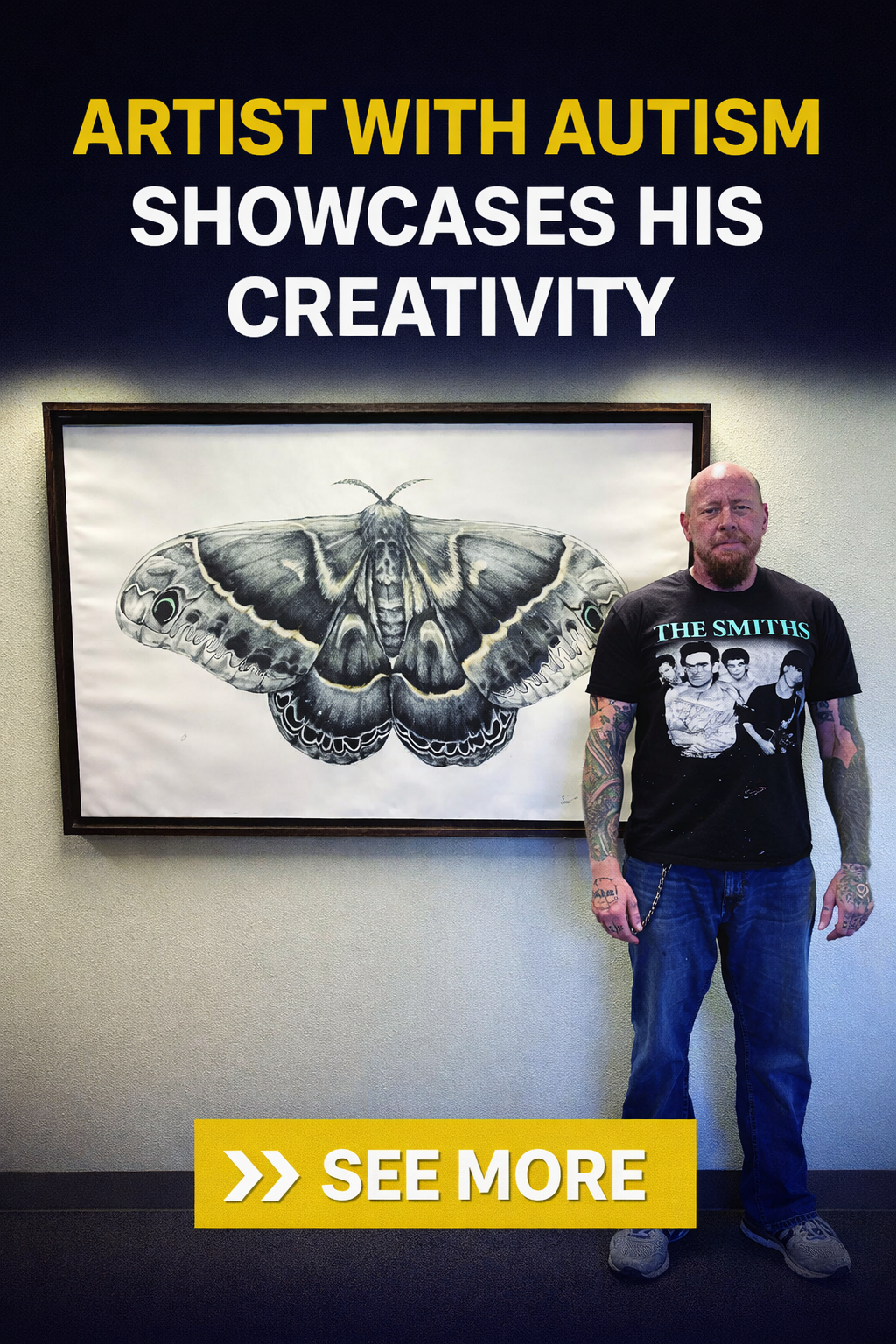
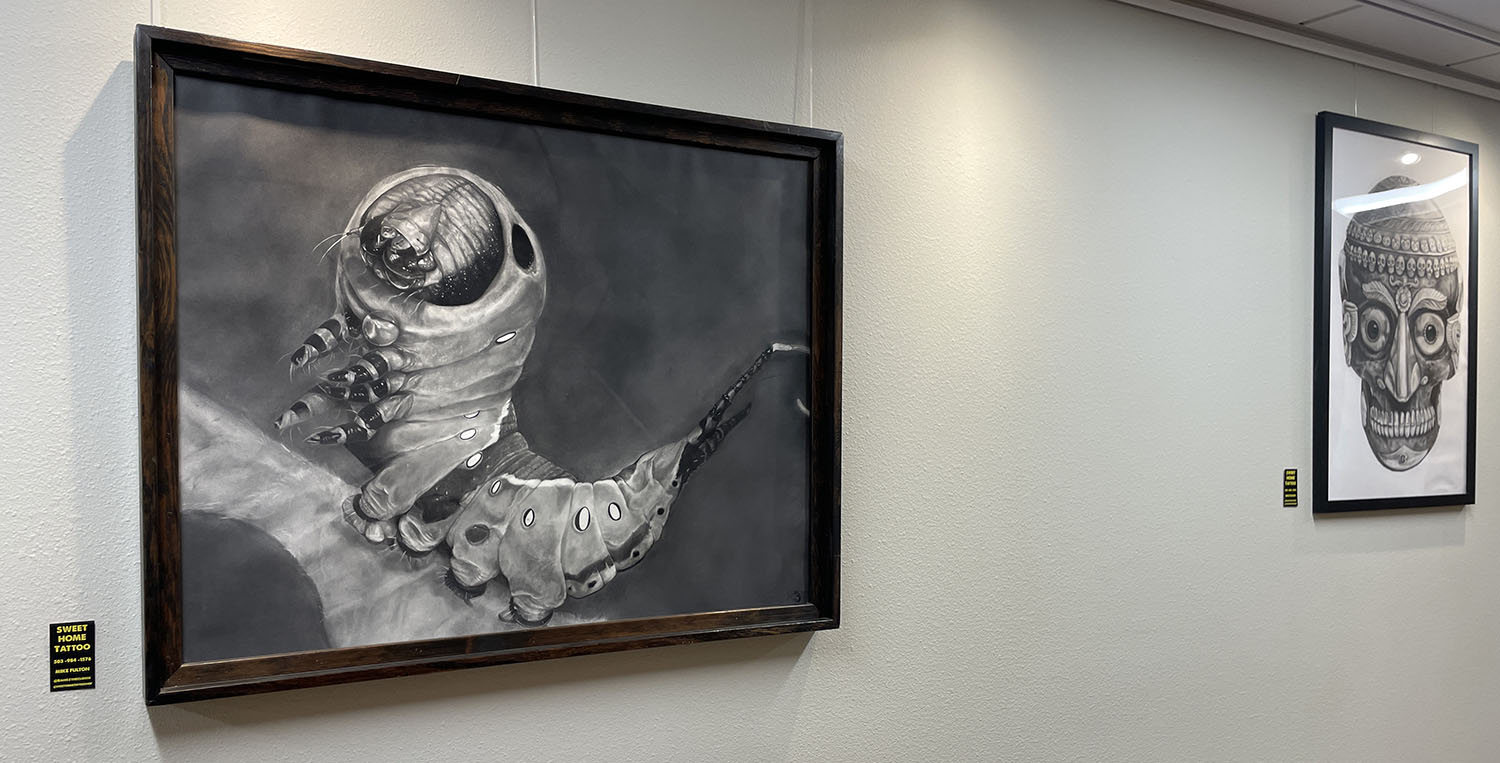
At first glance, Mike Fulton’s drawings appear almost impossibly precise: meticulously rendered insects, spiraling geometry and portraits – so realistic, they feel alive.
Look longer, and another story emerges; one of intense focus, pattern and perseverance shaped by a mind that sees the world differently.
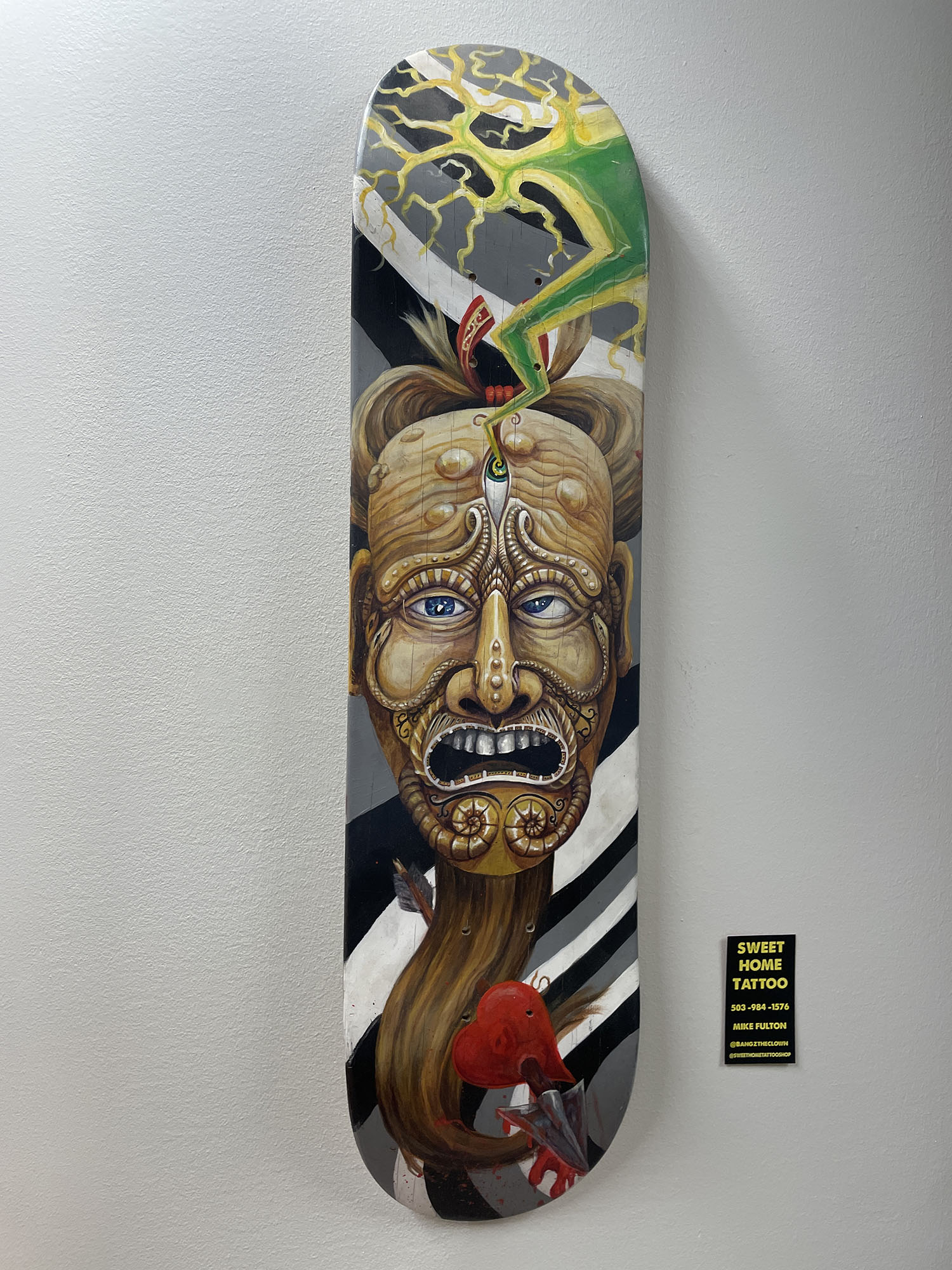
Fulton, a 49-year-old artist whose work is featured in the SHOCASE-sponsored exhibit at Sweet Home City Hall through Feb. 28, says his late autism diagnosis helped him finally understand the source of both his struggles and his creative strength.
“I didn’t even know I was autistic until I was in my early 40s,” Fulton said. “That’s super late. I struggled a lot in life – socially, emotionally – and I spent a lot of time alone. But I also spent a lot of time creating.”
Fulton moved to Sweet Home five years ago after living in Portland and years spent traveling the country as a working artist. His path has been anything but linear.
Raised in inner-city southeast Los Angeles, he dropped out of high school as a teenager to care for his father, also an artist, during his final year of life. After his father’s death, Fulton lived with his grandparents and began drawing obsessively.
“Art became a stress relief,” he said. “It was how I navigated what I was going through. I just never stopped.”
That persistence, Fulton insists, matters more than innate talent.
“I don’t know if I have talent,” he said. “I just have tenacity. I didn’t quit.”
Fulton earned a bachelor of fine arts in painting and printmaking from the University of Oregon, completing nearly every hands-on art elective available – from metalsmithing to sculpture, he said. He later attended graduate school at the Savannah College of Art and Design in Georgia and recently reapplied to continue his formal education.
After losing everything in a fire in 2008, Fulton renovated a school bus and became a traveling artist, collaborating with others at large-scale festivals such as Coachella, Electric Daisy Carnival in Las Vegas and Burning Man. He also spent two decades volunteering on the recycling crew at the Oregon Country Fair, a role he said was as much about service as belonging.
“I did that to try to be part of a community,” he said.
Fulton speaks candidly about how autism shaped his life, particularly before he understood it.
“I speak differently. I’m a truth-teller,” he said. “I don’t navigate socially the same way, and that led to a lot of rejection. I always felt like the outsider looking in.”
That isolation, however, also sharpened his observational skills.
“Because I was left to myself, I spent more time watching the world,” Fulton said. “That gave me a huge capacity for creating.”
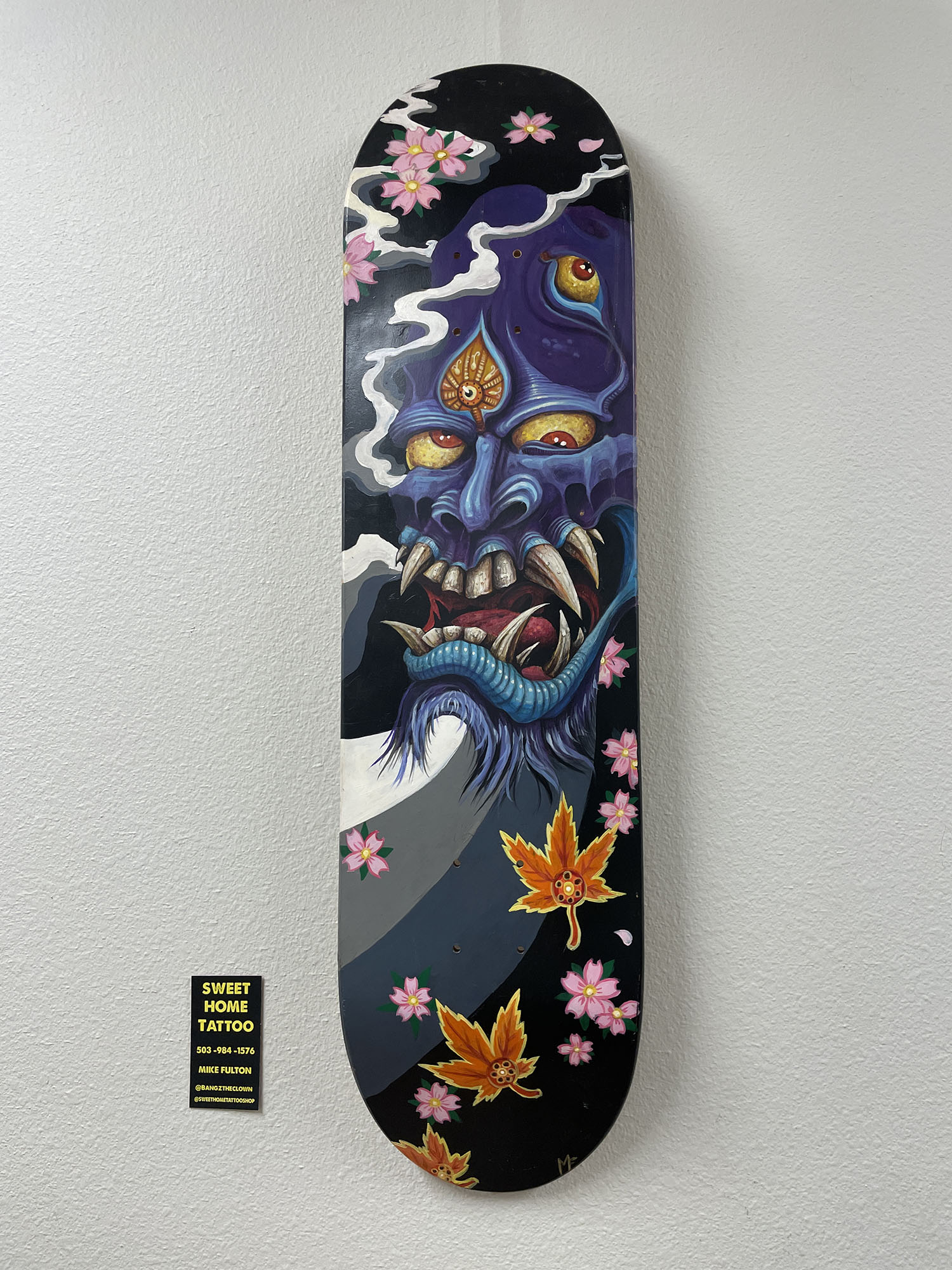
He describes his autism as a source of heightened pattern recognition and spatial reasoning — abilities that inform everything from his drawings to large-scale sculpture and tattoo work. Fulton has more than three decades of experience as a tattoo artist, specializing in realism, black-and-gray, fine line and Japanese styles.
“Tattooing is a problem to be solved,” he said. “Skin moves, stretches and ages. I can see the whole thing in my mind, rotate it, tear it apart and put it back together before I ever put pencil to paper.”
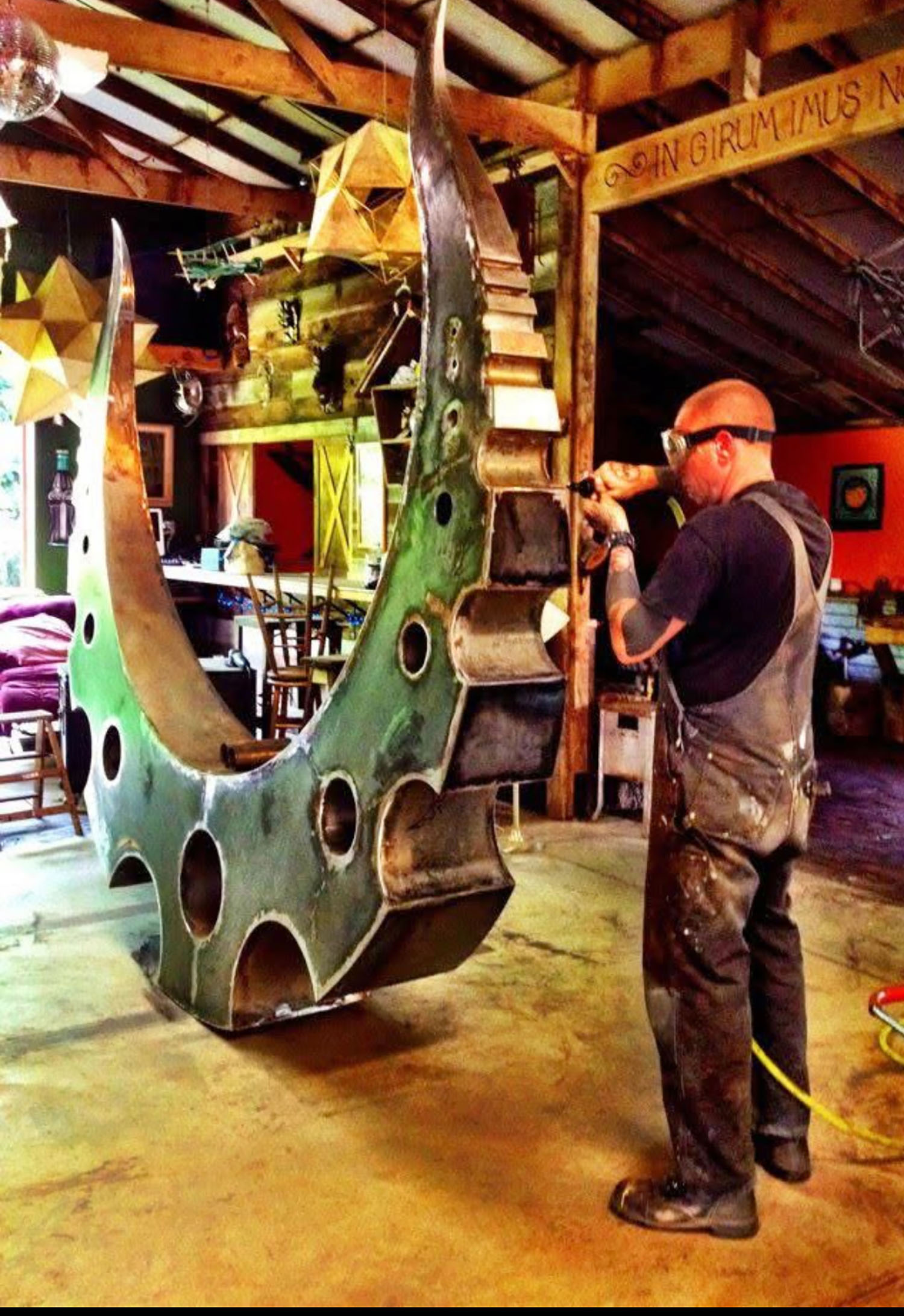
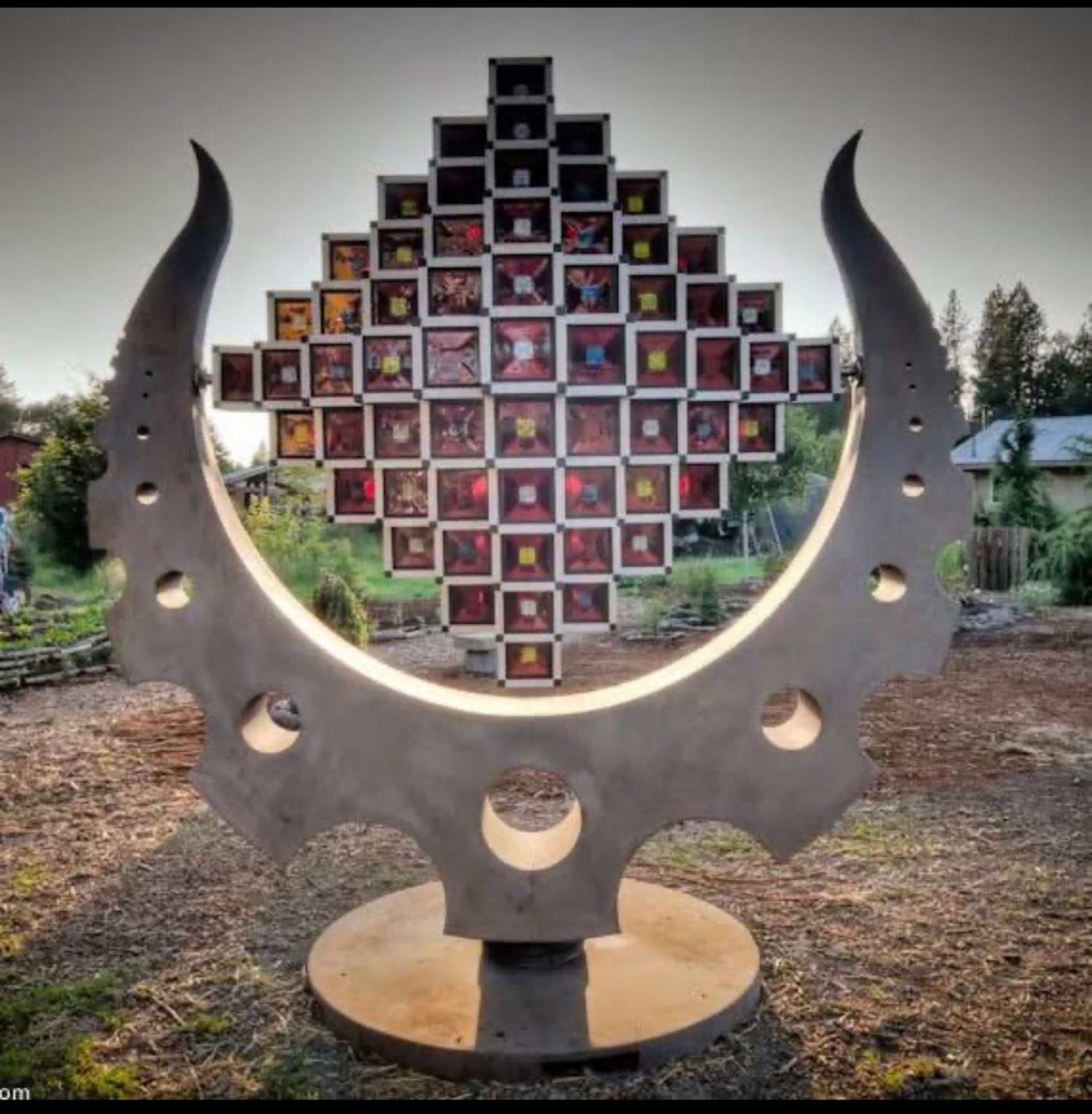
That same internal visualization guided a rotating, illuminated metal sculpture Fulton helped design in 2012 – a work based on sacred geometry, Fibonacci sequences and a continuous spiral line inspired by the Mayan calendar. He is currently developing another large-scale piece and hopes to secure grant funding to complete it.
Much of Fulton’s current body of work focuses on insects and invertebrates, rendered through hundreds of hours of sustained observation. “In an era dominated by images designed for rapid consumption, my drawings and paintings insist on slowness, intimacy, and sustained looking,” he said. “By depicting insects – organisms frequently dismissed as insignificant or threatening, I draw parallels between nonhuman life and marginalized modes of human experience.”
For Fulton, the act of making art is both discipline and regulation.
“Repetition, extended focus and sensory immersion are integral to my process,” he said. “Autism shapes not only how I see, but how I work.”
Now living and working in Sweet Home, Fulton hopes his openness will encourage others who are neurodivergent to see possibilities rather than limitations.
“Once I realized I’m autistic, I could look back and understand my life differently,” he said. “I’m not broken. I just see the world differently – and that difference has value.”
Community members will have an opportunity to meet Fulton and learn more about his work during a SHOCASE-sponsored artist reception from 4 to 5 p.m. Thursday, Jan. 22, at Sweet Home City Hall, 3225 Main St. Light refreshments will be served, and Fulton will be available to answer questions about his art and creative process.