
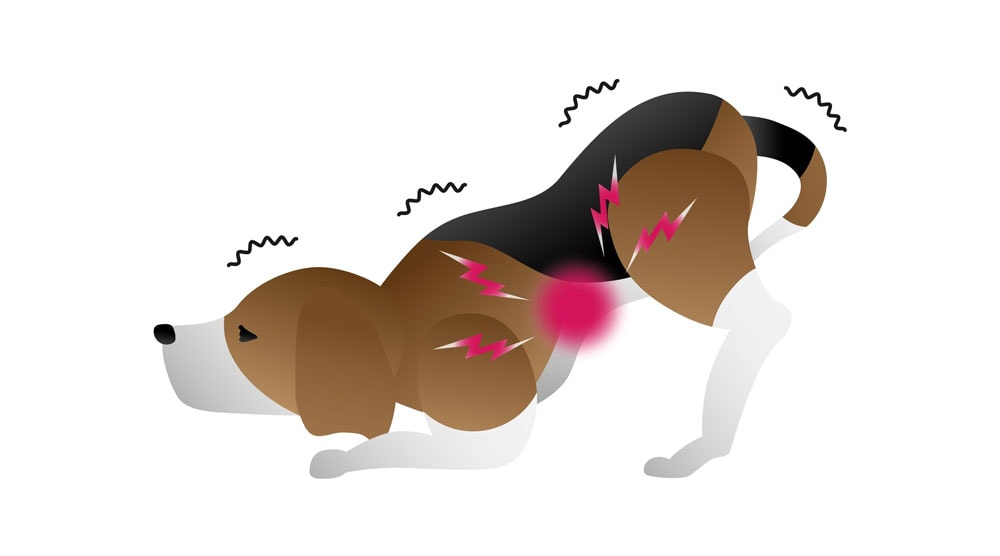
Dogs stretch all the time—but repeated stretching that looks tense, frequent, or uncomfortable can be a sign that something isn’t right. While some stretches are perfectly normal, others may signal pain, digestive issues, muscle strain, or internal discomfort.
Understanding the difference can help you decide whether to monitor at home or seek veterinary care

🦴 Common Reasons Dogs Keep Stretching Repeatedly
1. Normal Stretching (Totally Harmless)
Dogs often stretch to:
-
Wake up after rest
-
Loosen muscles
-
Prepare for activity
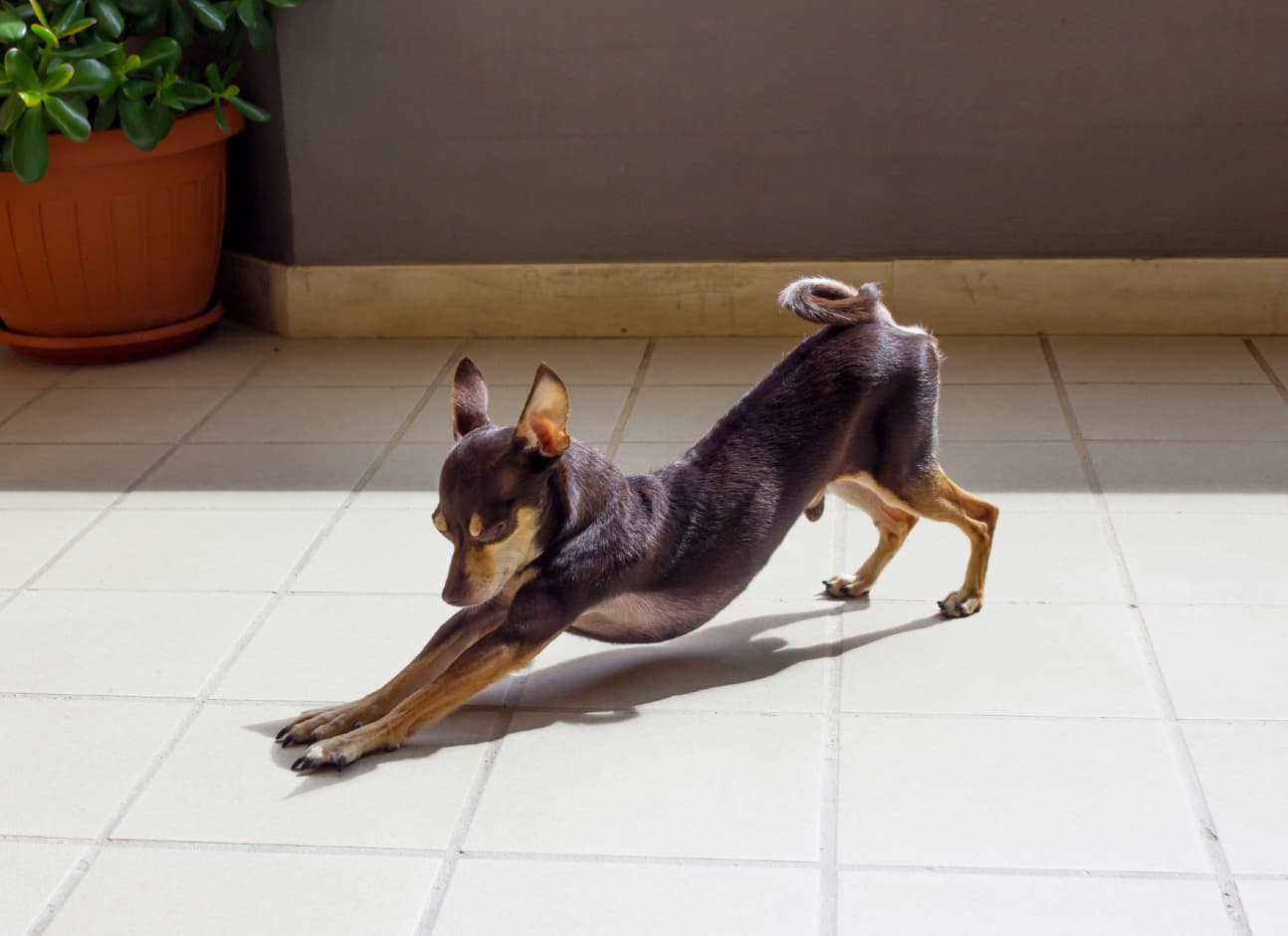
A relaxed stretch followed by normal behavior (walking, eating, playing) is usually nothing to worry about.
2. Stomach or Digestive Discomfort
One of the most common concerning causes. Dogs may stretch repeatedly to relieve:
-
Gas or bloating
-
Nausea
-
Mild stomach pain
The classic “prayer position” (front legs down, rear up) held for longer than a few seconds can suggest abdominal discomfort.
3. Back, Neck, or Muscle Pain
Dogs experiencing musculoskeletal pain may:
-
Stretch frequently
-
Move stiffly
-
Avoid jumping or stairs
This is common after intense play, slipping, or in older dogs with arthritis.
4. Anxiety or Restlessness
Stress can cause dogs to:
-
Stretch repeatedly
-
Pace
-
Yawn or lick lips
In this case, stretching is part of a broader pattern of nervous behavior.
5. Early Sign of Pain or Illness
Repeated stretching combined with other symptoms may indicate:
-
Pancreatitis
-
Abdominal injury
-
Internal inflammation
⚠️ If stretching looks urgent, forced, or constant, it should not be ignored.
🐕 Signs Stretching May Be a Problem
Pay closer attention if stretching is accompanied by:
-
Whining or groaning
-
Loss of appetite
-
Vomiting or diarrhea
-
Lethargy
-
A hunched or tense posture
These are red flags that require attention.
🏠 What You Can Do at Home
-
👀 Observe frequency and timing (after meals, after rest, after activity)
-
🛏️ Encourage rest and limit intense exercise
-
💧 Ensure proper hydration
-
🌡️ Keep your dog warm and comfortable
If stretching decreases with rest and time, it may have been mild strain or gas.
🚑 When to See a Veterinarian
Contact your vet promptly if:
-
Stretching is frequent and persistent
-
Your dog appears painful or distressed
-
Symptoms worsen or last more than 24 hours
-
There is vomiting, diarrhea, or appetite loss
Early evaluation can prevent serious complications.
🐾 Final Thoughts
Occasional stretching is normal—but constant stretching that looks uncomfortable is your dog’s way of saying something feels off. Trust your instincts. If your dog’s behavior changes suddenly or doesn’t improve, it’s always safer to have a professional check things out.