
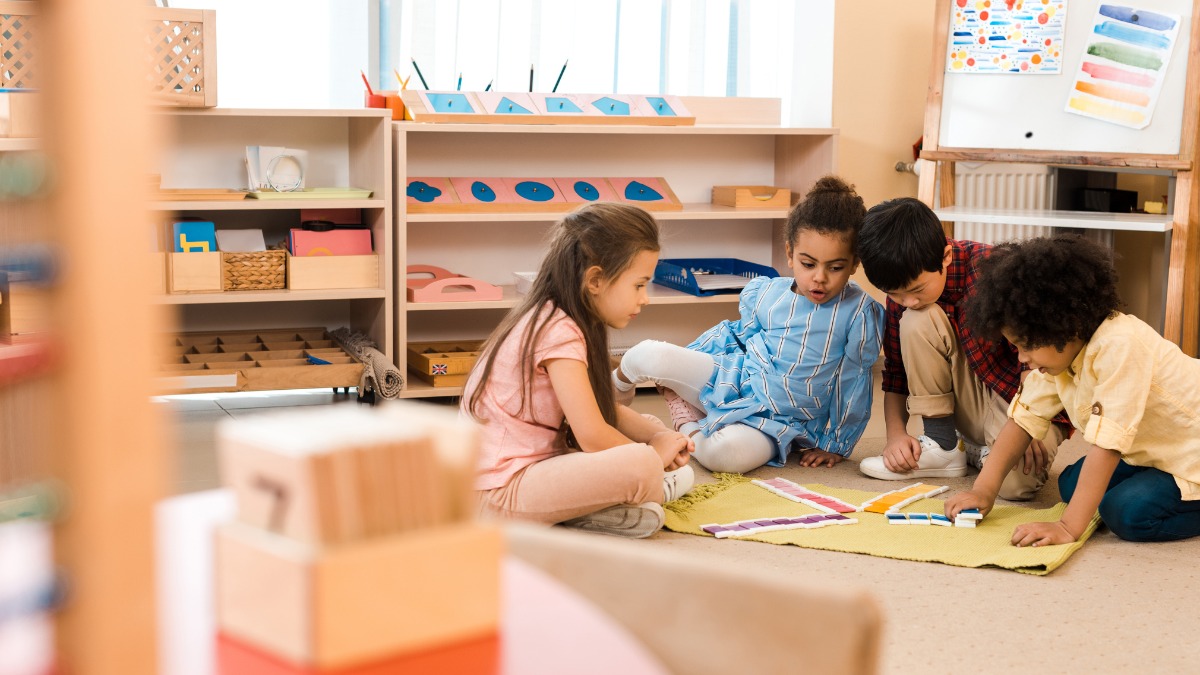
Make your classroom, lab and campus more accessible to autistic students with these tips

You may also like



The number of autistic students is increasing, yet awareness of autism and support strategies to help those students thrive are still limited. Autistic learners are less likely to complete university education or achieve a first- or second-class degree compared with their peers, according to research.
Autism affects how people experience and communicate with the world around them, and is characterised by communication and social interaction issues and sensory difficulties. Based on the experiences of autistic students, here, we provide practical strategies that can make a positive difference for them in their university education.
1) Listen to autistic students
If your current support is based on outdated stereotypes or misinformation, students can feel unheard and powerless. This can lead to their feeling isolated, both socially and academically.
Create autistic-friendly spaces to encourage and facilitate access to autistic voices.
Establish peer support opportunities, so that autistic learners can benefit from the shared experiences of their peers.
Conduct research that gathers autistic learners’ perspectives (eg, focus groups, surveys) and includes autistic students as co-creators or co-authors.
2) Clear instructions and effective communication
Autistic students can easily misunderstand vague instructions. To avoid confusion, some students may avoid communication altogether.
Facilitate other forms of communication, particularly asynchronous and anonymous formats.
- Prevent overstimulation and support autistic students in the laboratory
- Rethinking neurodiversity in higher education
- How can we create accessible and inclusive learning environments for neurodivergent students?
Ensure instructions are clear and concise, without ambiguity or unnecessary room for interpretation.
Consider the format of instructions and the potential for rechecking, such as written versus verbal.
Be open to clarifying questions.
3) Information in advance
Sudden changes in structure, design or implementation of education and the surrounding environment can be distressing for autistic learners. A lack of clear and detailed information in advance of key events, such as assessments and field courses, can prevent them from planning and preparing in full.
Build in predictability to avoid any sudden changes in the way teaching or support works.
Provide information on assessment structure and deadlines well in advance.
Go into detail as much as possible and include images where relevant, such as in-depth intended schedules, practical instructions, assessment briefs. Avoid ambiguity.
4) Assume the best
Autistic students can abruptly disengage – even literally leaving the classroom – due to sensory overwhelm. Educators can also be frustrated when students fail to follow their instructions.
Don’t assume that the learner is consciously refusing to engage with the class or trying to be disruptive.
Create a culture where students feel comfortable sharing their challenges – and be open to potential support mechanisms, like noise-cancelling headphones or frequent breaks.
Instead of assuming the learner is being awkward or difficult, understand that they may have been trying to follow instructions in good faith. Recognise that some experiences may cause them profound distress.
5) Environmental adjustments
Educational environments are full of audio, visual and physical stimuli. Because of this, autistic students can struggle to participate and may feel the need to leave early.
Make sure all students are offered regular breaks.
Be conscious of potential sensory challenges such as bright lighting, reflective surfaces, high noise levels and strong smells.
If possible, use an alternative room where sensory extremes are lessened or absent.
6) Training and awareness
Because understanding and awareness of autism varies, autistic students can often experience a range of interactions with their educators and peers, some more positive than others.
Get involved in training to better understand the world from an autistic viewpoint and be better placed to offer flexible support.
Explore options to provide training opportunities for the wider student body to maximise autism awareness.
While supporting autistic learners begins with practical accommodations, we must go further. Autistic students are asking to be understood, and it’s on us to redress the balance and share the burden of communication.
Adam J. Jeffery is a lecturer in forensic geoscience, Steven L. Rogers is a senior lecturer in geology, Kelly L.A. Jeffery is a researcher developer, Jamie K. Pringle is a reader in forensic geoscience, all at Keele University. Mark Lucherini is a teaching fellow in public health at the University of Edinburgh. Martin Griffin is a geotechnical engineer at GHD.
If you would like advice and insight from academics and university staff delivered direct to your inbox each week, sign up for the Campus newsletter.