
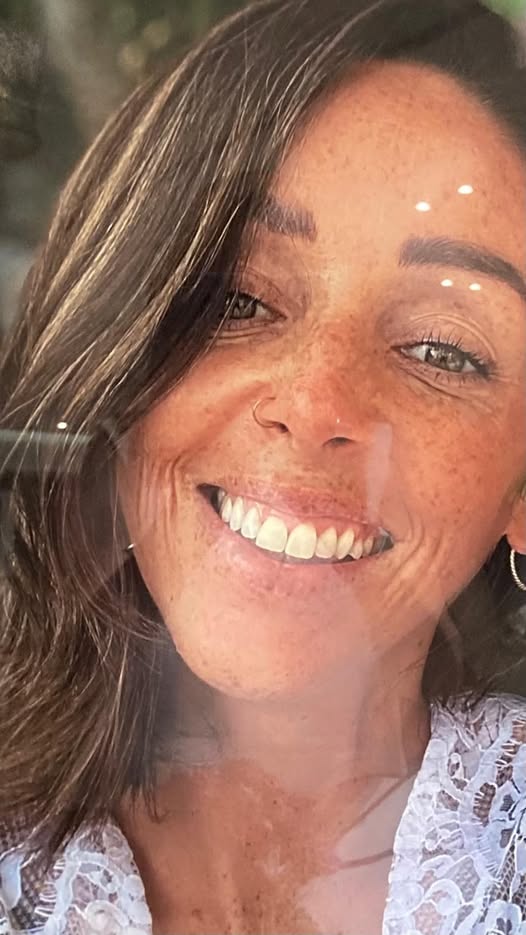
‘One drink of limoncello killed my daughter – it could happen to anyone’
Kirsty McKie from Stockport died after drinking limoncello with her friend in Bali. She is one of thousands of people who tragically lost their lives due to ingesting contaminated alcohol, with urgent calls being made for change

(Image: UGC/FAMILY)
Kirsty McKie had been living out in Bali for eight years. Due to her fiancé’s work in the hospitality industry, she only ever purchased alcohol from ‘high-end and reputable suppliers’ and knew about the risks.
But after a night with her friend at home, the 38-year-old, originally from Stockport, died in 2022 after unknowingly ingesting contaminated alcohol and trying to sleep off what she thought was a hangover. She had drank from a bottle of limoncello.
She was laid to rest back at home a month after she died, but it took her family months to finally get the answers they needed, with pathologist reports later confirming that she died as a result of methanol poisoning.
Click here to prioritise Manchester news in Google from the MEN
Her mum Margaret is now campaigning to raise vital awareness with the hope of saving lives. This includes urging people not to drink spirits in select countries, even if sealed and bought from shops, in case they are inadvertently laced, adding: “There is no way to know. It can happen to anybody.”
More than 14,000 thousand deaths globally since 1998 are thought to have been linked to methanol poisoning. Disaster also struck in 2024 when six people tragically died, including Brit backpacker Simone White, after drinking alcohol laced with methanol at the Nana Backpacker Hostel in the popular tourist town of Vang Vieng, Laos.
Following the incident, it has emerged that ten people were charged with destruction of evidence linked to the poisoning and handed suspended sentences, being slapped with meagre fines of just £135. This has been slammed by Margaret as ‘insulting’ to the families involved.
The UK Foreign Office is currently advising travellers about the dangers of drinking counterfeit or tainted alcoholic drinks from an extensive list of sixteen countries – and the symptoms to look out for.
“You never really know what you are consuming. It could happen to anyone”
Kirsty was a freelance TV producer and filmmaker in London who spent eight years living in Bali, where she trained as a ceramicist working with pottery. She ran classes for tourists and taught from her own studio.

Kirsty had been living in Bali for eight years(Image: UGC/FAMILY)
Since her death, her mum Margaret has been campaigning along with other affected families for change. Their plan is to raise vital awareness and save the lives of others who aren’t aware of the potentially fatal dangers of methanol poisoning. She claimed there are recent reports of laced alcohol even making its way to other popular hotspots like Greece and Spain.
The mum, 66, is sharing the key symptoms so that victims don’t ‘try to sleep it off thinking it’s just a bad hangover’ adding that daughter Kirsty, who previously studied at the University of Manchester, was well aware of the dangers and only ever bought quality alcohol.
“We didn’t get the diagnosis of what killed her for months,” she told the M.E.N. “We had no idea what the reason was for her death. Her friend had also become ill but had gotten better. They had no idea that it was anything other than a bad hangover.
“We brought Kirsty back to the UK and had her funeral a month after she died and still didn’t have any answers. We didn’t find out it was methanol poisoning until some time after. A pathologist in Bali took samples and kept them under laboratory conditions until they could be tested, which was when we got the truth.

Kirsty died after a night drinking a bottle of limoncello (Image: UGC/FAMILY)
“They were well informed and they were careful. They only ordered their alcohol from a supplier who supplied high-end restaurants and hotels. She did not suspect that it could be anything because they just believed that they were being as careful as they needed to be.”
Margaret said that in popular tourist hotspots including Laos, Indonesia and Thailand, spirits served in drinks and cocktails in bars can be contaminated, but that genuine discarded bottles can also be resealed and sold by crooks using methanol in spirits to cut costs.
Like ethanol, methanol is a colourless and flammable liquid with a similar smell. It can appear in any alcoholic beverage but it’s more commonly found in drinks with higher alcohol content, such as spirits, and traditionally brewed drinks.
Even small amounts of methanol can cause blindness or death within 12-48 hours of consumption and is tasteless and largely odourless, making it impossible for tourists to detect.
Margaret also referenced the case of Greta Otteson, who died aged 33 from methanol poisoning purchased from a restaurant in Vietnam on Boxing Day, 2024, previously adding: “Kirsty and Greta both died having followed Foreign Office advice. They talk about reputable establishments that are licensed, well that’s what both of them did.”
She said: “It can end up in alcohol by non-professional practise, such as local brew, which is done to a poor standard but not knowingly. It’s not organised crime, but is careless and unprofessional. The other aspect of it is there are companies who knowingly bottle methanol because it’s cheap. It’s a deliberate act and it’s not fit for human consumption.
“The recommendation is for tourists not to throw away genuine bottles without smashing them, as they can be refilled as part of bigger operations with professional machinery. Even drinking sealed bottles doesn’t actually cover the dangers. Fake alcohol and labels look very convincing.
“We want people to realise there is no guarantee and no way to know and be sure. To be totally safe, we say not to drink shots or cocktails as people don’t know what’s in them, but also that there is never a guarantee that a spirit is safe. It could happen to anyone.
“We would advise people to drink beer or buy spirits first at duty free and keep them in the hotel. You can never really know what you are consuming.”
“It’s not justice”
No legal action has been taken against those who caused Kirsty’s death because the bottle had been discarded. Too much time had passed by the time the family got answers they so desperately needed. Margaret said governments are more worried about their tourism trade than seeking justice for victims.
“It didn’t occur to anybody in Kirsty’s case that it could’ve been methanol poisoning, and that’s why by the time we got to the truth, the bottle had long since been thrown away so there was no way of proving who caused it,” Margaret explained.
“We have had to make peace with it. There’s no way that we can pursue it. We know the Governments of these countries are more concerned about the tourist trade and don’t want the bad publicity. In our experience, and from those of other bereaved families, you don’t get support.
“They want to brush it under the carpet because they don’t want to stop people coming because it damages their image.”
Following the fatal incident at the Laos hostel, six people died after around 100 guests who were given free shots fell gravely ill. Ten people were given suspended sentences and handed fines of just £135.

The Nana Backpackers hostel in Vang Vieng, Laos, where six people died after drinking alcohol(Image: AP)
Responding, Margaret said: “The fines for those in Laos are derisory. It’s not a deterrent or enough, and it won’t stop it happening again. What sort of message is that sending? It’s not justice, it’s insulting. People haven’t been punished sufficiently.
“Our campaign has had a massive impact and has really taken off since what happened in Laos. At the time we were actually in Bali meeting Kirsty’s fiancé when we heard the news. It’s just awful and dreadful. This cannot keep happening to other people.
“A lot of people have started to listen and are becoming more aware. It’s the only thing that makes any sense to do after Kirsty’s death. To try and stop this happening to others. It can’t go on.”
Through campaigning, Margaret and the families of other people killed through methanol poisoning have petitioned for the Government to include awareness as part of the school curriculum. A short film is also being made to be played to young people in schools and universities.
The Department for Education has confirmed that in high schools in England and Wales, pupils are now to be taught about “how to decrease the risks of having a drink spiked or of poisoning from potentially fatal substances such as methanol.” Margaret is campaigning for the curriculum to also be taught to pupils in Scotland.
The Foreign Office has also since updated its guidance, which has become much more detailed and includes a list of sixteen countries to watch out for. Margaret said they hope to continue raising awareness through their campaign, including with posters and QR codes in airports, on public transport and on planes for potential travellers.
“The Foreign Office has met with us and improved their advice, but we want people to be advised against drinking spirits in these countries,” she added. “We’d like them to say that people should still be aware, even in an upmarket restaurant or hotel, and to still be vigilant and understand how they can best avoid it, know the symptoms and know to seek help.
“It’s more than a hangover because it gets worse over time. It causes mental confusion, visual disturbances and breathlessness. Ultimately, it can kill you. There seems to be a real desire for people who have been poisoned to climb back into bed and sleep it off, but they must seek help.
“We do know we can save lives and reach out to people. We don’t know who we will save, but we would know when someone loses their life.”
Details of the Methanol Awareness campaign and the stories of the victim’s families can be found here.
Advice and symptoms of methanol poisoning
The Government was urged in September to introduce ‘clear guidance’ on methanol poisoning in its official travel advice after the death of Brit traveller Simone White at the backpacker hostel in Laos in 2024. Simone died aged 28 in November after drinking free shots at a hostel bar.

Simone White, a British lawyer who died from suspected methanol poisoning in Laos(Image: PA)
The lawyer, from south-east London, had been travelling with her friend, Bethany Clarke, who was also admitted to hospital with methanol poisoning, but survived. Simone was one of six who tragically died after consuming alcohol at the resort, first believing she was suffering from a hangover. Bethany is now raising awareness through her own campaign @simonewhitemethanolawareness on Instagram.
And following Kirsty’s death in Bali, area coroner for Manchester South Ms Alison Mutch submitted a Prevention of Future Deaths report to the Foreign Office, outlining serious concerns with the lack of knowledge about the issue among tourists, the lack of publicity from the UK Government on the risks to travellers and highlighting of clear symptoms of methanol poisoning, adding: “Methanol is used rather than ethanol in spirits aimed at the Western market and sold even through apparently reputable suppliers.”
The Foreign Office last year expanded methanol poisoning warnings to cover eight additional countries visited by Brits where incidents had been recorded and is raising awareness of the dangers through their ‘Know the Signs of Methanol Poisoning‘ campaign.
British nationals are advised to only purchase sealed drinks from licensed establishments, avoid homemade and street-sold alcohol and be particularly cautious of pre-mixed spirits, cocktails and drinks served in buckets or jugs.
The warning signs of methanol poisoning include nausea, vomiting, dizziness and confusion. Though in the early stages methanol poisoning can resemble alcohol poisoning, distinctive symptoms such as vision issues, loss of balance and confusion can develop. Details can be found here.
Minister responsible for Consular and Crisis, Hamish Falconer said: “Methanol poisoning can kill – it can be difficult to detect when drinking and early symptoms mirror ordinary alcohol poisoning. By the time travellers realise the danger, it can be too late.
“That’s why we’re working hard to raise awareness of the warning signs and urging anyone who suspects methanol poisoning to seek immediate medical attention. I encourage all travellers to check our travel advice and Travel Aware pages before they go on holiday.
“No family should endure what the campaigners’ families have suffered. Their determination to prevent others facing the same tragedy has been instrumental in driving forward these vital updates to our travel advice.”