
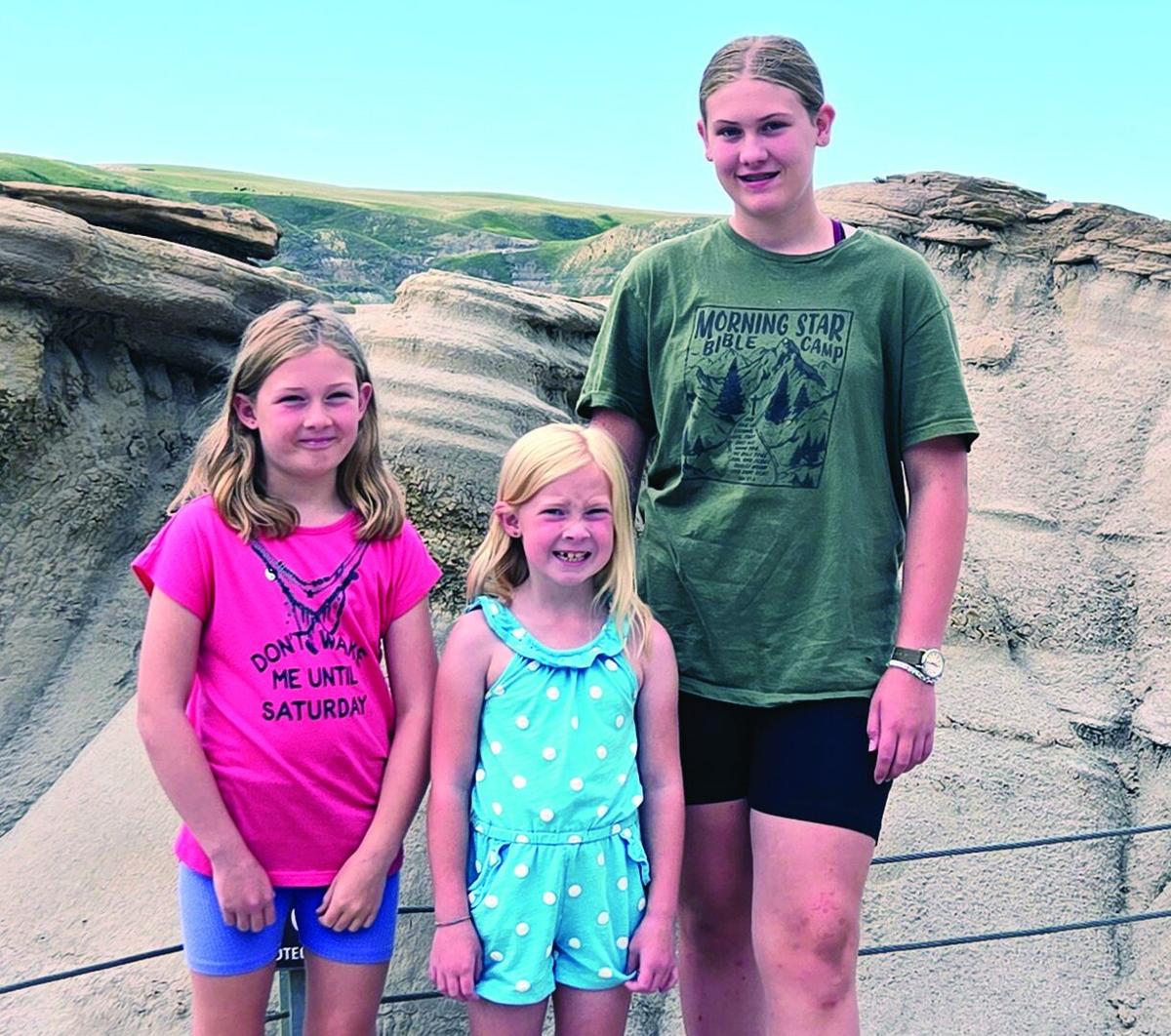
One West Kelowna couple is concerned that progress from years of advocating and treatment for their three autistic daughters will evaporate as the BC Ministry of Children and Family Development recently revealed an overhaul of the Children and Youth with Support Needs framework. “Families told us repeatedly they wanted better access to the right supports, more choice and flexibility and a system with sustained investment and stronger accountability,” read an emailed statement from the Ministry of Child and Family Development to the Kelowna Courier. “This new approach is designed to build a fairer system that lifts all children in our province, while providing the most support to those who need it most.” The government will be phasing out the Autism Funding Program and bringing in two new direct funding programs. The Child and Youth Disability Benefit offers two tiers of funding for families with children up to 19 years with the highest functional support needs The BC Children and Youth Disability Supplement is an income tested supplement that offers a maximum of $6,000 per year per child for families with an adjusted net income of less than $50,000. The amount is reduced for families with an adjusted net income above that. Qualification is also based on eligibility for the Federal Disability Tax Credit. Dustin Herbst and his wife Corey fear they will lose the funding for their three daughters diagnosed with autism spectrum disorder because the children are not disabled enough. Currently, the Herbsts receive $6,000 per child per year in autism funding from the province to spend on therapies and equipment for their daughters. They spend all $18,000 of the funding, plus pay over $16,000 out of pocket for the therapies their daughters need, including occupational therapy, counselling and behavioural intervention. Because their daughters are deemed low support and don’t have an intellectual disability, Herbst said the family will not qualify for the new BC Children and Youth Disability Benefit. “Our children are high functioning, well masking daughters because of all the therapy we have done since their diagnoses and before,” he said. Families who don’t qualify for the Child and Youth Disability Benefit will be prioritized for free community-based services provided through child development centres and community-based organizations. The BC government is providing $80 million over three years to expand these services. “You can throw literally $800 billion at it. You can’t get blood from a stone.” said Herbst, noting wait times to see a qualified professional such as a speech language pathologist, occupational therapist or behavioural interventionist are already months to years long as there is a shortage of qualified staff. Children who have autism need consistent therapy with the same therapist every week, said Corey. It has taken the family almost two years to find a private counsellor their oldest daughter can connect with. Moving to community-based services means the family will lose their current private therapists; however, to continue to pay for therapies out of pocket would cost the family over $33,000 a year. “I already work a tremendous amount of overtime in my profession,” said Herbst. “I just physically can’t work any more. I’d be working day and night.” Suzanne Perreault, the executive director of AutismBC, an autistic led advocacy organization that supports autistic people and their families, said autistic children work harder than the world will ever understand. High-functioning autistic children are frequently highly anxious and struggle with transition and adapting to different spaces. “Their daughters are going to regress, the family structure is going to be strained,” she said. “The downward pressure on the family structure is astronomical, especially in our climate of economy in BC, when mortgages and rent are through the roof,” The ripple effect from the change in funding for high functioning autistic children is profound, said Perreault. It isn’t restricted to the child; it weeps into the family system and then it leaks into communities, even impacting the workforce long term. “The majority will be able to go out and work if they have enough support at the front end, and we need to recognize that,” she said. Under the new system individualized funding is expanding from $190 million a year to over $326 million a year for an investment of $475 million. The ministry said the vast majority of families currently receiving funding will continue to receive direct financial support through one or both of the new programs and one-third of families currently receiving funding will receive more under the new system. Extending support for disabled children with diagnoses like Down Syndrome or Fetal Alcohol Syndrome with intellectual disability, who previously did not receive financial support, is being celebrated. BC Premiere David Eby backed down on changes to autism funding in 2022, committing to maintaining individualized funding for those with an autism diagnosis, even after 2025. The Herbsts would like to see the government back down again and reinstate individual funding for autism as well as support those children who previously had little to no support in funding. “Don’t steal from Peter to pay Paul,” said Herbst. The ministry said the changes were made through years of engagement with over 5,000 participants. Perreault said AutismBC has received a deluge of emails following the funding change announcement that identified the organization as an engaged partner. Perreault pointed to the community engagement report showing AutismBC was part of the BC Disability Collaborative that evaluated how to better advocate for disabled children, youth and their families, not discuss funding. AutismBC has been in contact with the ministry and Perreault hopes to keep autism funding in place for children that are already funded and then move forward. “We’re talking, they’re listening, without a doubt,” said Perreault. “But I can’t predict that there’s going to be some movement.” All families, regardless of income, will continue to access direct funding under the old system until March 31, 2027.

One West Kelowna couple is concerned that progress from years of advocating and treatment for their three autistic daughters will evaporate as the BC Ministry of Children and Family Development recently revealed an overhaul of the Children and Youth with Support Needs framework. “Families told us repeatedly they wanted better access to the right supports, more choice and flexibility and a system with sustained investment and stronger accountability,” read an emailed statement from the Ministry of Child and Family Development to the Kelowna Courier. “This new approach is designed to build a fairer system that lifts all children in our province, while providing the most support to those who need it most.” The government will be phasing out the Autism Funding Program and bringing in two new direct funding programs. The Child and Youth Disability Benefit offers two tiers of funding for families with children up to 19 years with the highest functional support needs The BC Children and Youth Disability Supplement is an income tested supplement that offers a maximum of $6,000 per year per child for families with an adjusted net income of less than $50,000. The amount is reduced for families with an adjusted net income above that. Qualification is also based on eligibility for the Federal Disability Tax Credit. Dustin Herbst and his wife Corey fear they will lose the funding for their three daughters diagnosed with autism spectrum disorder because the children are not disabled enough. Currently, the Herbsts receive $6,000 per child per year in autism funding from the province to spend on therapies and equipment for their daughters. They spend all $18,000 of the funding, plus pay over $16,000 out of pocket for the therapies their daughters need, including occupational therapy, counselling and behavioural intervention. Because their daughters are deemed low support and don’t have an intellectual disability, Herbst said the family will not qualify for the new BC Children and Youth Disability Benefit. “Our children are high functioning, well masking daughters because of all the therapy we have done since their diagnoses and before,” he said. Families who don’t qualify for the Child and Youth Disability Benefit will be prioritized for free community-based services provided through child development centres and community-based organizations. The BC government is providing $80 million over three years to expand these services. “You can throw literally $800 billion at it. You can’t get blood from a stone.” said Herbst, noting wait times to see a qualified professional such as a speech language pathologist, occupational therapist or behavioural interventionist are already months to years long as there is a shortage of qualified staff. Children who have autism need consistent therapy with the same therapist every week, said Corey. It has taken the family almost two years to find a private counsellor their oldest daughter can connect with. Moving to community-based services means the family will lose their current private therapists; however, to continue to pay for therapies out of pocket would cost the family over $33,000 a year. “I already work a tremendous amount of overtime in my profession,” said Herbst. “I just physically can’t work any more. I’d be working day and night.” Suzanne Perreault, the executive director of AutismBC, an autistic led advocacy organization that supports autistic people and their families, said autistic children work harder than the world will ever understand. High-functioning autistic children are frequently highly anxious and struggle with transition and adapting to different spaces. “Their daughters are going to regress, the family structure is going to be strained,” she said. “The downward pressure on the family structure is astronomical, especially in our climate of economy in BC, when mortgages and rent are through the roof,” The ripple effect from the change in funding for high functioning autistic children is profound, said Perreault. It isn’t restricted to the child; it weeps into the family system and then it leaks into communities, even impacting the workforce long term. “The majority will be able to go out and work if they have enough support at the front end, and we need to recognize that,” she said. Under the new system individualized funding is expanding from $190 million a year to over $326 million a year for an investment of $475 million. The ministry said the vast majority of families currently receiving funding will continue to receive direct financial support through one or both of the new programs and one-third of families currently receiving funding will receive more under the new system. Extending support for disabled children with diagnoses like Down Syndrome or Fetal Alcohol Syndrome with intellectual disability, who previously did not receive financial support, is being celebrated. BC Premiere David Eby backed down on changes to autism funding in 2022, committing to maintaining individualized funding for those with an autism diagnosis, even after 2025. The Herbsts would like to see the government back down again and reinstate individual funding for autism as well as support those children who previously had little to no support in funding. “Don’t steal from Peter to pay Paul,” said Herbst. The ministry said the changes were made through years of engagement with over 5,000 participants. Perreault said AutismBC has received a deluge of emails following the funding change announcement that identified the organization as an engaged partner. Perreault pointed to the community engagement report showing AutismBC was part of the BC Disability Collaborative that evaluated how to better advocate for disabled children, youth and their families, not discuss funding. AutismBC has been in contact with the ministry and Perreault hopes to keep autism funding in place for children that are already funded and then move forward. “We’re talking, they’re listening, without a doubt,” said Perreault. “But I can’t predict that there’s going to be some movement.” All families, regardless of income, will continue to access direct funding under the old system until March 31, 2027.