
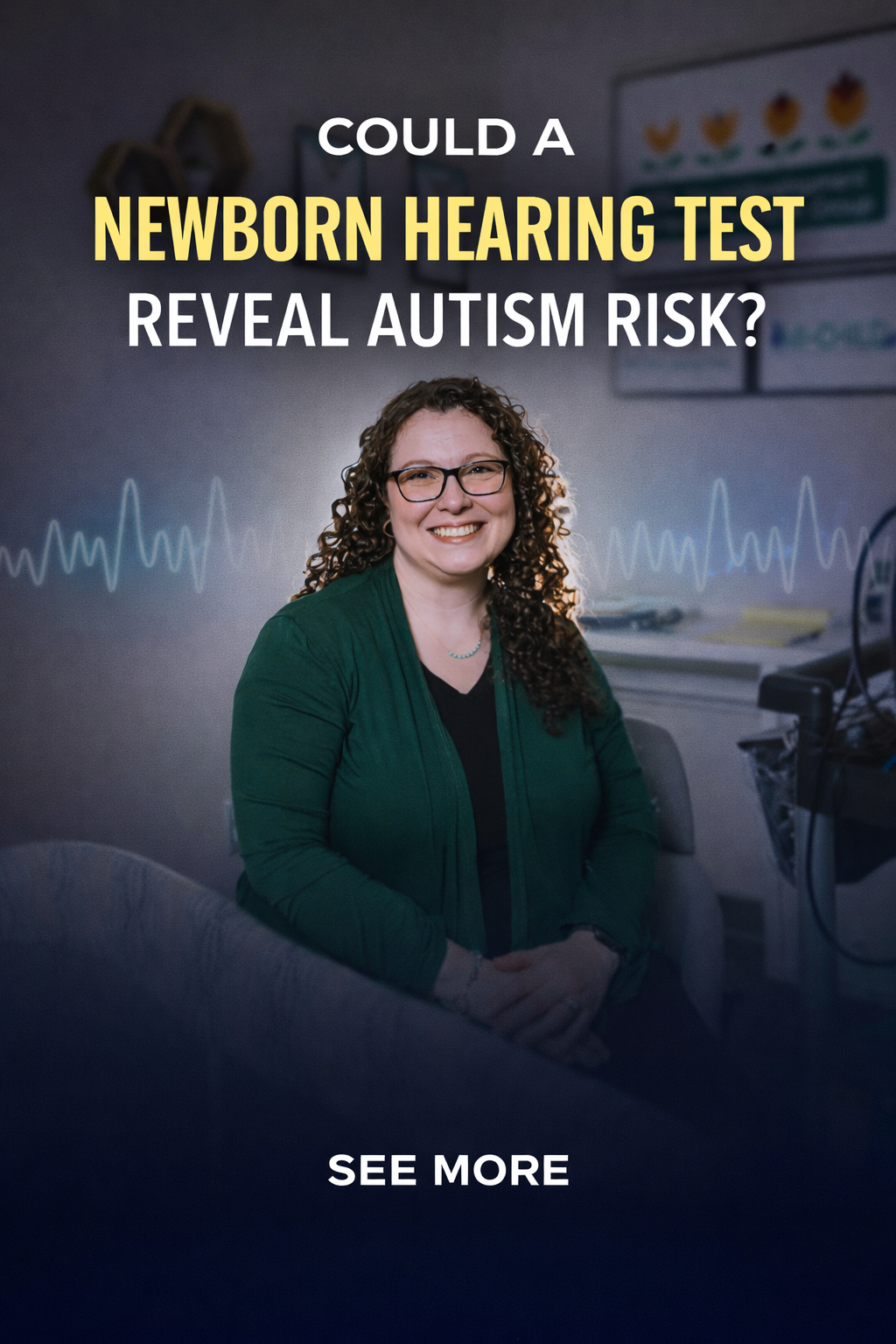
 Hearing tests administered to most newborn babies in Michigan could hold clues to which ones might later be diagnosed with neurodevelopmental conditions, such as autism spectrum disorder.
Such a finding could identify at-risk children who could benefit from early interventions, and support their participation in family, school, and community activities, said Nicole Talge, PhD, a College of Human Medicine developmental psychologist and associate professor of epidemiology and biostatistics.
“That really is the over-arching goal, to identify these children earlier than they might otherwise have been,” said Talge, whose research examines the biological and environmental factors that can impact a child’s neurological development.
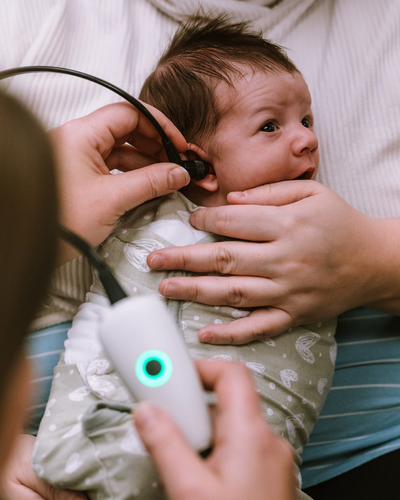
Before leaving the hospital, most newborns are screened for possible hearing loss with an auditory brainstem response test during which tiny earphones are placed in their ears and electrodes are attached to their heads to measure how the nerves and brain respond to sounds.
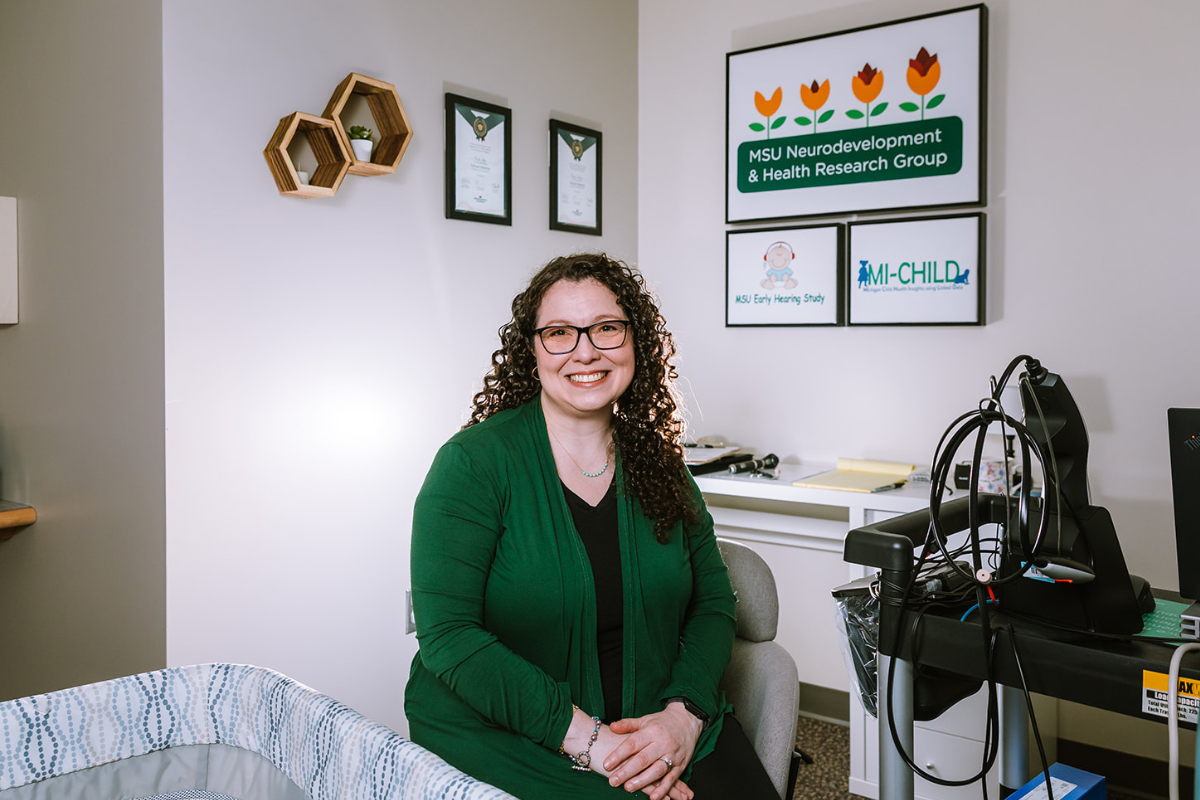 On a personal note, Talge discovered during her research that she has experienced hearing loss requiring her to wear hearing aids.
The test generates waves on a computer screen, which Talge believes could hold subtle clues to which babies are at-risk of developing autism. Her earlier research has shown an association between hearing loss and autism spectrum disorder.
“There may be helpful information in these waves,” Talge said. “I am hoping that this information could help parents and health care providers advocate for earlier intervention.”
Intervention could include accommodations and strategies to help autistic children adapt and more easily participate in their families, schools, and communities.
Talge has published many studies on the long-term effects of preterm births, low birth weight, maternal stress, and other factors that can adversely affect the neurological health of children, including two funded by grants from the National Institutes of Health. Her current study is enrolling mid-Michigan babies who have older siblings previously diagnosed with autism, since some cases have a familial link.
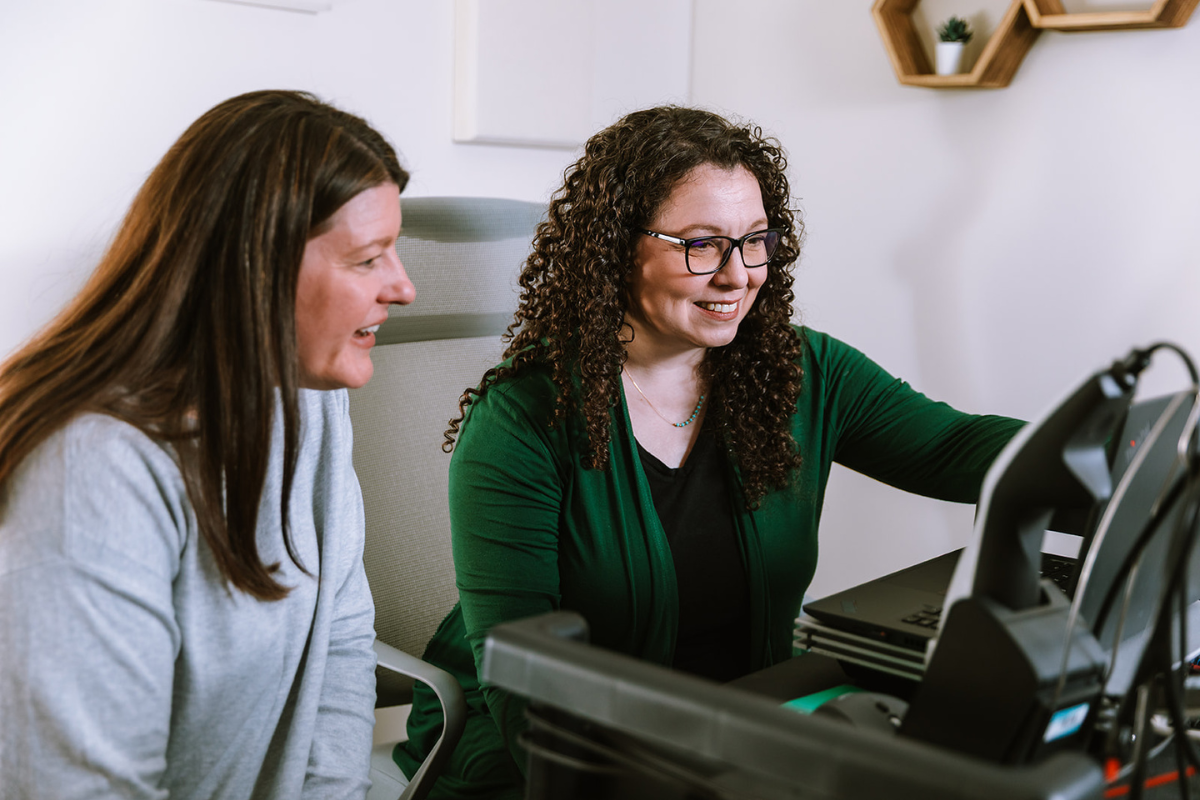 In her studies, Talge partners with several institutions, including Lansing-area hospitals, the Michigan Department of Health and Human Services, and the MSU Institute for Health Policy.
“This work would not be possible without my collaborators, the College of Human Medicine, and my department, along with our participating parents, and their children,” she said.
Such studies can take a long time but ultimately can improve the lives of autistic children and adults.
“This is just the starting point,” Talge said. “We hope that our work helps improve access to services that come with an earlier diagnosis and promote the health and wellbeing of children and their families in the process.”