
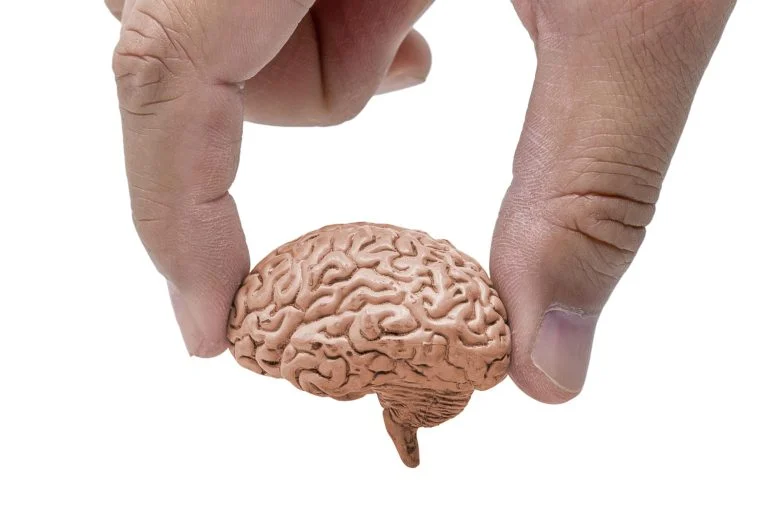
Most people want autism breakthroughs—but few know the crucial role brain donation plays in making them happen.
Autism BrainNet has released new survey results showing a striking gap between public support for autism research and understanding of how that research actually happens. While most Americans recognize the importance of studying the autistic brain, far fewer are aware of the role brain donation plays in advancing scientific knowledge.
According to the survey, 92 percent of respondents said analyzing the autistic brain is extremely or very important. Yet 70 percent reported they had never heard of brain donation. This disconnect suggests that many people support progress in autism research without realizing what is required to move it forward.
Brain Donation Awareness Lags Behind Organ Donation
The survey also found a clear difference between awareness of brain donation and organ donation. More than 80 percent of respondents are familiar with organ donation, and over half are registered organ donors. However, only 15 percent know that brain donation is not included when signing up as an organ donor. It is a separate process that must be arranged independently.
“For researchers who study autism and related neurodevelopmental conditions, postmortem brain tissue is a critical scientific resource that cannot be replicated by artificial intelligence, imaging technologies, or even animal experiments,” explained David G. Amaral, Ph.D., Scientific Director of Autism BrainNet and UC Davis Distinguished Professor. “At Autism BrainNet, our goals are to facilitate the highest quality autism research, provide accurate information about brain donation to individuals and families, and increase comfort with planning for donation before a time of bereavement.”
Survey Reveals Confusion About Process and Eligibility
The survey, conducted February 26 through March 2, 2026, with 1,007 respondents, highlights widespread misunderstandings about how brain donation works. Fewer than half of the participants knew that the donation must take place within hours after death, not days or weeks later. A small number even believed donation could occur while a person is still alive.
There is also confusion about who can donate. Nearly one-third of respondents incorrectly thought that certain conditions, including autism or epilepsy, would prevent someone from donating. In reality, these brains are especially valuable for researchers, who need a diverse range of samples to better understand neurological conditions.
A Personal Story Behind Brain Donation
“My younger, autistic brother Ed led a rich and happy life, surrounded by friends and family who adored him and appreciated his many interests and his big, loving character,” said Kathy Stein, who donated her brother’s brain to Autism BrainNet. “When he passed, I donated his brain because it is a positive way to acknowledge what a wonderful person he was and to extend his legacy. Imagine how much we can learn about the biological causes of autism and related neurodegenerative disorders through his contribution.”
Public Education Efforts and Upcoming AMA
To help address these knowledge gaps, Autism BrainNet plans to host an “Ask Me Anything” session on Reddit during Autism Acceptance Month. The event will take place on April 29 from 12 to 2 pm ET and will feature Dr. David Amaral along with Dr. Alycia Halladay, Chief Science Officer of the Autism Science Foundation. They will answer questions about brain donation, including how to become a donor and what the process involves.
Dr. Amaral added, “Brain donation is for research purposes only, not for transplantation. While brain donation is not included in organ donor registries, brain donors can also be organ and tissue donors, and brain donation is not limited by most medical conditions. In fact, we most need postmortem brains from autistic people and those with related neurodevelopmental conditions to advance research. That’s why we encourage autistic adults, families, and care partners to learn more about Autism BrainNet.”
Who Can Donate and What Families Should Know
Autism BrainNet accepts donations from people with a diagnosis of autism, even when other diagnoses are present, from people with a genetic diagnosis associated with autism, whether or not they have a diagnosis of autism, and from nonautistic people. To maintain the scientific value of the tissue, donations should ideally occur within 48 hours after death, although later donations may still be possible.
There is no cost to families, and Autism BrainNet manages all logistics. Brain donation also does not interfere with funeral arrangements, allowing families to honor their loved ones while contributing to research that could lead to future breakthroughs.