

Dogs pant to cool themselves down—but if your dog is panting heavily without exercise, heat, or excitement, it can be confusing and sometimes concerning. While occasional panting is harmless, unexplained or persistent panting may signal stress, pain, overheating, or an underlying medical condition.
Because dogs can’t tell us when something feels wrong, changes in breathing are important clues.
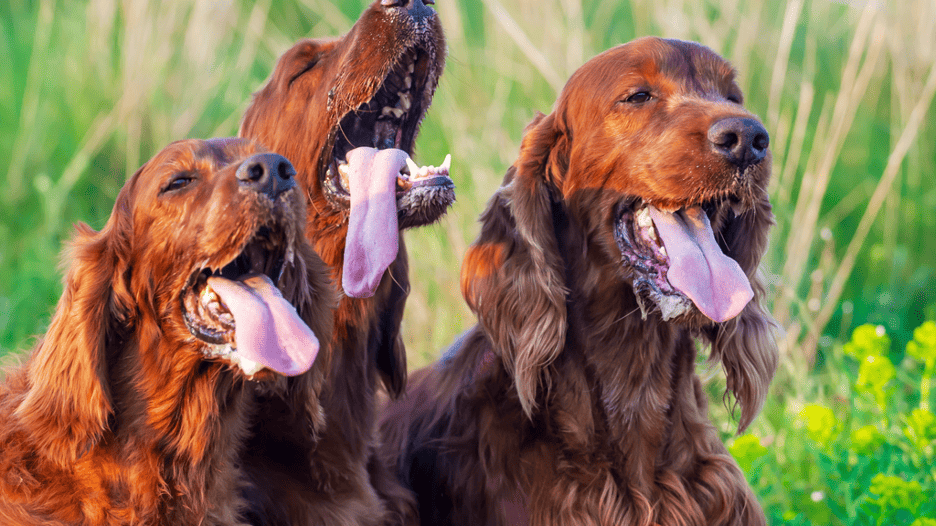
🦴 Common Reasons Dogs Pant “For No Reason”
1. Anxiety or Stress
Dogs often pant when feeling:
- Nervous
- Overstimulated
- Scared or anxious
Triggers can include:
- Loud noises
- Being left alone
- Visitors or changes at home
Stress panting is often paired with pacing, whining, or restlessness.
2. Pain or Discomfort
Panting can be one of the first signs of pain from:
- Injury
- Arthritis
- Stomach discomfort
- Internal illness
⚠️ Dogs frequently hide pain, so panting may be the only visible symptom.
3. Overheating
Even indoors, dogs may overheat if:
- The room is warm
- They have thick fur
- They’re overweight
- They’re brachycephalic (short-nosed)
Panting is the body’s main cooling mechanism.
4. Medical Conditions
Persistent panting may also be linked to:
- Heart disease
- Lung problems
- Fever or infection
- Cushing’s disease
- Anemia
⚠️ Panting at rest should never be ignored if it becomes frequent.
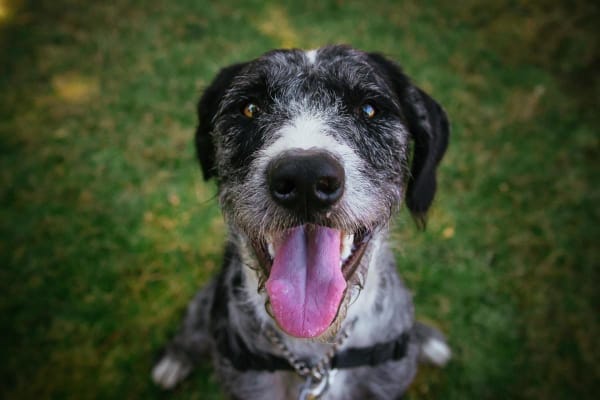
5. Medication Side Effects
Certain medications, especially:
- Steroids
- Pain medications
- Anxiety drugs
can increase panting in some dogs.
6. Age-Related Changes
Senior dogs may pant more due to:
- Chronic pain
- Reduced stamina
- Cognitive decline or nighttime confusion
Older dogs deserve closer monitoring when breathing changes occur.
🐕 Warning Signs That Need Attention
Contact your veterinarian if panting is accompanied by:
- Rapid breathing while resting
- Pale or blue gums
- Coughing
- Weakness or collapse
- Loss of appetite
🚑 These may indicate an emergency.
🏠 What You Can Do at Home
- ❄️ Keep the environment cool and calm
- 💧 Provide fresh water
- 🛏️ Encourage rest
- 👀 Track when the panting happens and how long it lasts
Recording a video can help your vet assess breathing patterns.

🚑 When to See a Veterinarian Immediately
Seek urgent care if your dog:
- Struggles to breathe
- Pants excessively at rest
- Appears distressed or confused
- Has sudden severe panting without explanation
Breathing problems can worsen quickly.
🐾 Final Thoughts
A dog panting “for no reason” usually does have a reason—even if it’s not obvious at first. Whether it’s stress, pain, or illness, persistent panting is your dog’s way of telling you something may be wrong. Paying attention early can make all the difference.