
Introduction
For many people, having a drink at a party or after work feels harmless. But for individuals with Attention-Deficit/Hyperactivity Disorder (ADHD), social drinking can quietly turn into a difficult cycle to break. What starts as “just one drink” often becomes several—especially in social settings where stimulation, pressure, and impulsivity collide.
Understanding why ADHD makes social drinking harder to control is the first step toward awareness, healthier choices, and real change.
Why Social Drinking Hits Harder for People With ADHD

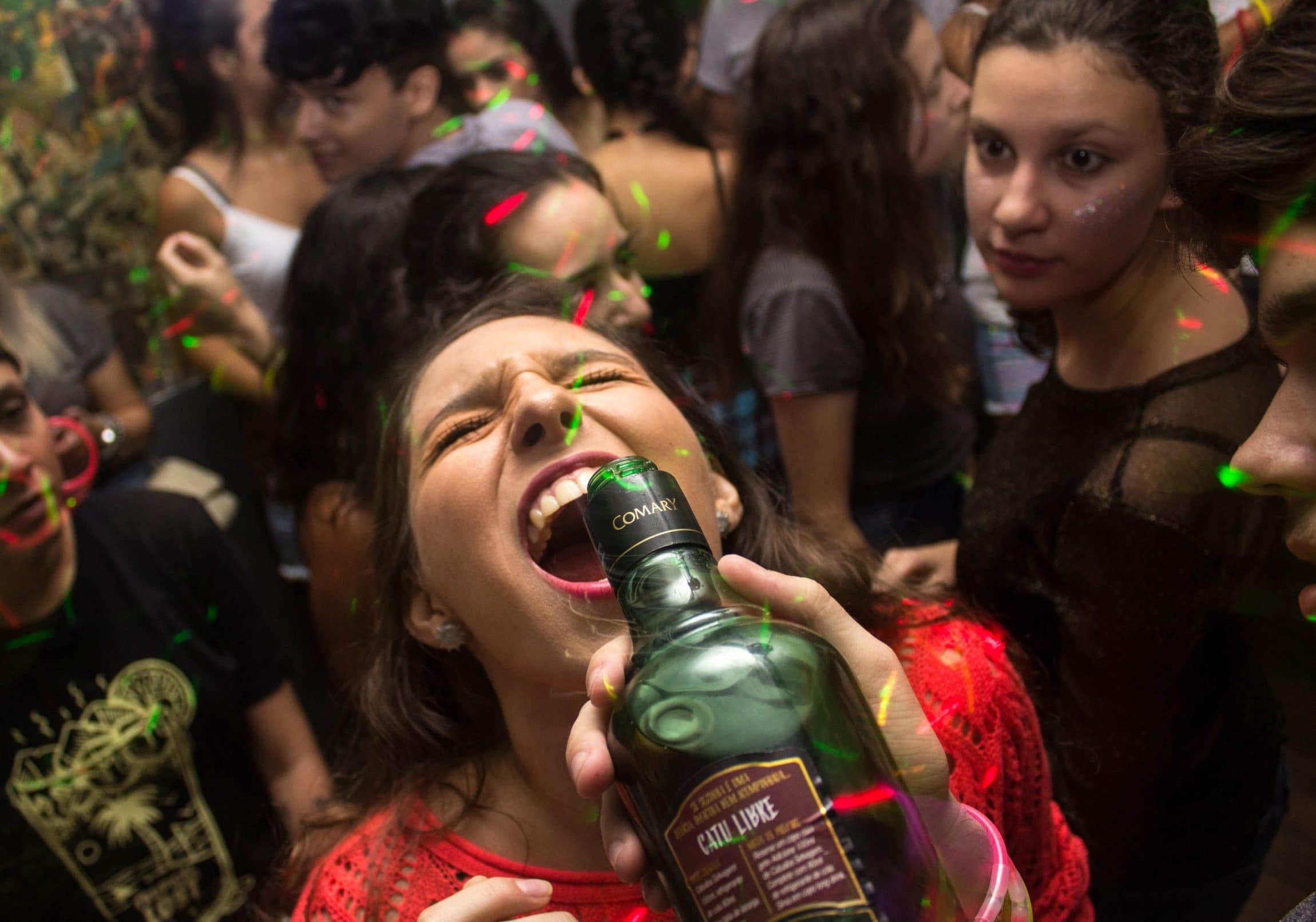

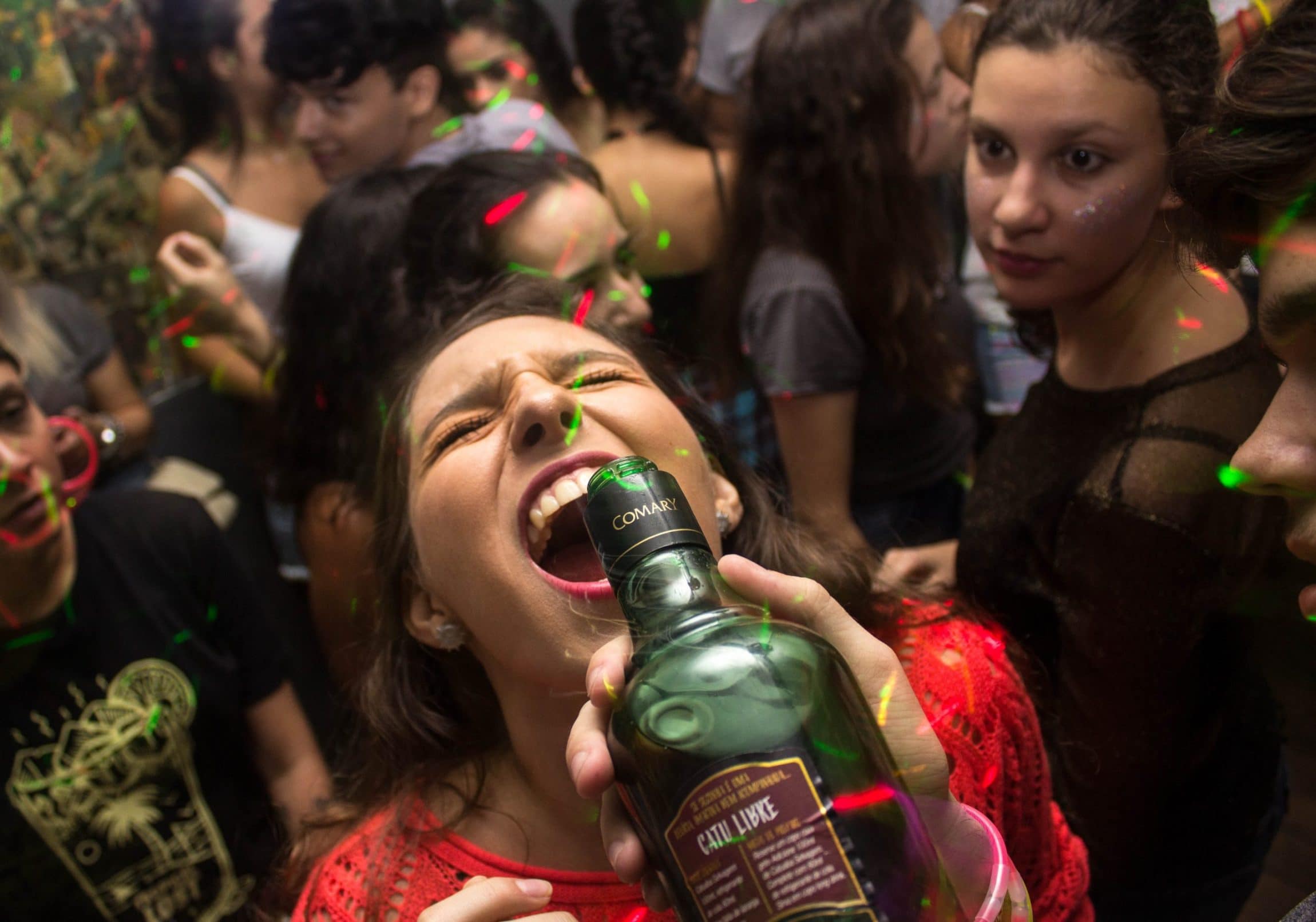
Image caption: Social environments amplify dopamine-seeking behaviors, making alcohol especially tempting for people with ADHD.
1. Dopamine Seeking and Instant Relief
ADHD is strongly linked to lower baseline dopamine levels. Alcohol temporarily boosts dopamine, creating:
-
A sense of calm
-
Increased confidence
-
Reduced social anxiety
In social situations, this relief can feel powerful—and memorable—making the brain crave repetition.
2. Impulsivity Makes “Just One” Unrealistic
Impulsivity is a core ADHD symptom. In social settings, it can lead to:
-
Drinking faster than others
-
Difficulty stopping once started
-
Saying “yes” to another round without thinking
Alcohol further weakens impulse control, creating a feedback loop that’s hard to interrupt.
3. Social Masking and Alcohol as a Tool
Many adults with ADHD use alcohol to:
-
Feel “more normal” in conversations
-
Slow racing thoughts
-
Reduce self-consciousness
Over time, alcohol becomes less about enjoyment—and more about coping.
The Hidden Social Pressures
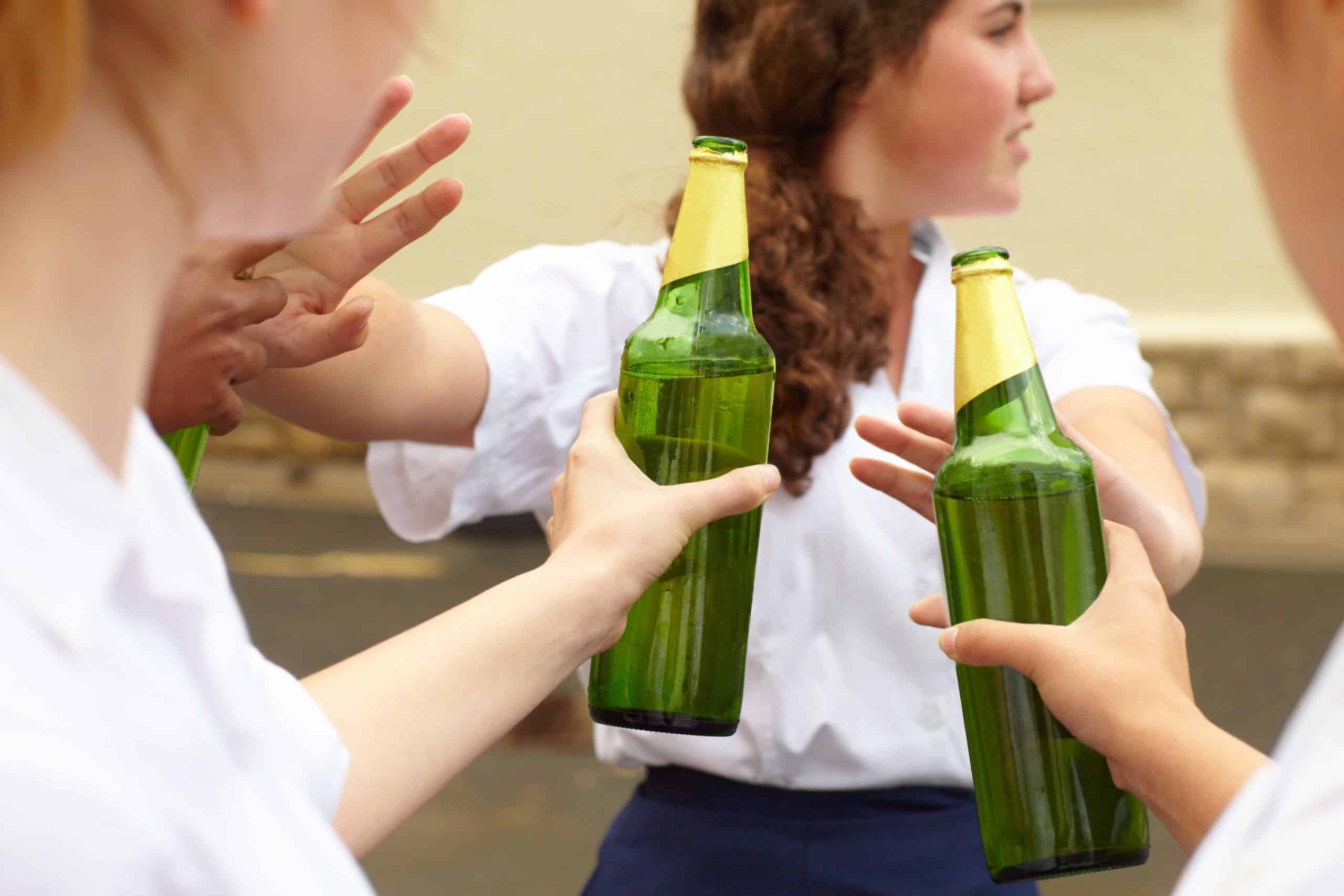


Image caption: Peer pressure and social expectations can make it harder to set boundaries around drinking.
In group settings:
-
Saying no may feel awkward
-
Matching others’ pace feels expected
-
Leaving early feels like failure
For someone with ADHD—already sensitive to rejection—these pressures are magnified.
Why Stopping Feels So Difficult
Emotional Dysregulation
Alcohol may temporarily numb intense emotions, but afterward it often:
-
Worsens mood swings
-
Increases guilt or shame
-
Disrupts sleep and focus
Routine Triggers
Social drinking becomes tied to:
-
Weekends
-
Work stress
-
Celebrations
The brain learns to associate connection with alcohol.
When Social Drinking Becomes a Risk


Image caption: What begins as social drinking can quietly evolve into emotional dependence.
Warning signs include:
-
Drinking mainly to feel comfortable around others
-
Feeling anxious about social events without alcohol
-
Struggling to stop even when you want to
Healthier Ways to Navigate Social Situations With ADHD
-
Plan a limit before the event (and stick to it)
-
Hold a non-alcoholic drink to reduce social pressure
-
Arrive late or leave early to avoid peak drinking time
-
Focus on activities, not just conversation
-
Address ADHD directly with therapy, coaching, or medical support
Alcohol isn’t the problem—relying on it to manage ADHD symptoms is.
Final Thoughts
ADHD doesn’t cause addiction—but it can make certain habits harder to control, especially in social environments built around alcohol. Recognizing the connection between ADHD and social drinking isn’t about blame. It’s about understanding your brain, protecting your well-being, and finding better ways to connect—without losing control.