
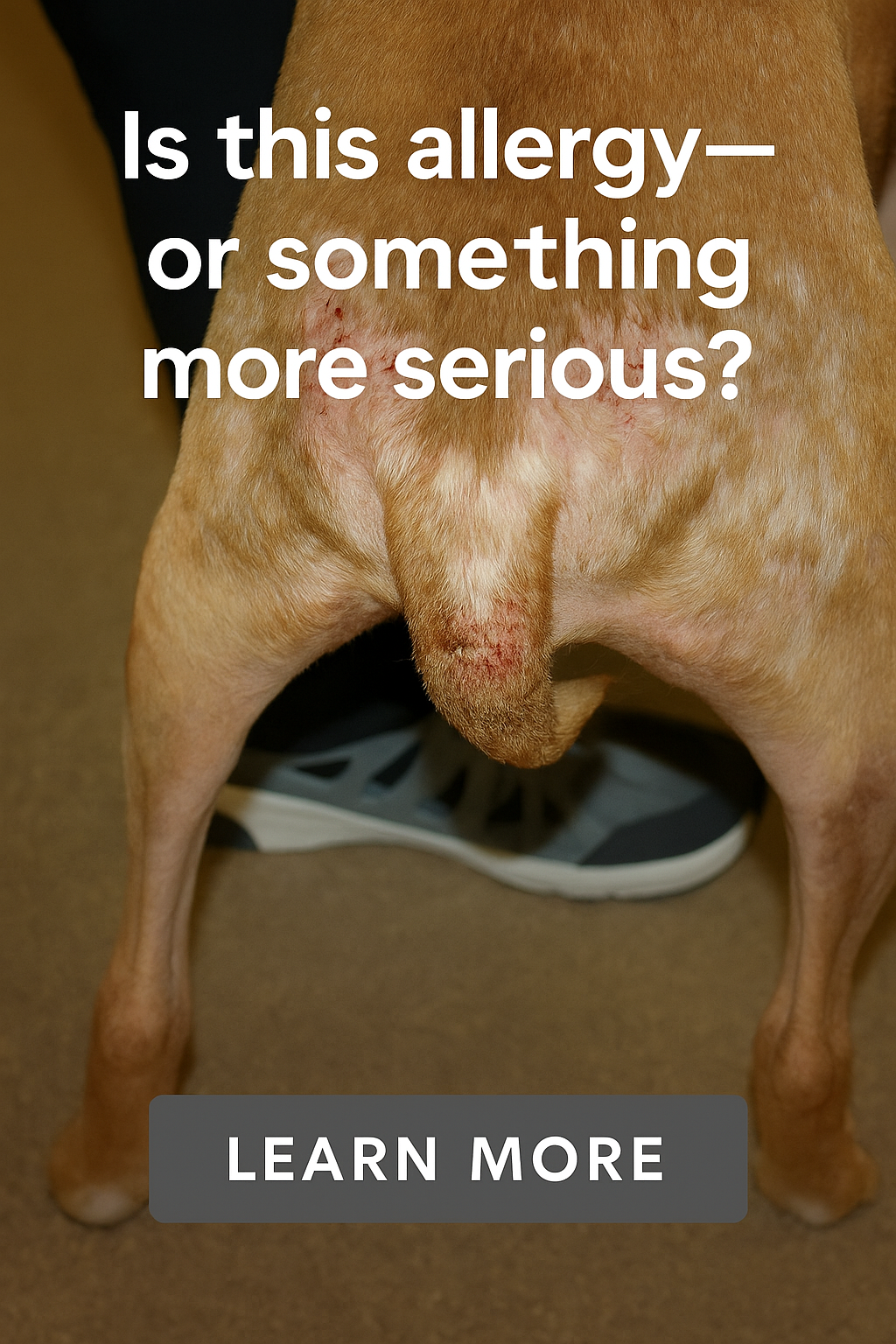
Allergies or Something More Serious? Why Your Dog Keeps Chewing Their Tail
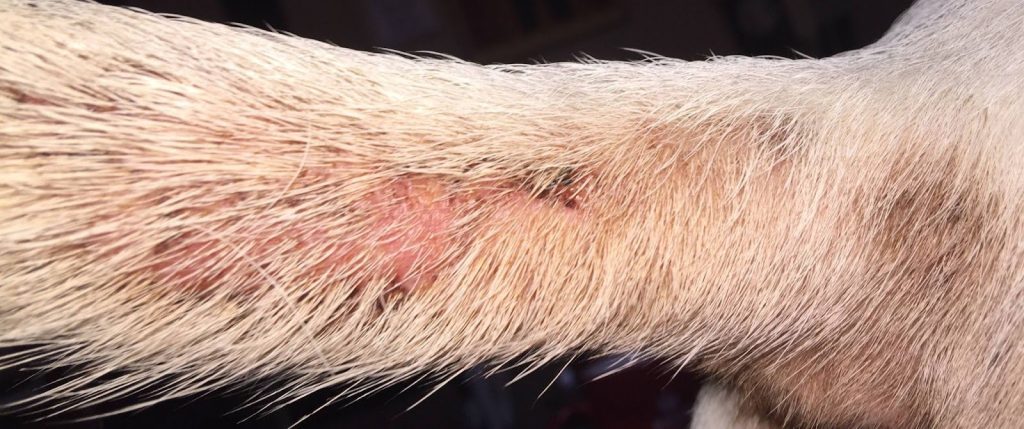

If your dog is chewing, licking, or gnawing at their tail nonstop, it’s usually a sign that something is bothering the skin—itchiness, irritation, or in some cases, pain or infection.
Tail-chewing is extremely common, but understanding what’s causing it is the key to stopping it.
Here are the most common reasons dogs obsessively chew their tail and how to tell the difference.
1️⃣ Flea Allergy Dermatitis (FAD) — The #1 Cause

Even a single flea bite can trigger a massive allergic reaction in sensitive dogs.
Signs:
• Tail base is red, irritated, or scabby
• Sudden intense chewing
• Small black specks (flea dirt)
• Hair loss over the lower back and tail
Fleas thrive in warm seasons, making tail-chewing peak in spring and summer.
2️⃣ Environmental Allergies (Atopy)
Grass, pollen, mold, dust mites
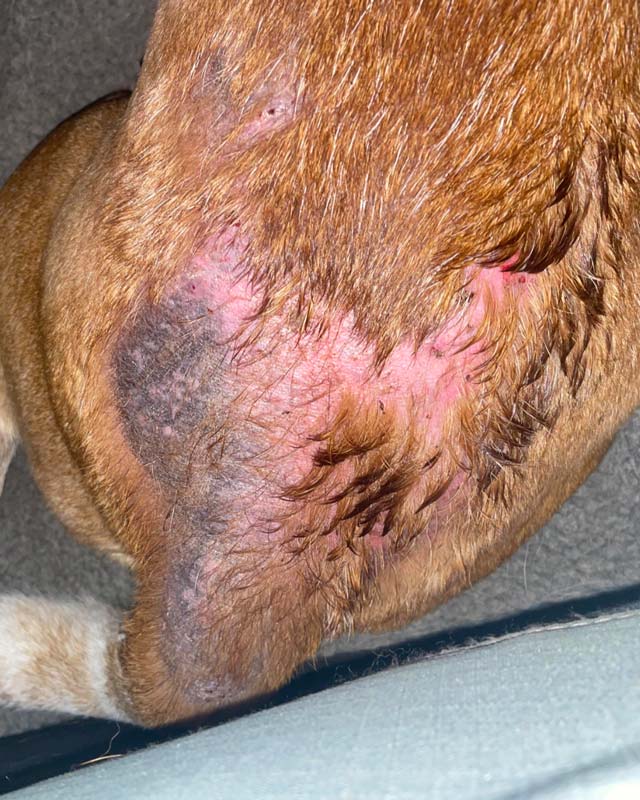
Just like humans, dogs develop seasonal or year-round allergies.
Signs:
• Tail chewing
• Red belly, armpits, or paws
• Ear infections
• Face rubbing or paw licking
When allergens peak, itchiness intensifies—especially at the tail base.
3️⃣ Food Allergies or Sensitivities
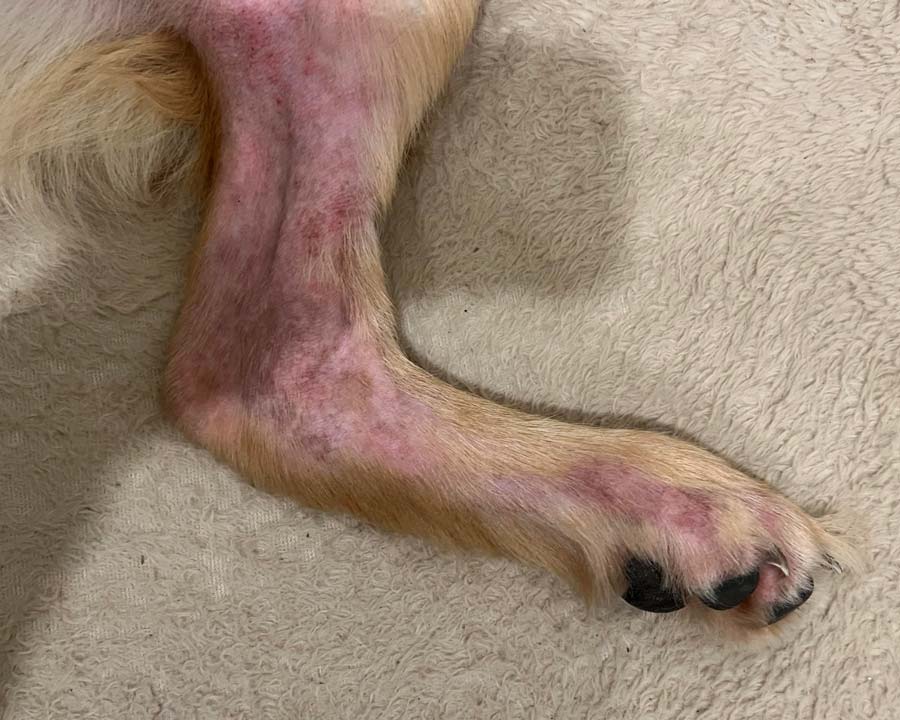
Dogs allergic to ingredients like chicken, beef, wheat, or dairy often show skin symptoms.
Signs:
• Chronically itchy tail
• Frequent scooting or bum rubbing
• Recurring diarrhea or soft stool
• Redness around tail and belly
If tail-chewing occurs right after meals → food allergy is suspicious.
4️⃣ Impacted or Irritated Anal Glands
A surprisingly common reason

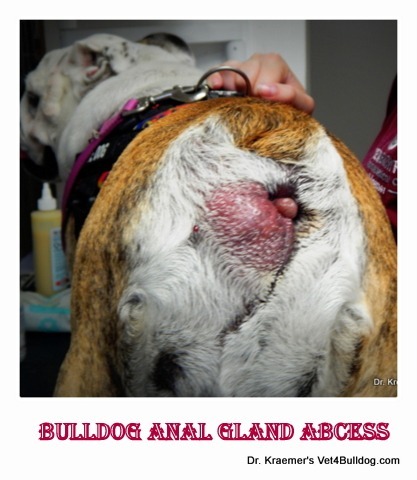
Impacted anal glands cause pressure and itchiness that dogs attempt to relieve by chewing the tail base.
Signs:
• Strong fishy odor
• Scooting on the floor
• Swollen area near the anus
• Tail chasing or biting
This issue worsens quickly without treatment.
5️⃣ Hot Spots (Acute Moist Dermatitis)
Fast-spreading, painful skin lesions


Hot spots can form within hours due to moisture, allergies, fleas, or stress.
Signs:
• Wet, oozing, red patch
• Strong odor
• Pain when touched
• Hair loss around the area
Immediate treatment is necessary before it spreads.
6️⃣ Stress, Boredom, or Anxiety
Some dogs chew their tail as a self-soothing behavior.
Signs:
• Chewing mostly when alone
• No rash but constant licking
• Destructive behavior
• Hyper-attachment to owner
These cases often require behavioral support.
📌 When Is It “Something More Serious”?
See a vet if you notice:
❗ Bleeding or open wounds
❗ Foul smells (possible infection)
❗ Hair loss spreading
❗ Swelling around the anal glands
❗ Fever or lethargy
❗ Tail chewing daily or worsening rapidly
Persistent tail-chewing nearly always has a medical cause that needs treatment.
📌 How to Help Your Dog at Home
✔ Use year-round flea prevention
✔ Clean and dry the tail area after outdoor play
✔ Switch to a limited-ingredient diet if food allergy is suspected
✔ Provide enrichment toys to reduce boredom
✔ Add omega-3 supplements for skin health
For stubborn cases, vets may prescribe:
• Anti-itch medication (Apoquel, Cytopoint)
• Antibiotics or antifungals
• Anal gland expression
• Allergy testing