
WINTER PARK, Fla. — It’s a shocking reality: each year, there are more than 4,000 drowning deaths across the country, according to the CDC.
The state of Florida consistently ranks among the states with the highest unintentional drowning deaths each year.
Children with autism are 160 times more likely to drown compared to their neurotypical peers, according to the National Autism Association. Kids with autism are drawn to water.
“It is a sensory decompression for them,” said Silvia Haas, the CEO and co-founder of OCA (Opportunity, Community, Ability).
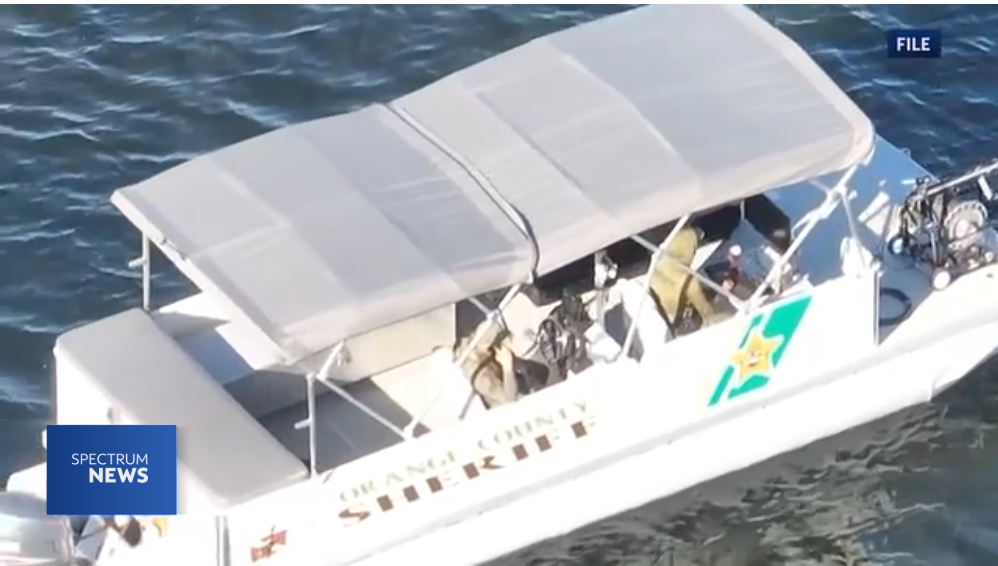
Last week in Maitland, a 13-year-old boy with autism was found dead after he wandered away from home and over to a lake. According to the Autism Society, children with autism are four times more likely to wander than their neurotypical siblings.
“They escape quickly,” Haas said.
There are two keys to try to prevent tragedy. First, put preventative measures in place at home. The Florida Health death review in 2025 found that of the children who drowned, more than half were last seen in the house and nearly half had no barrier like a door, fence, gate or alarm in place.
“They are the smartest people I know, they really are, and every time you think you have been able to fix a behavior or fix a scenario, they will find a new one, they are that quick and that fast,” Haas said.
The second priority: if they do wander off to the water, make sure they know how to swim.
“I cannot stress enough how important it is for families to have their child learn how to swim. It’s not only learning how to swim, but then to continue to make sure that that skill set doesn’t go away,” Haas said.
So far in 2026, 17 kids have died from drowning, five of them right here in Central Florida. Of the total, 29% are autistic, according to data from the Autism Society of Florida.
“When I saw that the first time I was like, ‘We have to do something about it,’” said Joe Auer, the president of the Blue Dolphins Foundation in Winter Park.
He wants to change the statistics, and through the organization, they offer free swim lessons. They are happening now through the summer.
“One-on-one is good, very good, it actually makes it a little faster, but also in a group setting, a small group setting, 2 or 3, they see what other kids are doing, and they try,” Auer said.
The goal is to get comfortable in the water, not to panic and know what to do in an emergency.
“We have a precious gift here, and we need help taking care of it,” Haas said.
There are a few programs for free swim lessons for kids of all abilities. Specifically, for kids with disabilities, they can join Special Olympics as young as eight to get them in the water and comfortable, no matter their skill level.