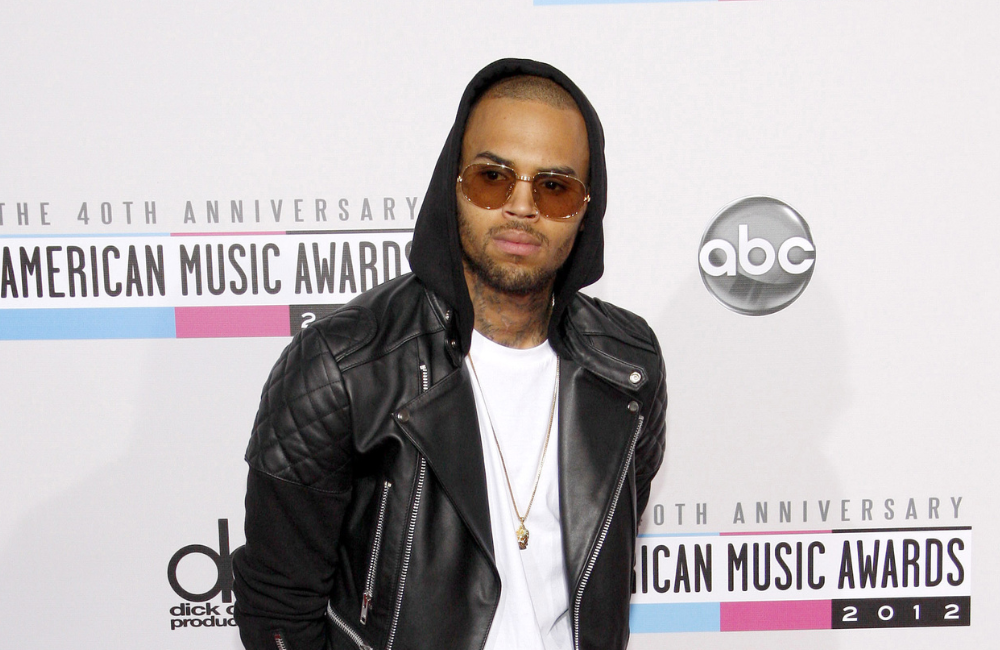


Brown’s attorneys have explicitly requested a court order barring the Avilas, their legal counsel, and any potential witnesses from introducing or referencing alleged incidents of domestic violence from his past. Central to their concern is the February 2009 assault case involving Rihanna, an incident that resulted in Brown pleading guilty to felony assault and serving five years of probation alongside community service and mandatory counseling.
According to court documents reviewed by U.S. Magazine, Brown’s legal team anticipates that opposing counsel may attempt to resurrect evidence related to the assault on the “Umbrella” singer. They argue that incidents occurring more than a decade ago bear no relevance to the current proceedings and should be considered improper and unduly prejudicial.
The legal filing emphasizes that admitting such evidence would create substantial risk of unfair prejudice and confusion, potentially swaying the jury based on inflammatory historical allegations rather than the facts specific to the dog attack case. Brown’s lawyers maintain that none of the prior accusations relate to the dog, the alleged bite incident, or any contested fact in the lawsuit.
The core of the lawsuit revolves around sharply conflicting narratives about what transpired when Maria Avila was allegedly attacked by Brown’s dog, Hades. In May 2025, his legal team presented evidence contradicting claims that he refused to assist Maria following the attack.
His attorneys submitted statements from Animal Control Officer Angela Hooks, who reported that both Brown and a security guard responded immediately upon hearing screams. According to this account, he called paramedics and personally restrained the dog to prevent further attacks, placing himself in potential danger during the chaotic situation.
Brown’s legal team has asserted that he acted swiftly and had no prior knowledge that Hades posed any threat to his staff. They cited testimony from security personnel describing the dog as consistently playful and friendly. However, Brown’s lawyers also allege that Maria disregarded explicit warnings from security staff about avoiding unsupervised contact with the dog, suggesting contributory negligence on her part.
Brown’s determination to keep his past sealed extends beyond the Avila lawsuit. Last April, he filed a defamation suit against Warner Bros over their documentary Chris Brown: A History of Violence, which he claims distorted facts about his personal history.
Warner Bros responded by citing extensively documented media coverage of Brown’s 2009 felony assault case, his guilty plea, and court-mandated counseling. The studio’s legal team argued that these matters constitute publicly available information and that the documentary enjoys protection under free speech laws. The studio’s attorneys also referenced his relationship with Karrueche Tran, which reportedly included allegations of abuse that resulted in a five-year restraining order granted in 2017, plus a reported altercation with Frank Ocean.
In a 2009 interview with Diane Sawyer, Rihanna provided a harrowing account of the assault that changed both their lives. She described looking into Brown‘s eyes during the attack and seeing emptiness, realizing in that moment that her decision to love could prove fatal.
The assault led to Brown’s arrest, conviction, and years of probation, community service, and domestic violence counseling. While he successfully returned to music, subsequent allegations have continued to damage his public image, including a 2023 case in London where he faced accusations of causing bodily harm with an offensive weapon at a nightclub.
Brown‘s legal team included portions of his February 2025 deposition transcript in their filings, where he acknowledged his criminal history, including the felony assault involving Rihanna. This admission underscores the challenge his attorneys face: the past is documented, public, and potentially damaging to their client’s defense in seemingly unrelated litigation.
As the Avila case proceeds toward trial, the central question remains whether Brown can convince the court that his documented history should remain locked away, separate from allegations that his dog caused serious harm to a former employee. The answer may determine not only the outcome of this $90 million lawsuit but also set precedent for how past conduct influences present-day justice.
Source: The Blast