
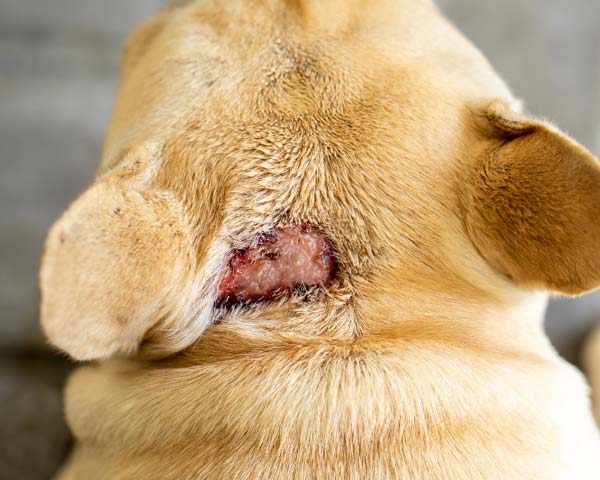
Hot spots—also known as acute moist dermatitis—are painful, fast-spreading areas of inflamed, infected skin.
If your dog keeps developing hot spots again and again, you’re not alone. They are one of the most common skin problems seen in dogs.
The good news?
Hot spots are treatable and preventable once you identify the underlying cause.
Below is a detailed guide to understanding why they happen and how to stop them for good.
1️⃣ What Exactly Is a Hot Spot?
A hot spot is a localized area where the skin becomes:
• Red
• Moist
• Oozing
• Painful
• Itchy
Dogs scratch, chew, or lick the spot, making it worse and spreading the infection.
Common locations:
• Neck
• Hips
• Chest
• Tail base
• Thighs
2️⃣ What Causes Constant Hot Spots?
Thanks to repeated irritation, hot spots can appear in hours, not days.
A. Allergies (Food, Environmental, Flea Bites)

Allergies trigger intense itching → dog scratches → skin breaks → bacteria invade → hot spot forms.
Common allergens:
• Chicken, beef, dairy
• Grass, pollen, mold
• Flea bites (even 1 bite can trigger a hotspot)
B. Moisture Trapped in the Coat

Swimming, bathing, or humid weather can create the perfect environment for bacterial growth.
Breeds with thick coats (Golden Retrievers, Labs, Huskies) are especially prone.
C. Parasites (Fleas, Ticks, Mites)
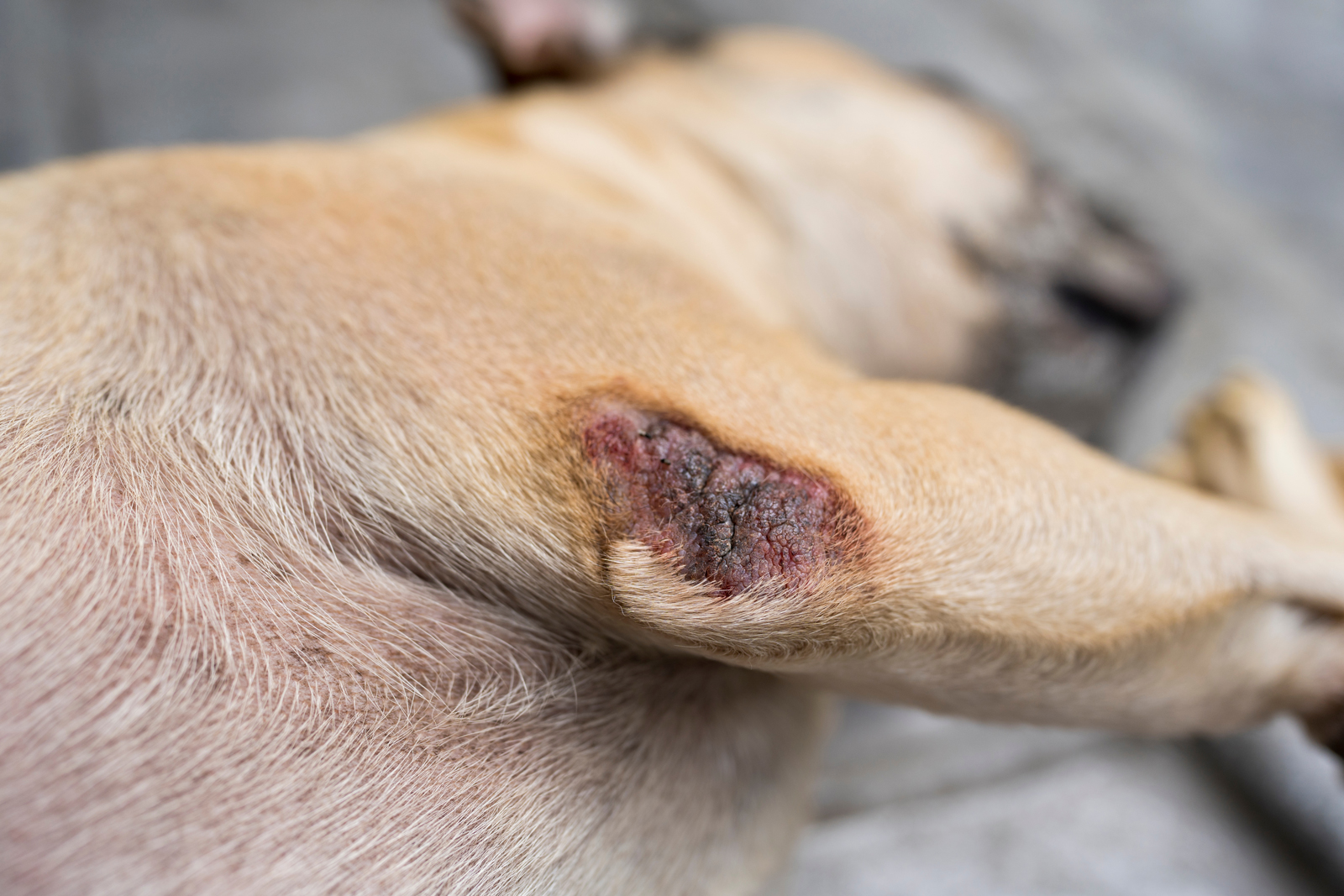
Parasites trigger itching → trauma → infection.
If your dog keeps getting hot spots, parasites must be ruled out.
D. Underlying Skin or Ear Infections

Dogs often scratch near painful areas, creating a hot spot near the underlying issue.
E. Anxiety, Stress, or Boredom

Some dogs compulsively lick or chew when stressed.
These behaviors rapidly lead to hot spots.
3️⃣ How Do I Treat Hot Spots?
At-home steps (if mild):
• Trim hair around the spot
• Gently clean with chlorhexidine
• Apply vet-approved topical spray
• Prevent licking with an e-collar
Most hot spots need veterinary care, especially if:
✔ Red and spreading
✔ Oozing or smelly
✔ Painful to touch
✔ Dog is lethargic or feverish
A vet may provide:
• Antibiotics
• Anti-itch medication
• Steroids
• Medicated wipes or shampoos
4️⃣ How Do I Prevent Hot Spots for Good?
✔ Control allergies
• Try a hypoallergenic diet
• Limit exposure to grass during flare-ups
• Use flea control year-round
✔ Keep your dog dry
• Dry thoroughly after baths/swimming
• Brush regularly to remove trapped moisture
✔ Manage anxiety
• Provide mental stimulation
• Exercise daily
• Consider calming aids if needed
✔ Regular grooming
• Prevent matting
• Improve airflow to skin
📌 When Should You Worry?
Seek a vet immediately if you see:
❗ Rapidly expanding red patch
❗ Thick pus or foul odor
❗ Your dog cries or snaps when touched
❗ Fever, lethargy, loss of appetite
Hot spots worsen fast—prompt care prevents severe infection.
💡 Final Thoughts
Hot spots are painful and frustrating, but with the right care and prevention, your dog can be hot spot–free long-term.
Addressing the root cause—not just the symptoms—is the key to stopping them permanently.