

Introduction
Overthinking is often described as “thinking too much,” but in the context of addiction, it can be far more damaging than it sounds. For people struggling with substance use or in recovery, overthinking can become a silent trigger—fueling anxiety, guilt, cravings, and ultimately increasing the risk of relapse. The question is not just whether overthinking makes addiction worse, but how this mental habit quietly reinforces the addictive cycle.
This article explores the psychological connection between overthinking and addiction, explains why the brain becomes trapped in repetitive thought loops, and shows how breaking this pattern can support long-term recovery.
What Is Overthinking, Really?



Overthinking usually takes two main forms:
-
Rumination – repeatedly replaying past mistakes, regrets, or failures
-
Worry – obsessively imagining future problems or worst-case scenarios
For someone with addiction, these thoughts often sound like:
-
“Why did I do this to myself?”
-
“What if I fail again?”
-
“I’ll never be normal.”
Instead of solving problems, overthinking keeps the brain stuck in a stress response—one that addiction has historically “helped” numb or escape.
How Overthinking Fuels Addiction


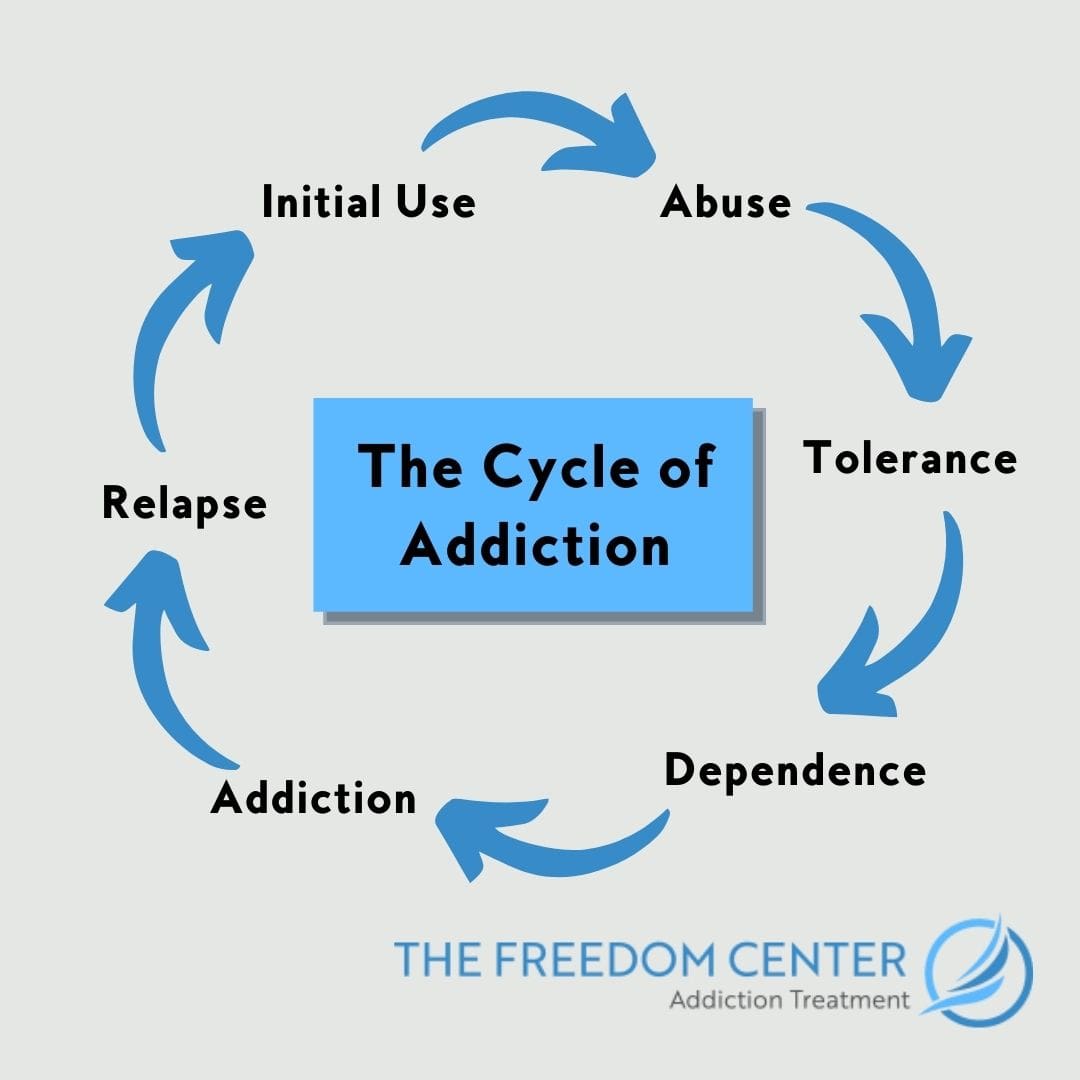
Overthinking doesn’t exist in isolation. It directly interacts with the brain’s reward and stress systems in ways that can intensify addictive behaviors.
1. It Increases Emotional Pain
Constant self-criticism and worry heighten feelings of shame, fear, and hopelessness—emotions strongly linked to substance use.
2. It Activates the Stress Response
Overthinking keeps cortisol levels elevated. Chronic stress is one of the most common relapse triggers, especially during early recovery.
3. It Strengthens Cravings
When the brain is overwhelmed, it instinctively seeks relief. Substances once provided fast emotional escape, so cravings resurface as a learned response.
4. It Undermines Self-Trust
Endless mental replay convinces people they are weak or broken, reducing confidence in their ability to stay sober.
In short, overthinking doesn’t just accompany addiction—it actively reinforces it.
The Overthinking–Addiction Cycle

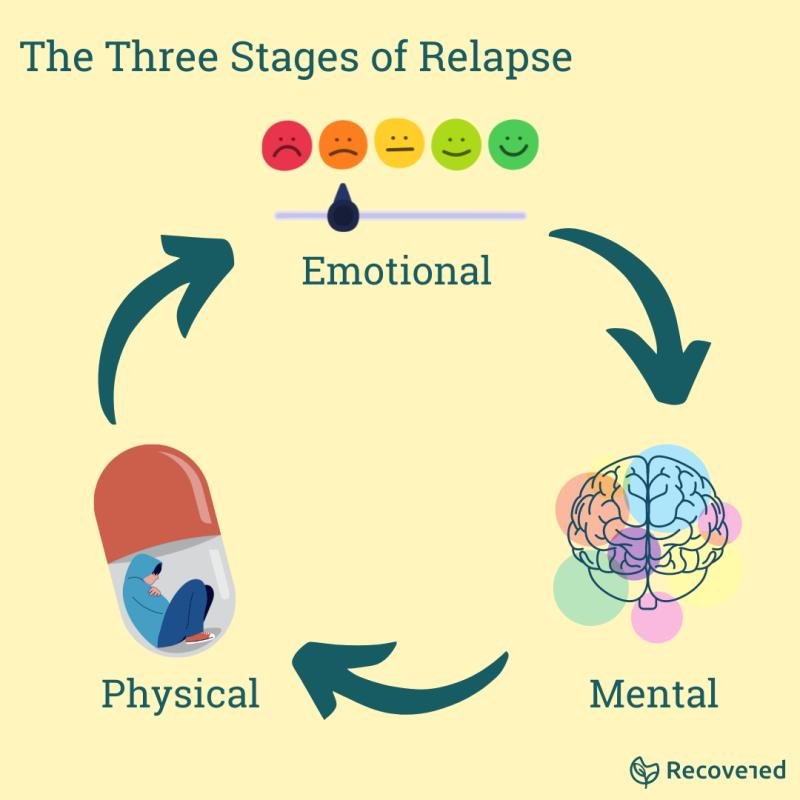
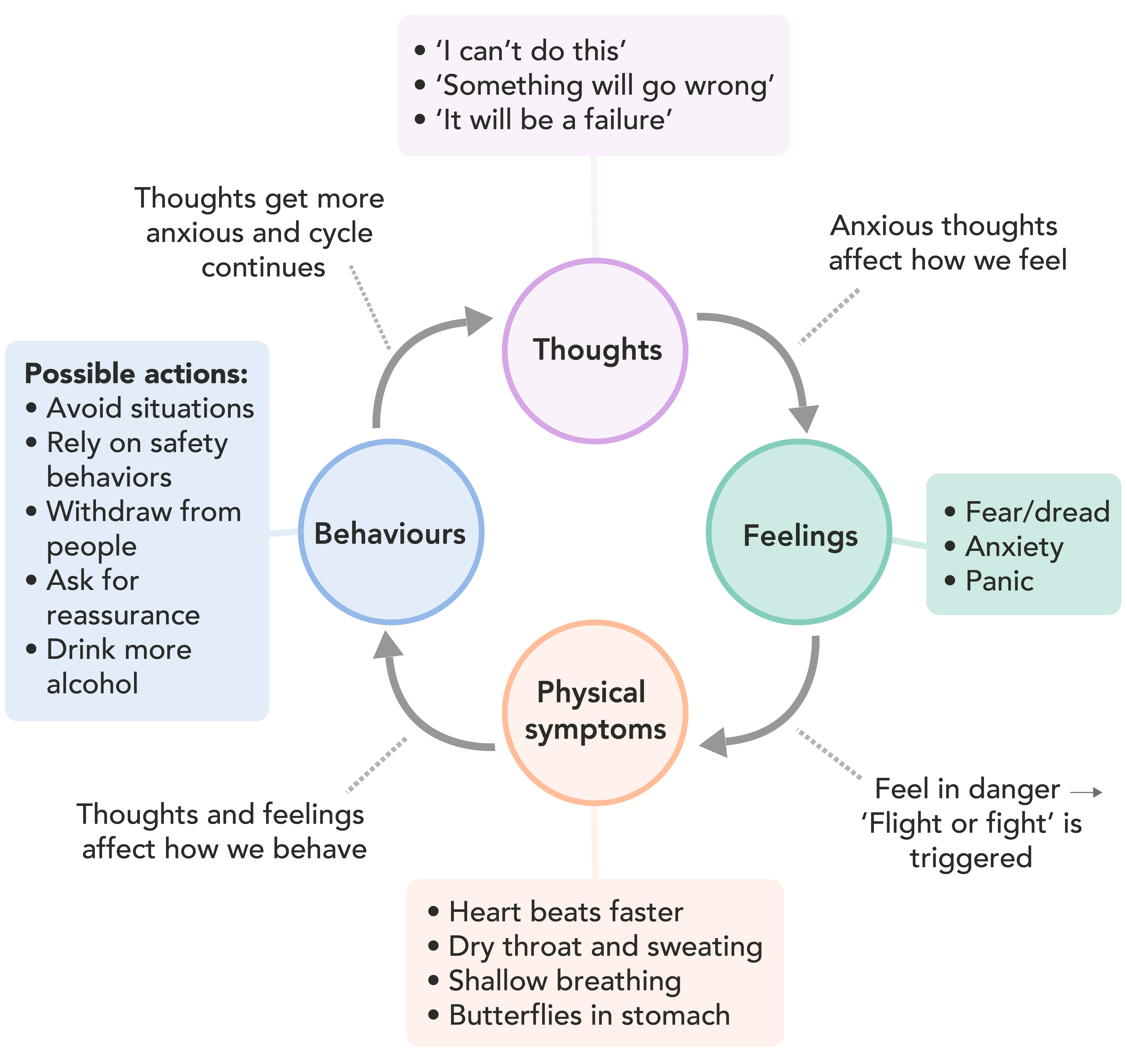
The cycle often looks like this:
-
Stressful event or emotional discomfort
-
Overthinking begins (“What if…”, “Why me?”)
-
Anxiety and emotional pain intensify
-
Cravings emerge as a coping mechanism
-
Substance use or relapse occurs
-
Guilt and shame increase → more overthinking
Without intervention, this loop can repeat endlessly—even when someone truly wants recovery.
Why Overthinking Is Especially Dangerous in Recovery


Recovery requires learning new ways to cope with discomfort. Overthinking sabotages this process by:
-
Keeping the mind stuck in the past or future instead of the present
-
Making small urges feel overwhelming
-
Turning normal recovery challenges into perceived failures
Many relapses don’t begin with a conscious decision to use—they begin with unmanaged thoughts that spiral out of control.
Breaking the Pattern: Thinking Less, Healing More


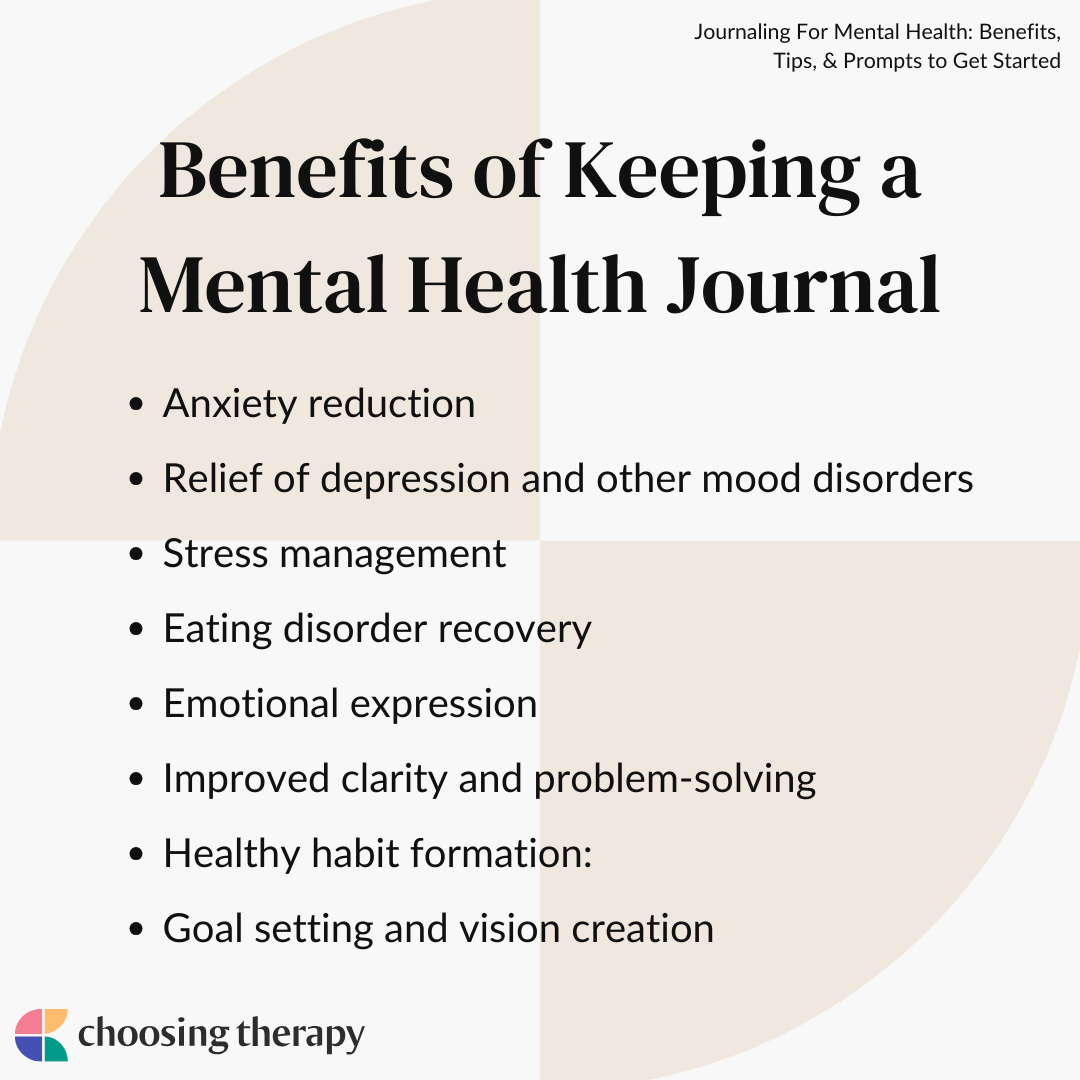
Reducing overthinking doesn’t mean stopping thoughts entirely. It means changing your relationship with them.
Helpful strategies include:
-
Mindfulness: Observing thoughts without judging or engaging with them
-
Grounding techniques: Focusing on breath, body sensations, or surroundings
-
Cognitive defusion: Reminding yourself that thoughts are not facts
-
Healthy distractions: Movement, creativity, or social connection
-
Support systems: Talking thoughts out instead of letting them echo internally
Over time, these tools weaken the mental loop that feeds addiction.
Final Thoughts


So, does overthinking make addiction worse?
Yes—but the good news is that overthinking is a learned habit, not a life sentence.
By recognizing how repetitive negative thoughts fuel stress and cravings, individuals can interrupt the cycle before it leads to relapse. Recovery is not just about avoiding substances—it’s about learning to live peacefully with your own mind.
Healing often begins not when the thoughts stop, but when you stop letting them control your next step.