
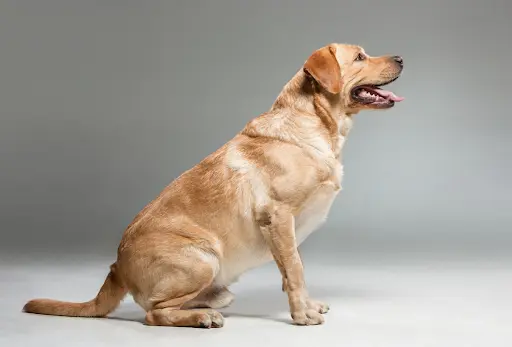
Dog Gaining Weight Even With a Diet — What’s Really Going On? 🐶⚖️
If your dog is gaining weight despite eating less, switching to diet food, or exercising regularly, you’re not imagining it—and you’re not failing as an owner. When weight keeps creeping up despite real effort, it often points to metabolic, hormonal, medical, or management issues that need a closer look.
This article explains why dogs can gain weight even on a diet, when it’s normal vs. concerning, and what you can do to help your dog reach a healthy weight safely.
What This Situation Usually Looks Like
You may notice:
-
Weight gain or no weight loss despite reduced portions
-
A widening waist or loss of tuck
-
Increased appetite or begging
-
Lethargy or reduced stamina
-
Fat accumulating around neck, chest, or belly
👉 The key sign is lack of response to calorie reduction.
Most Common Reasons Dogs Gain Weight Despite Dieting
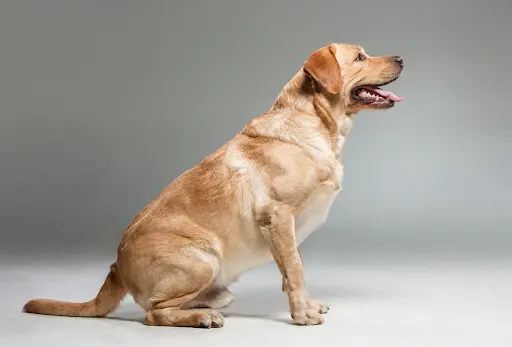
1. Portion Miscalculations (Very Common)
Even small errors add up.
-
Measuring cups (not scales)
-
Treats, chews, table scraps not counted
-
Multiple family members feeding
👉 “Diet food” still has calories.
2. Metabolic Slowdown After Spay/Neuter
Hormonal changes can:
-
Reduce calorie needs by 20–30%
-
Lower resting metabolism
Dogs may gain weight on the same portions they used to maintain.
3. Hypothyroidism
⚠️ A common cause of unexplained weight gain.
-
Slowed metabolism
-
Lethargy
-
Hair thinning or loss
-
Cold intolerance
Weight gain often occurs without increased appetite.
4. Cushing’s Disease (Hyperadrenocorticism)
Excess cortisol causes:
-
Weight gain (especially belly fat)
-
Increased appetite and thirst
-
Panting
-
Hair loss or thin skin
Dogs may gain weight even on restricted diets.
5. Lack of Lean Muscle
Muscle burns calories.
-
Inactivity
-
Aging
-
Pain limiting movement
Less muscle = fewer calories burned at rest.
6. Medications
Some drugs promote weight gain:
-
Steroids (prednisone)
-
Anti-seizure medications
-
Hormonal treatments
7. Underlying Pain
Pain reduces movement.
-
Arthritis
-
Back or joint issues
Dogs may eat the same—but burn far fewer calories.
When Weight Gain Is a Red Flag
🚨 See your vet if your dog:
-
Gains weight rapidly
-
Doesn’t lose weight after 6–8 weeks of a strict plan
-
Has lethargy, hair loss, or skin changes
-
Drinks or urinates excessively
-
Is a senior dog with new weight gain
Unexplained weight gain often means more than calories.
What You Can Do Right Now
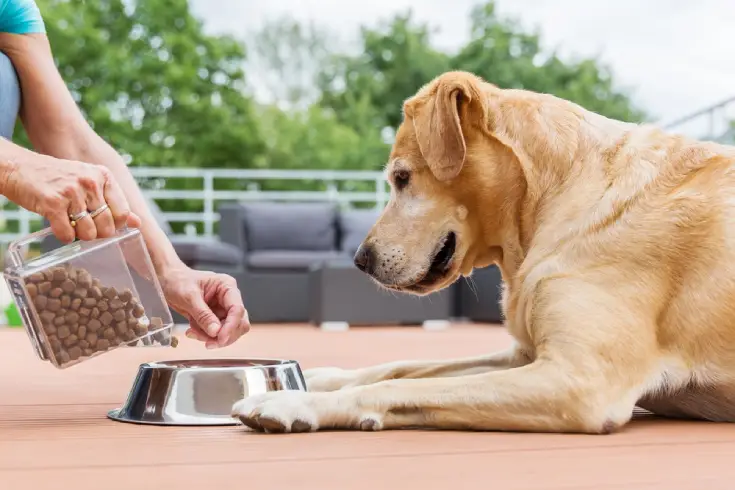
Track Calories Precisely
-
Weigh food with a kitchen scale
-
Count all treats and chews
-
Use food from meals as training rewards
Reassess the Diet
-
“Light” foods vary widely in calories
-
Some dogs need prescription weight-loss diets
-
High-protein, high-fiber diets improve satiety
Increase Low-Impact Activity
-
Longer, slower walks
-
Swimming or sniff walks
-
Short, frequent sessions
Avoid pushing through pain.
Build Muscle Safely
-
Controlled hill walking
-
Sit-to-stand exercises
-
Vet-approved strength work
Muscle boosts metabolism.
How Vets Evaluate Diet-Resistant Weight Gain
Your veterinarian may:
-
Calculate true calorie needs
-
Perform blood tests (thyroid, cortisol)
-
Assess pain and mobility
-
Review medications
-
Create a structured weight-loss plan
Medical causes must be ruled out before further calorie cuts.
Can Dogs Lose Weight Once the Cause Is Found?
Yes—very often.
-
Treating hypothyroidism normalizes metabolism
-
Managing Cushing’s improves body composition
-
Pain control restores activity
-
Correct calorie targets lead to steady loss
Healthy weight loss is slow, safe, and sustainable.
Final Takeaway
If your dog is gaining weight even with a diet, it’s not about willpower—it’s about biology. Calories matter, but hormones, pain, muscle, and metabolism matter just as much.
🐾 Finding the real cause protects your dog’s health, mobility, and lifespan—and makes weight loss achievable again.