
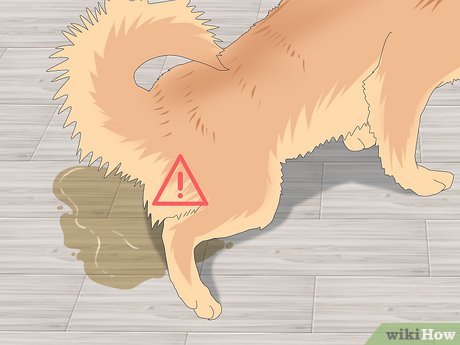
If your dog is leaving small wet spots where they sleep, dribbling urine without realizing it, or leaking when relaxed, this is called urinary incontinence—and it’s very different from peeing accidents or poor house training.
The good news?
👉 Most causes are treatable once properly diagnosed.
What Urine Leakage Typically Looks Like
You may notice:
-
Wet bedding or floors after naps
-
Drips of urine while walking or lying down
-
Urine odor without seeing your dog squat
-
No obvious signs of needing to pee
-
Normal behavior otherwise
👉 Leaking is passive and unintentional.
Most Common Causes of Random Urine Leakage

1. Spay-Related Incontinence (Very Common)
Especially in spayed female dogs.
-
Hormonal changes weaken the urethral sphincter
-
Leakage often happens during sleep or rest
-
Dog is unaware it’s happening
This is the #1 cause of random leaking in adult female dogs.
2. Urinary Tract Infection (UTI)
UTIs irritate the bladder.
-
Frequent urination
-
Leakage or dribbling
-
Licking the genital area
-
Sometimes blood or strong odor
UTIs require vet-prescribed antibiotics.
3. Bladder Stones or Crystals
-
Pressure on the bladder
-
Irritation causing leaks
-
May progress to painful urination
⚠️ Can become dangerous if a blockage develops.
4. Age-Related Muscle Weakness
Senior dogs may lose:
-
Bladder tone
-
Nerve coordination
Leaking increases during deep sleep.
5. Neurological Issues
Spinal or nerve problems can interfere with bladder control.
-
Hind-end weakness
-
Wobbly gait
-
Tail or back pain
This requires prompt veterinary evaluation.
6. Hormonal or Metabolic Diseases
-
Diabetes
-
Cushing’s disease
These increase urine volume, overwhelming bladder control.
What This Is NOT
❌ Not disobedience
❌ Not spite
❌ Not laziness
❌ Not a training failure
Your dog cannot control this.
When to See the Vet
📞 Book a vet visit if:
-
Leakage is new or worsening
-
Your dog is a senior
-
There’s licking, odor, or discomfort
-
Accidents happen mostly during sleep
-
Your dog seems unaware of the leakage
🚨 Urgent care if:
-
Straining with little urine
-
Pain while peeing
-
Blood in urine
-
Sudden hind-leg weakness
What Your Vet Will Likely Do
-
Urinalysis (infection, crystals)
-
Blood tests (kidneys, hormones)
-
Ultrasound or X-rays if needed
-
Neurological exam
Correct diagnosis = effective treatment.
Treatment Options (Often Very Successful)
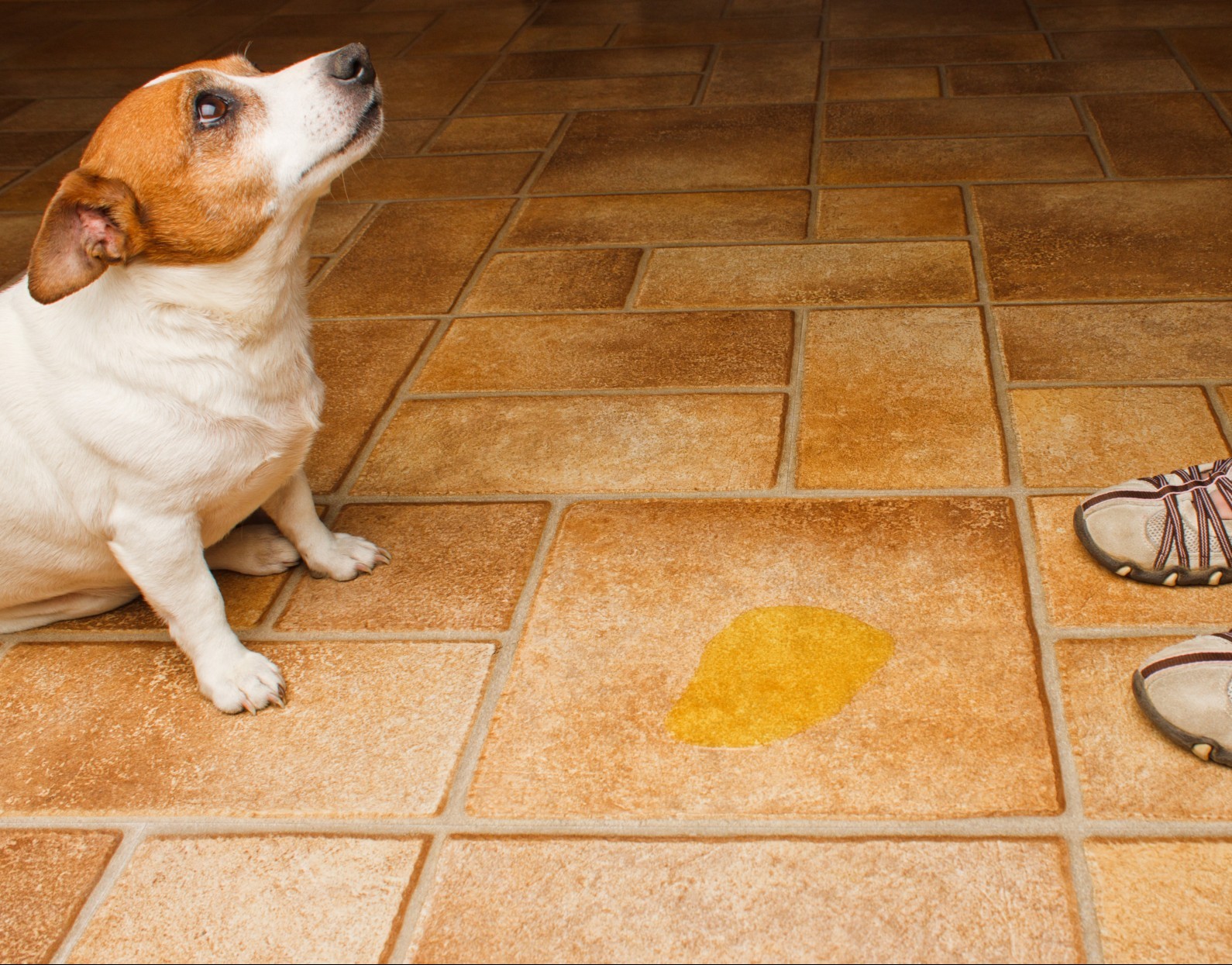
Depending on the cause, treatment may include:
-
Medications to strengthen bladder control
-
Antibiotics for infection
-
Hormonal therapy
-
Diet changes (for stones)
-
Management tools (dog diapers, waterproof bedding)
Many dogs improve dramatically with treatment.
What You Can Do at Home (Supportive Care)
-
Increase potty breaks
-
Use washable waterproof covers
-
Keep the area clean to prevent skin irritation
-
Do not restrict water
-
Avoid punishment
Comfort + treatment = best outcome.
Final Takeaway
Random urine leakage is a medical issue, not a behavior problem. With proper diagnosis, most dogs regain control—or improve enough to live comfortably and confidently.
🐾 Your dog isn’t misbehaving. They’re asking for help.