
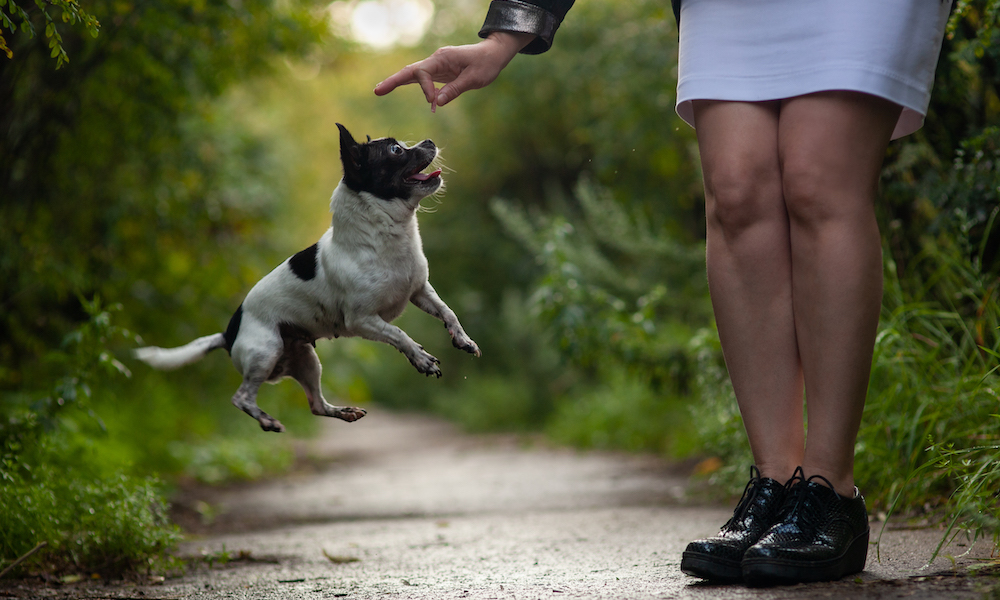
If your dog listens perfectly when chicken or cheese is out—but ignores you when treats are boring or absent, you’re not alone. This doesn’t mean your dog is stubborn, manipulative, or “treat-dependent.” It means the reinforcement system needs adjusting.
The goal of training is not to remove rewards—it’s to change how and when they’re delivered.
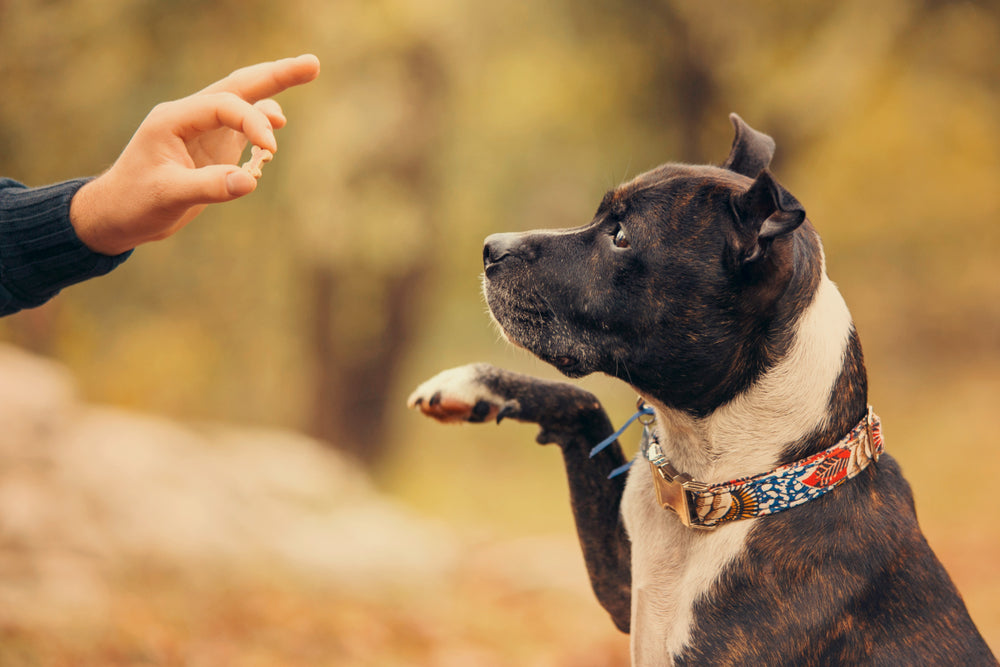
Why Dogs “Only Work” for High-Value Treats
1. The Behavior Isn’t Strong Yet
High-value treats are doing heavy lifting because:
-
The behavior isn’t fully learned
-
Distractions are high
-
Motivation isn’t strong enough
Think of high-value treats as training wheels, not a flaw.
2. Rewards Are Too Predictable
If your dog learns:
-
No treat visible = no reason to work
They’re responding logically, not disobediently.
3. Environment > Reward
Outside, around dogs, smells, or people:
-
Low-value treats lose power
-
High-value treats are needed to compete
This is normal canine economics.
4. Reinforcement History Is Narrow
If training always looked like:
cue → treat → repeat
Your dog never learned that life itself can be rewarding.
Why This Is NOT a Bad Thing
High-value treat motivation means your dog:
-
Is food-motivated (great for training)
-
Understands reinforcement
-
Wants to engage—when it’s worth it
The fix is strategy, not stricter rules.
What NOT to Do
❌ Don’t stop rewarding suddenly
❌ Don’t “wait it out” until your dog gives in
❌ Don’t switch to punishment
❌ Don’t expect the same performance without reinforcement
This causes frustration and shutdown.
How to Fix It (Without Losing Reliability)
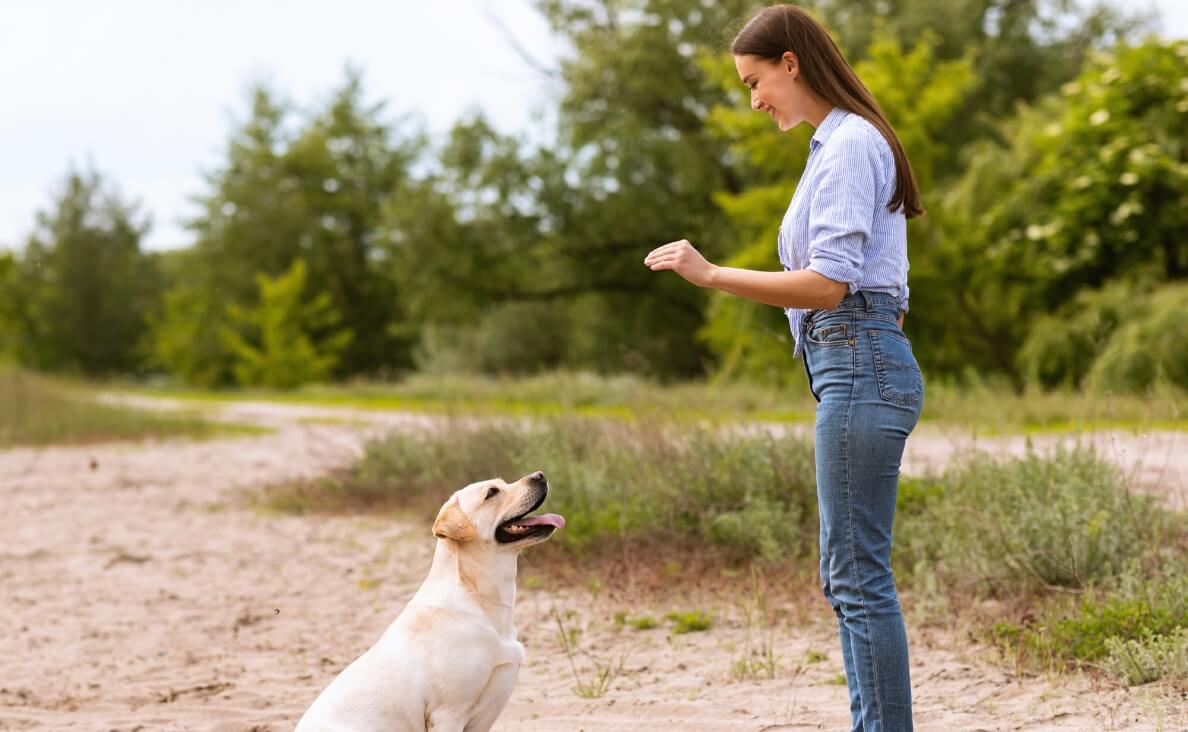
1. Fade Treat Visibility, Not Treats
Keep treats:
-
In pockets
-
On shelves
-
Out of sight
Reward after the behavior, not before.
2. Use Variable Reinforcement
Instead of treating every time:
-
Treat sometimes
-
Praise or play other times
Unpredictable rewards create stronger habits.
3. Pay With “Life Rewards”
Use things your dog already wants:
-
Sniffing
-
Going outside
-
Greeting
-
Chasing a toy
Example:
Sit → door opens
Recall → release to sniff
4. Match the Reward to the Difficulty
Hard situation = better pay
Easy situation = lighter reward
You wouldn’t work overtime for minimum wage—neither will your dog.
5. Build Value Into You
-
Celebrate success
-
Use happy tone
-
Move, play, engage
Dogs work for relationships, not just food.
When High-Value Treats Should Stay
Keep them for:
-
Recall
-
Safety cues
-
High-distraction environments
-
Fear or reactivity training
High-value treats are tools, not crutches.
How Long Does This Take?
With consistency:
-
Improvement in 1–2 weeks
-
Strong reliability in real life soon after
Rushing the fade causes setbacks.
Final Takeaway
A dog who only works for high-value treats isn’t spoiled—they’re honest. Training succeeds when the reward matches the challenge. Fade thoughtfully, diversify rewards, and your dog will work even when snacks aren’t obvious.
🐾 Good training doesn’t remove rewards—it teaches dogs that rewards are everywhere.