
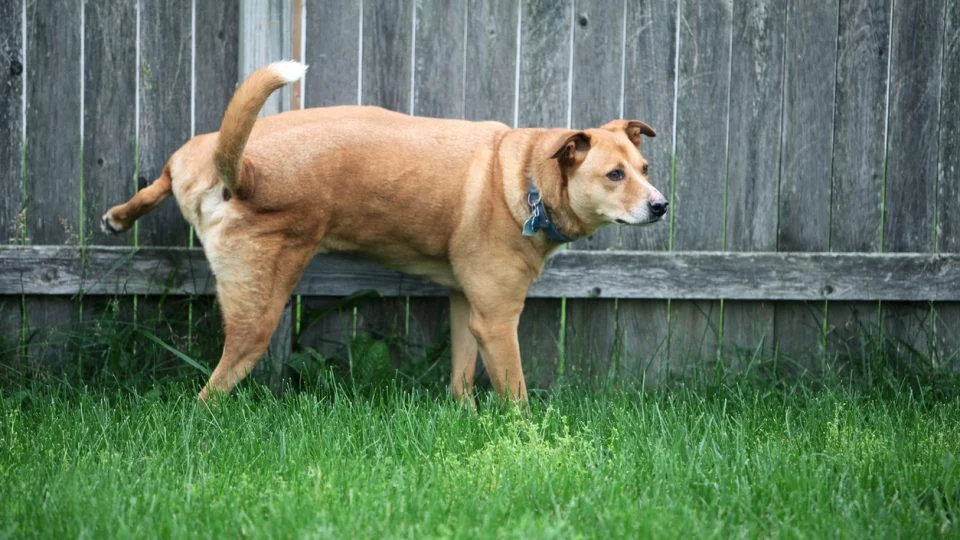
If your dog is urinating more often than usual, having accidents, or asking to go outside repeatedly, it’s a sign something has changed. Frequent urination can be simple and temporary, or it can point to a medical issue that needs treatment.
Here’s how to tell the difference, what causes frequent peeing, and when to see the vet.
What “Frequent Urination” Looks Like
You might notice:
-
Many small pee trips instead of normal ones
-
Accidents in a previously house-trained dog
-
Squatting often with little urine produced
-
Waking at night to pee
-
Licking the genital area more than usual
👉 Frequency matters more than volume.
Most Common Causes of Frequent Peeing

1. Urinary Tract Infection (Very Common)
UTIs irritate the bladder.
-
Frequent attempts to pee
-
Small amounts each time
-
Possible straining or discomfort
-
Sometimes blood in urine
UTIs require vet-prescribed antibiotics.
2. Increased Water Intake
Drinking more → peeing more.
Possible causes include:
-
Hot weather
-
Diet changes (dry → salty treats)
-
Diabetes
-
Kidney disease
-
Hormonal disorders (Cushing’s)
3. Bladder Stones or Crystals
-
Frequent squatting
-
Pain or straining
-
Sometimes sudden onset
⚠️ Can lead to blockage, especially in male dogs.
4. Age-Related Changes
-
Senior dogs may have weaker bladder control
-
Puppies pee frequently due to small bladders
Still, new changes in seniors should be checked.
5. Hormonal or Metabolic Diseases
-
Diabetes: increased thirst + urination + weight changes
-
Cushing’s disease: excessive thirst, panting, belly changes
-
Kidney disease: large volumes of dilute urine
6. Anxiety or Stress
Stress can cause:
-
Marking
-
Frequent small pees
-
Indoor accidents
Often paired with pacing or restlessness.
When Frequent Peeing Is an Emergency

🚨 Get immediate vet care if your dog:
-
Strains but produces little or no urine
-
Cries or shows pain while peeing
-
Has blood in urine
-
Is lethargic or vomiting
-
Is a male dog unable to urinate
Urinary blockages are life-threatening.
What Your Vet Will Likely Do
-
Urinalysis
-
Urine culture (for infection)
-
Blood tests (kidneys, diabetes)
-
X-rays or ultrasound (stones, masses)
Diagnosis guides the right treatment—don’t guess.
What You Can Do Right Now
-
Provide constant access to clean water
-
Take your dog out more frequently
-
Note urine color, volume, and behavior
-
Do not restrict water
-
Avoid giving human meds
A short symptom log helps your vet.
Can This Be Fixed?
Yes—very often.
Once the cause is identified:
-
UTIs clear with treatment
-
Stones can be managed or removed
-
Hormonal issues are treatable
-
Stress-related issues improve with routine and support
Final Takeaway
Frequent urination is your dog’s way of saying something isn’t right—especially if it’s sudden or worsening. While some causes are mild, others need prompt care.
🐾 More pee trips = more information. Listen early, act smart.