
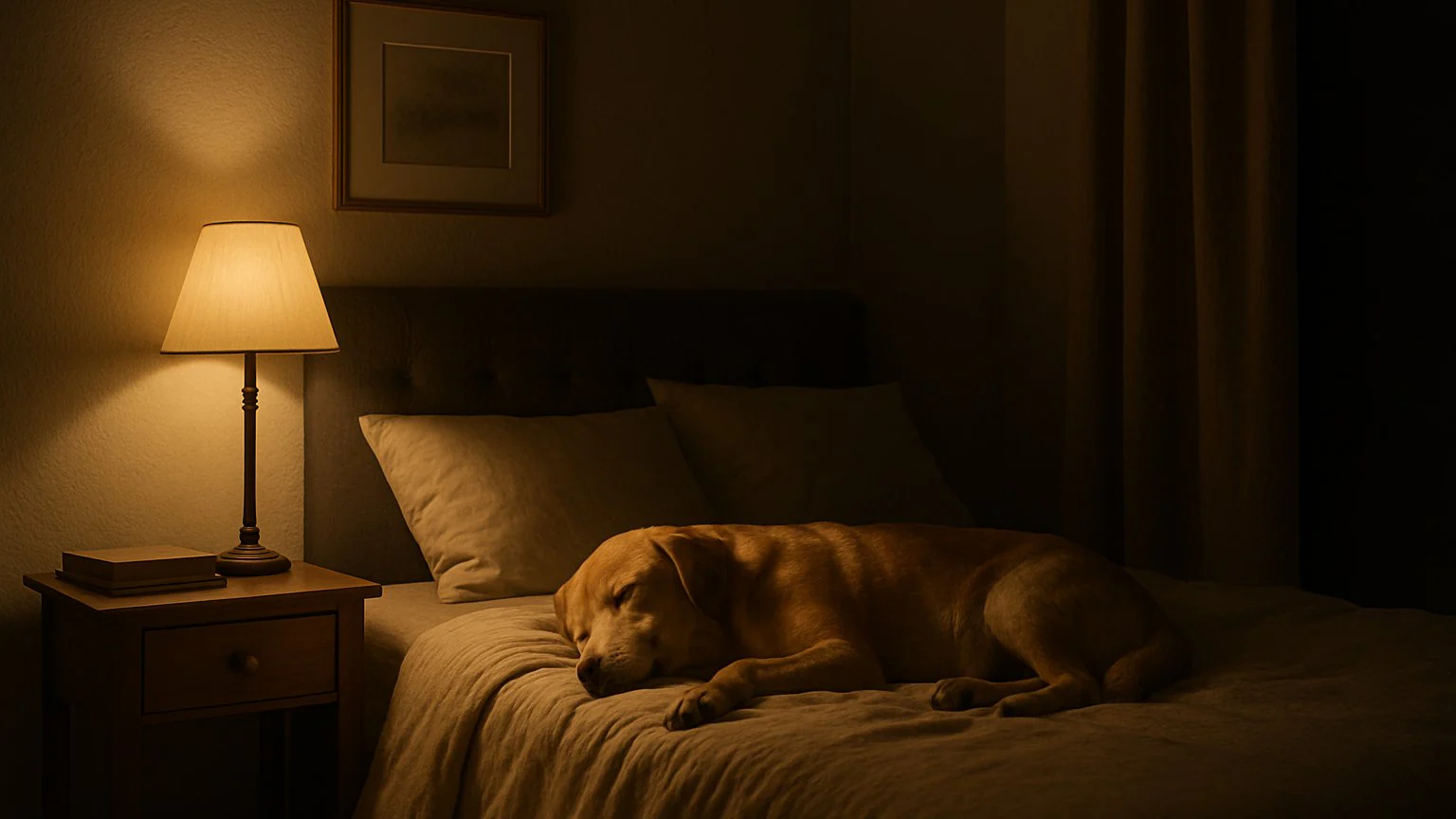
If your dog chooses to sleep in dark corners, under furniture, or in tucked-away spaces, it can be perfectly normal—or it can signal stress, discomfort, or a health issue, depending on the context. Dogs seek environments that help them feel safe, calm, and comfortable, and darkness can play a role in that.
This article explains why dogs prefer dark corners, when it’s harmless, and when you should look closer.
Common (Normal) Reasons Dogs Sleep in Dark Corners
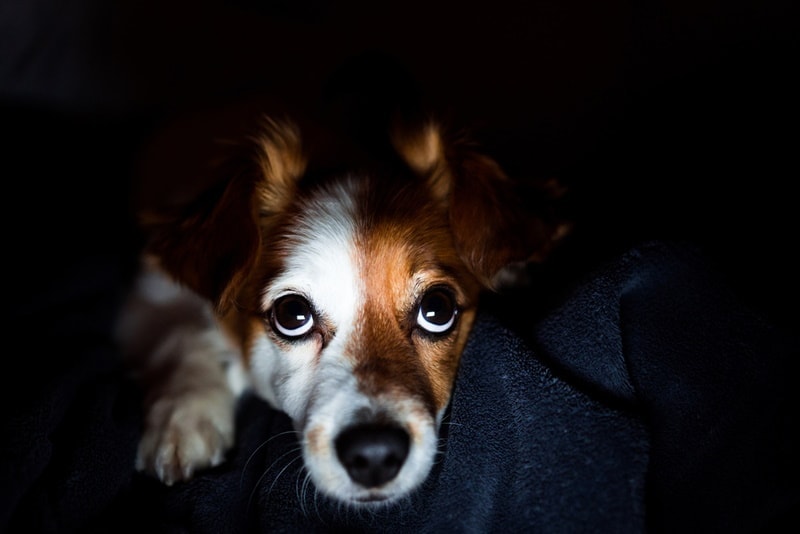
1. Natural “Den” Instinct
Dogs are den animals by nature.
-
Dark, enclosed spaces feel safe
-
Reduce visual stimulation
-
Help dogs relax
This is especially common in shy, sensitive, or intelligent breeds.
2. Seeking Quiet and Calm
Dogs may retreat to darkness to:
-
Escape noise
-
Avoid foot traffic
-
Take a break from activity
This is common in homes with children or frequent visitors.
3. Temperature Regulation
Dark corners are often:
-
Cooler
-
Away from sunlight
Dogs may choose them simply to stay comfortable.
4. Deep Rest Preference
Some dogs sleep better:
-
With less light
-
With fewer visual triggers
If your dog wakes up easily elsewhere, darkness can help.
When Sleeping in Dark Corners May Signal a Problem
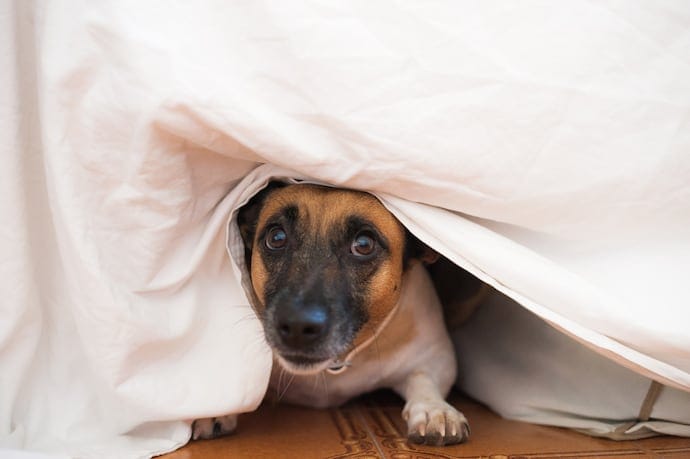
1. Anxiety or Fear
Dogs under stress may hide.
-
New environment
-
Loud noises
-
Separation anxiety
-
Visitor stress
Hiding helps them cope, not misbehave.
2. Pain or Illness
Sick or painful dogs often withdraw.
-
Arthritis
-
Internal pain
-
Fever or infection
This behavior is often paired with reduced appetite or interaction.
3. Depression or Emotional Withdrawal
Changes such as:
-
Loss of a companion
-
Major routine change
can cause dogs to isolate more.
4. Vision Changes
Dogs with declining vision may:
-
Avoid bright areas
-
Feel safer in familiar dark spaces
This is more common in senior dogs.
Red Flags to Watch For
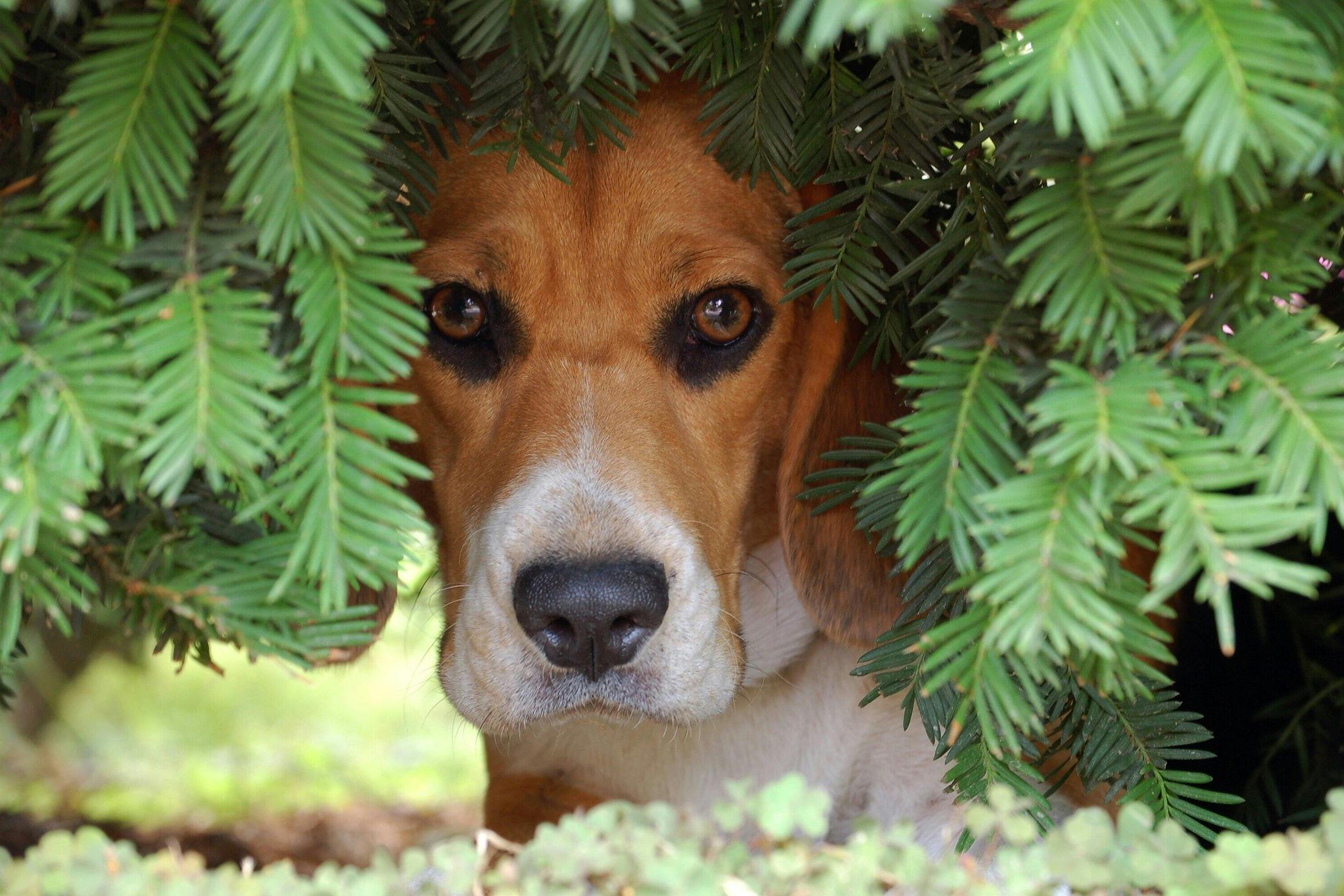


🚨 Contact your vet if your dog:
-
Suddenly starts hiding when they never did before
-
Avoids interaction or touch
-
Shows lethargy, limping, or stiffness
-
Eats less or drinks less
-
Seems sad, withdrawn, or confused
Sudden behavior changes often have medical or emotional causes.
What You Can Do Right Now
Observe Patterns
Ask yourself:
-
Is this new or long-standing?
-
Does your dog still play and engage?
-
Are meals, walks, and greetings normal?
Provide Safe, Comfortable Options
-
Add a cozy covered bed
-
Keep noise low
-
Let your dog choose where to rest
Choice = confidence.
Do NOT
❌ Force your dog out
❌ Block off all dark spaces suddenly
❌ Punish hiding
This increases stress.
How Vets Evaluate This Behavior
If needed, your vet may:
-
Check for pain or illness
-
Review recent changes
-
Evaluate anxiety or cognitive health (especially in seniors)
Often, the cause is manageable once identified.
Final Takeaway
If your dog prefers sleeping in dark corners but is otherwise happy, active, and social, it’s usually just a comfort choice. But if the behavior is new, extreme, or paired with withdrawal, it’s your dog’s way of asking for help.
🐾 Safe spaces are healthy. Sudden hiding is a message. Knowing the difference protects your dog’s well-being.