

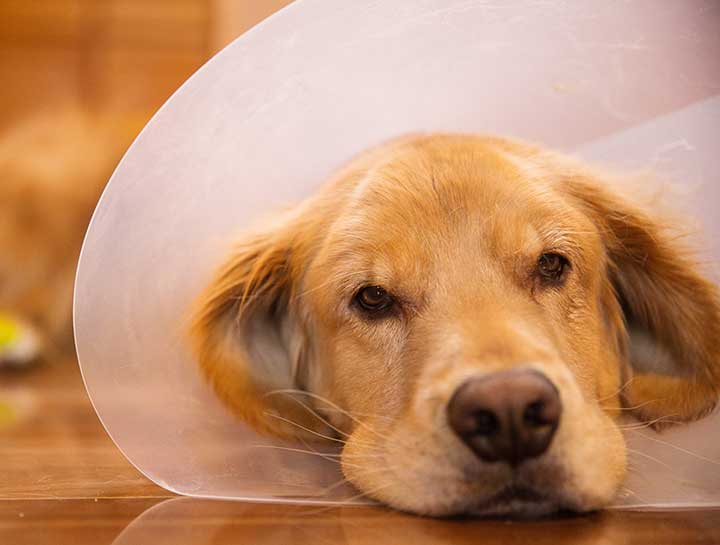
If your dog won’t eat after anesthesia, it can be worrying—especially when they usually have a good appetite. The good news is that temporary loss of appetite is common after anesthesia. However, how long it lasts and what other signs are present determines whether it’s normal recovery or something that needs medical attention.
This article explains why dogs refuse food after anesthesia, what’s normal vs. concerning, and what you should do to help your dog recover safely.
What Post-Anesthesia Appetite Loss Looks Like
You may notice your dog:
-
Turning away from food or sniffing then walking off
-
Eating much less than usual
-
Sleeping more and acting groggy
-
Showing mild nausea (lip licking, drooling)
-
Eating treats but refusing regular meals
👉 The key is duration and progression—appetite should slowly improve.
Common Reasons Dogs Don’t Eat After Anesthesia

1. Residual Effects of Anesthesia (Most Common)
Anesthetic drugs can:
-
Cause grogginess
-
Suppress appetite
-
Slow gut movement
Most dogs feel off for 12–24 hours, sometimes up to 48 hours.
2. Nausea or Upset Stomach
Anesthesia and pain meds can irritate the stomach.
-
Lip licking
-
Drooling
-
Turning away from food
This is especially common after abdominal or dental procedures.
3. Throat Soreness After Intubation
A breathing tube is used during anesthesia.
-
Throat may feel scratchy or sore
-
Dogs may avoid hard kibble
Soft foods are often better at first.
4. Pain or Discomfort
Pain reduces appetite.
-
Surgical site soreness
-
Abdominal tension
-
Muscle stiffness
If pain isn’t well controlled, dogs often won’t eat.
5. Stress and Confusion
Post-op stress can blunt hunger.
-
New smells
-
Cones, bandages
-
Disrupted routine
Some dogs need time to feel safe before eating.
6. Constipation or Slowed Digestion
Anesthesia slows the gut.
-
Reduced bowel movements
-
Feeling “full”
This usually resolves within a day or two.
What’s Normal vs. Not Normal
✅ Usually Normal
-
Skipping the first meal after surgery
-
Eating small amounts within 24 hours
-
Preferring soft or hand-fed food
-
Gradual appetite improvement
🚨 Concerning
-
Refusing all food longer than 48 hours
-
Vomiting repeatedly
-
Severe lethargy or weakness
-
Signs of significant pain
-
Not drinking water
-
Sudden worsening after initial improvement
When to Call the Vet
🚨 Contact your veterinarian if your dog:
-
Has not eaten anything for 48 hours
-
Vomits or retches repeatedly
-
Refuses water
-
Cries, shakes, or pants from pain
-
Has a swollen, red, or oozing incision
Early adjustments to pain or anti-nausea meds can make a big difference.
What You Can Do Right Now
Offer Gentle Food Options
-
Small portions
-
Warmed food (enhances smell)
-
Soft foods approved by your vet
-
Hand-feeding if needed
Keep Things Calm
-
Quiet recovery space
-
Minimal visitors
-
Short leash trips only
Stress reduction helps appetite return.
Follow Medication Instructions Carefully
-
Give pain meds as prescribed
-
Never add human medications
-
Ask about anti-nausea meds if appetite is poor
Do NOT
❌ Force food
❌ Skip pain medication without vet advice
❌ Assume appetite loss is “just normal” if it persists
How Vets Address Post-Anesthesia Appetite Loss
Your vet may:
-
Adjust pain control
-
Prescribe anti-nausea medication
-
Recommend appetite stimulants (short term)
-
Check for surgical complications
Most cases resolve quickly once discomfort is controlled.
Can Dogs Bounce Back Quickly?
Yes—most dogs resume normal eating within 24–48 hours. Once anesthesia fully wears off and pain is managed, appetite usually returns fast.
Final Takeaway
If your dog refuses food after anesthesia, it’s often a normal short-term side effect. But appetite should improve steadily, not worsen. Persistent refusal is your cue to check in with your vet.
🐾 A smooth recovery means comfort, hydration, and gentle patience—never silence or force.