
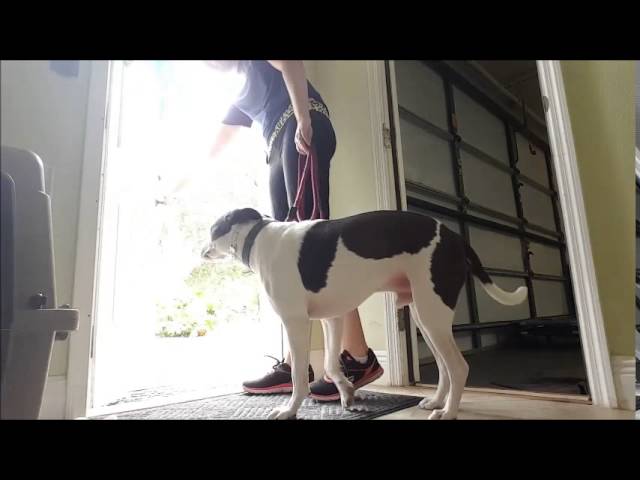
If your dog bolts through doors the moment they open, this is called door darting (or door bolting). It’s extremely common—and extremely dangerous. Cars, bikes, other dogs, and strangers turn a split second into a life-threatening situation.
The good news: this behavior is very fixable with management and a simple training plan.
Why Dogs Rush Out the Door
Door darting isn’t “bad manners.” It’s driven by one or more of these:
1. High Excitement
Outside = smells, movement, freedom.
Excitement overwhelms impulse control.
2. Curiosity & Instinct
Dogs evolved to investigate new environments immediately.
3. Learned Habit
If your dog ever:
-
Got outside successfully
-
Was chased (which feels like a game)
…the behavior was reinforced.
4. Anxiety or Frustration
Dogs who feel trapped or overstimulated may bolt to relieve pressure.
Why This Is So Dangerous
🚨 Door darting can lead to:
-
Traffic accidents
-
Dog fights
-
Lost dogs
-
Injury to people knocked over
Prevention matters more than correction.
What NOT to Do
❌ Don’t yell or chase (this increases excitement)
❌ Don’t rely on “he usually listens”
❌ Don’t open doors without a plan
❌ Don’t punish after the dog escapes
Immediate Safety Fixes (Start Today)
1. Use Physical Barriers
-
Baby gates
-
Exercise pens
-
Double-door entry if possible
Management prevents accidents while training happens.
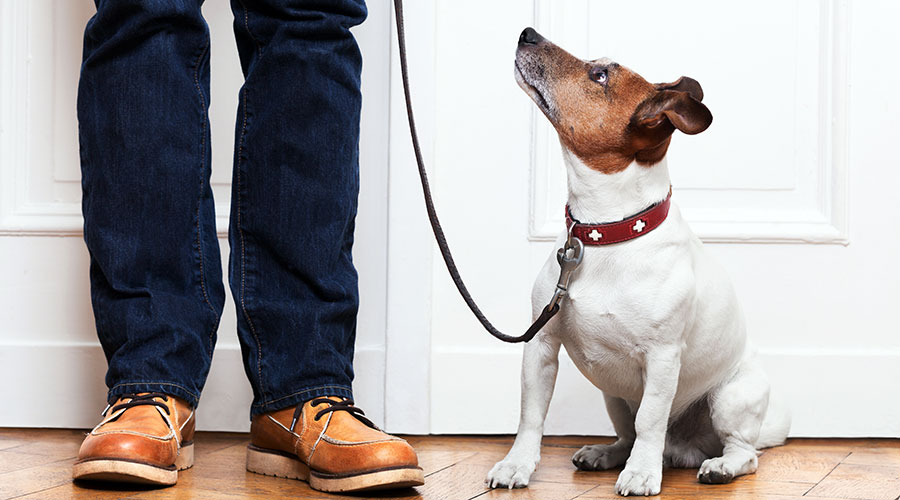
2. Leash Before Door Opens
Clip the leash before opening any exterior door—no exceptions.
3. Block the Door With Your Body
Stand sideways, calm and still.
No talking, no eye contact—just block.
How to Train a Safe Door Routine (Step by Step)
Step 1: Teach “Door = Pause”
-
Dog approaches door
-
Door opens a crack
-
If dog moves forward → door closes
-
If dog stays back → door opens more
The door only opens for calm behavior.
Step 2: Add a Stationary Position
Teach your dog to:
-
Sit
-
Or go to a mat
Reward holding position, not rushing.
Step 3: Release Is Permission
Only go outside on a clear release word like:
-
“Okay”
-
“Let’s go”
No release = no movement.
Step 4: Practice With Zero Stakes
Practice when:
-
You’re not leaving
-
No visitors
-
No rush
Repetition builds habits.
If Your Dog Is Extremely Fast or Strong

-
Use a harness with front clip
-
Practice impulse control games daily
-
Increase exercise and sniffing (a tired brain listens better)
How Long Does This Take to Fix?
With consistency:
-
Improvement in days
-
Reliable behavior in 2–3 weeks
Inconsistent rules = slow progress.
Final Takeaway
A dog who rushes the door isn’t trying to escape you—they’re chasing excitement. When you replace chaos with calm structure, door darting fades fast.
🐾 Doors don’t need to be battlegrounds. Teach pause first, freedom second—and safety always wins.