
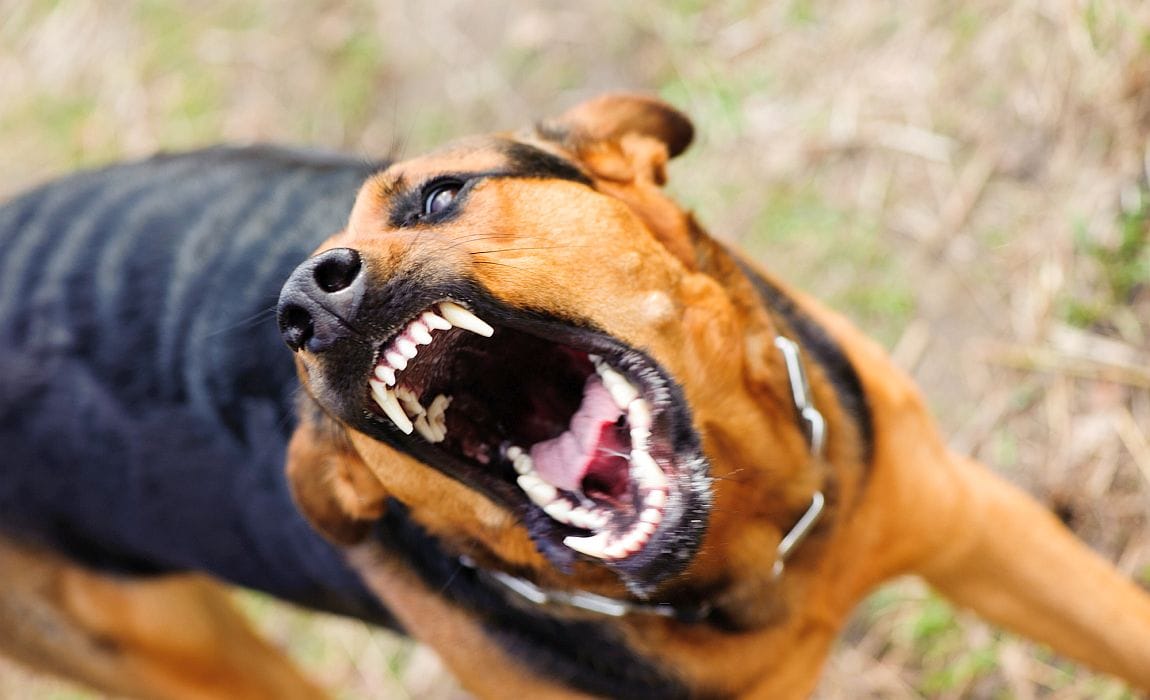
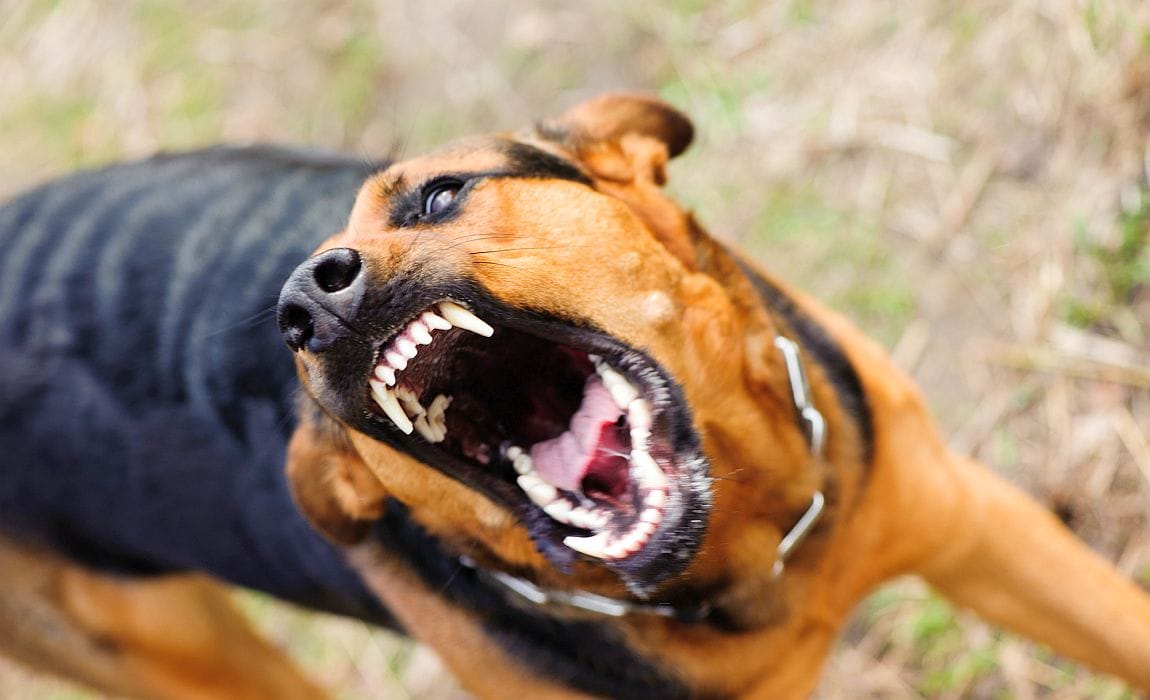
If your dog snaps, growls, freezes, or shows teeth when children approach, this is a serious warning sign, not bad behavior. Dogs snap to create distance when they feel overwhelmed, frightened, or threatened—especially around unpredictable movement and noise.
The good news: with management, education, and the right training, most situations can be improved while keeping kids safe.
What “Snapping” Usually Looks Like
You may see:
-
Growling or stiffening as a child approaches
-
Turning the head away, lip lifting, whale eye (white of eyes showing)
-
Snapping the air without contact
-
Leaving the area if possible
👉 Snapping is communication. It’s the dog saying, “I’m not okay with this.”
Why Dogs React to Children

1. Fear of Unpredictability (Most Common)
Children move fast, squeal, fall, hug tightly, and grab—all scary to dogs who prefer calm, predictable interactions.
2. Pain or Sensitivity
Dogs with:
-
Arthritis
-
Ear or back pain
-
Dental pain
may snap if a child accidentally bumps or touches a sore area.
3. Past Negative Experiences
One rough or frightening encounter can teach a dog that kids = danger, even if it wasn’t intentional.
4. Lack of Early Socialization
Dogs not gently exposed to children as puppies may feel unsure or threatened later.
5. Resource Guarding
Some dogs guard:
-
Food or toys
-
Resting spots
-
Their owner
Kids entering that space can trigger a defensive response.
Why This Needs Immediate Attention
🚨 Snapping can escalate to bites if warnings are ignored.
Children are at higher risk because:
-
They’re face-level
-
They don’t read dog signals
-
They move suddenly
Prevention now is critical.
What NOT to Do
❌ Don’t punish growling or snapping
❌ Don’t force interactions
❌ Don’t allow kids to hug, climb on, or corner the dog
❌ Don’t assume “he’ll get used to it”
Punishment removes warnings and increases bite risk.
Immediate Safety Steps (Start Today)
1. Create Physical Separation
-
Use baby gates
-
Leash the dog indoors if needed
-
Give the dog a child-free safe zone
Management prevents accidents while training happens.
2. Supervise 100% of Interactions
No exceptions.
If you can’t supervise, separate.
3. Teach Kids Dog Rules
Kids should:
-
Never hug or grab
-
Never approach while the dog is eating or sleeping
-
Let the dog come to them
-
Pet briefly on the chest or side—not the face
How to Help Your Dog Long-Term


1. Change the Emotional Response
At a safe distance:
-
Child appears → dog gets high-value treats
-
Child leaves → treats stop
Your dog learns: kids predict good things.
2. Reward Calm Choices
Mark and reward:
-
Looking away
-
Relaxed body language
-
Choosing to move away
Calm should pay better than snapping.
3. Never Force Interaction
Neutral coexistence is the goal—not cuddling.
4. Rule Out Pain
If snapping is new or worsening, schedule a vet check.
5. Get Professional Help
A qualified trainer or behaviorist can:
-
Assess triggers
-
Build a step-by-step plan
-
Keep kids safe while helping the dog
Early help prevents heartbreak.
Can Dogs Learn to Be Safe Around Kids?
Yes—many do, especially when:
-
Safety comes first
-
Adults advocate for the dog
-
Training is gradual and positive
But some dogs will always need management, and that’s okay.
Final Takeaway
When a dog snaps at children, it’s not cruelty—it’s fear and self-protection. Listening to the warning and acting early can prevent bites and protect both your child and your dog.
🐾 Your job isn’t to make your dog tolerate kids—it’s to help them feel safe around them.