
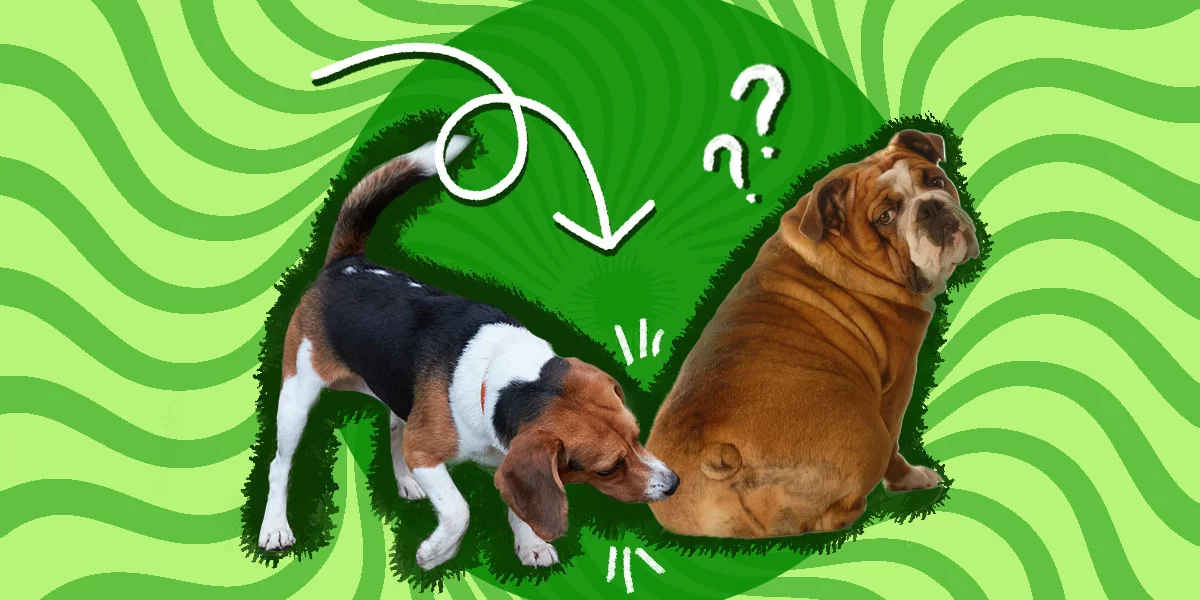
If your dog is focused, responsive, and obedient—until he smells another dog, then suddenly everything stops, you’re dealing with a very common scent-driven behavior, not disobedience.
Dogs experience the world nose-first, and the smell of another dog can instantly override training, attention, and impulse control.
This article explains why your dog shuts down when he catches another dog’s scent, when it’s normal, and how to train through it safely and effectively.
What This Behavior Looks Like
You may notice your dog:
-
Suddenly freezes or slows down
-
Drops commands he normally knows
-
Lowers head and intensely sniffs
-
Ignores treats, toys, and your voice
-
Pulls toward scent trails
-
Acts “checked out” mentally
👉 The key sign: total disengagement after smelling another dog.
Why Dog Smells Are So Powerful
1. Smell Activates the Emotional Brain
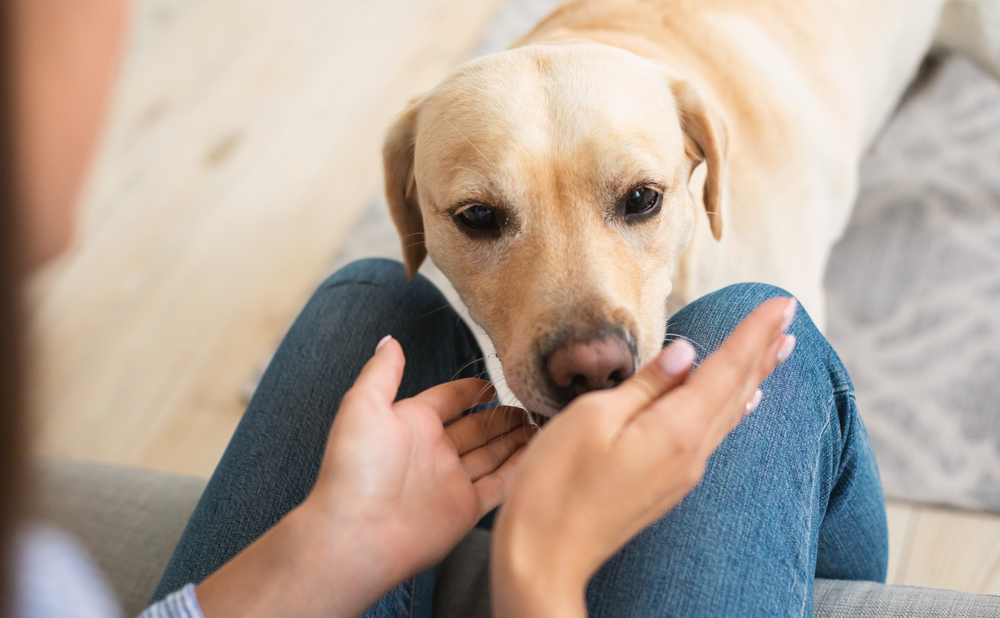
A dog’s nose is directly wired to:
-
Emotion
-
Memory
-
Instinct
When your dog smells another dog, it can instantly trigger:
-
Excitement
-
Social interest
-
Sexual motivation
-
Territorial curiosity
This shuts down the thinking brain where training lives.
2. Hormones in the Scent
Dog urine and scent marks carry:
-
Sex
-
Age
-
Mood
-
Reproductive status
Intact dogs (especially males) are far more affected, but neutered dogs can react too.
3. Scent Tracking Is Self-Rewarding
Following a scent:
-
Releases dopamine
-
Feels deeply satisfying
To your dog, tracking another dog smells better than food or praise in that moment.
4. Training Was Never Practiced Around Strong Scents
Most training happens:
-
Indoors
-
In clean, neutral areas
To your dog, scent-heavy environments are a completely different skill level.
5. Over-Arousal, Not Defiance
Once arousal passes a threshold:
-
Learning stops
-
Commands aren’t ignored on purpose
-
Your dog literally can’t respond
This is biology, not attitude.
When This Is Normal vs. a Problem
✅ Normal
-
Young dogs
-
Adolescents
-
Intact males
-
New environments
-
Rare scent encounters
🚨 Needs Training Help If
-
Happens every walk
-
Dog fully shuts down for long periods
-
Pulling becomes intense
-
You lose physical control
-
Dog can’t recover attention
How to Train Through Scent Distraction
1. Stop Fighting the Nose
You can’t out-yell a smell.
Instead:
-
Acknowledge the sniff
-
Work with it, not against it
2. Train Below the Scent Threshold
Start where your dog can still think:
-
Distance from scent trails
-
Fresh grass vs. heavy marking zones
-
Short exposure
Success must come before overload.
3. Teach “Check In” Instead of “Ignore”
Reward:
-
Looking back at you after sniffing
-
Voluntary disengagement
This builds choice, not suppression.
4. Use Scent as the Reward
Flip the script:
-
Ask for eye contact
-
Then release to sniff
Your dog learns:
👉 Focus earns sniffing
5. Upgrade Rewards Outdoors
Food must compete with instinct:
-
Fresh meat
-
Cheese
-
Smelly treats
If treats fail, distance is too small.
6. Keep Sessions Short
Scent work is mentally exhausting.
-
30–60 seconds
-
Frequent breaks
Short wins beat long failures.
7. Practice in Low-Value Scent Areas
Don’t start where every pole is marked.
-
Quiet paths
-
New areas
-
After rain
Gradually increase difficulty.
What NOT to Do
❌ Yank the leash
❌ Repeat commands endlessly
❌ Punish sniffing
❌ Expect instant obedience
❌ Compete with instinct using force
This creates frustration and worsens shutdown.
Can Dogs Learn to Work Through Smells?
Yes—very reliably with:
-
Proper thresholds
-
Reinforcement timing
-
Patience
Elite working dogs aren’t less distracted—
they’re just trained through arousal carefully.
Final Takeaway
If your dog stops working when he smells another dog, he isn’t ignoring you—he’s following instinct. Smell hijacks the brain, and training must respect that biology.
🐾 Don’t try to erase sniffing. Teach your dog how to come back from it. That’s real control.