
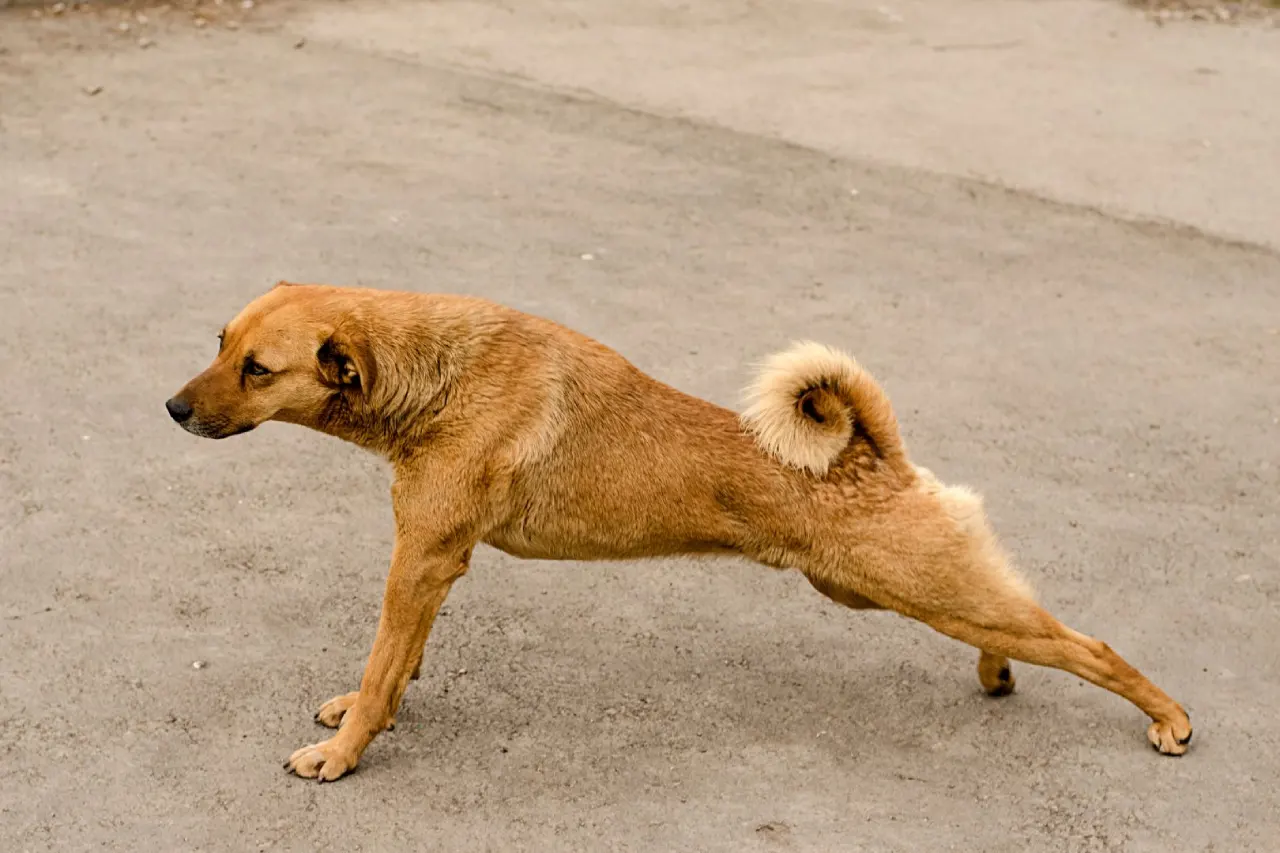
If your dog keeps stretching over and over—especially the classic front-legs-down, rear-up “prayer stretch”—it can be completely normal… or a sign of abdominal discomfort. The difference lies in timing, frequency, and accompanying symptoms.
Here’s how to tell when repeated stretching is harmless and when it signals a stomach problem.
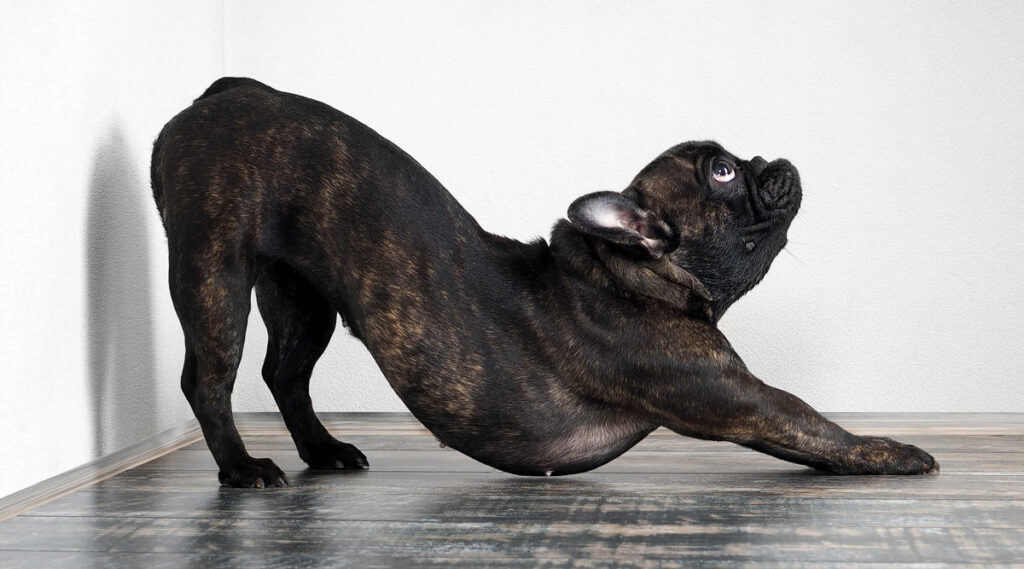
What Repeated Stretching Looks Like
You may see:
-
Frequent “bow” stretches without settling
-
Stretching followed by pacing or restlessness
-
Stretching after meals
-
Stretching paired with lip-licking, drooling, or swallowing
👉 Occasional stretches are normal. Repetitive, restless stretching is not.
Normal Reasons Dogs Stretch (Often Benign)
1. Waking Up or Cooling Down
Dogs stretch to:
-
Loosen muscles
-
Warm up after rest
-
Cool down after activity
If it happens once or twice and your dog relaxes afterward, it’s normal.
2. Habit or Comfort
Some dogs stretch before:
-
Lying down
-
Changing positions
-
Asking for play
This is harmless if your dog looks relaxed and content.
When Stretching Points to a Stomach Issue
3. Mild Stomach Upset
Stretching can relieve pressure from:
-
Gas
-
Indigestion
-
Mild nausea
Often accompanied by:
-
Lip licking
-
Grass eating
-
Skipping a meal
Usually short-lived, but monitor closely.
4. Gastritis or Pancreatitis (More Serious)
Red flags include:
-
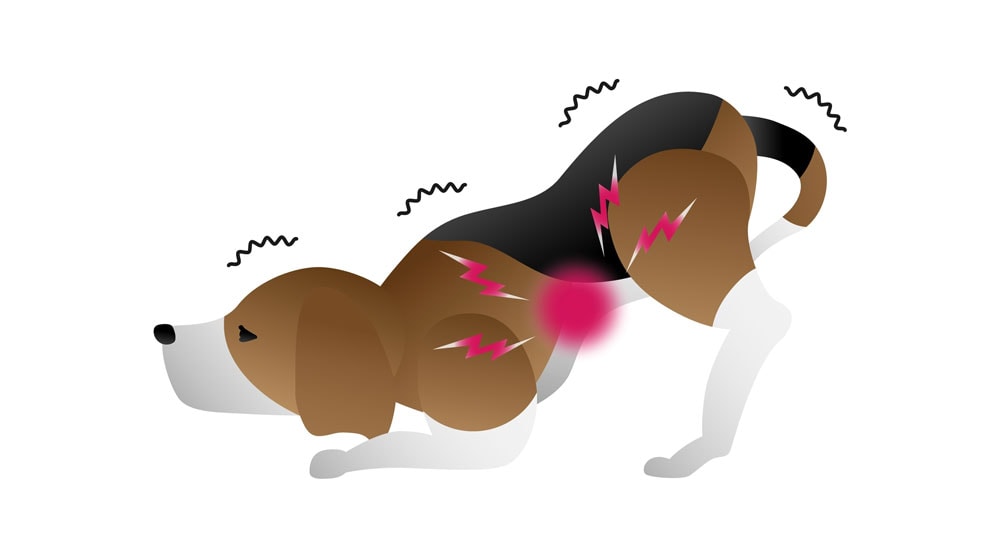
Repeated stretching + hunched posture
-
Vomiting or diarrhea
-
Refusal to eat
-
Lethargy
These require prompt veterinary evaluation.
⚠️ Emergency Warning: Bloat (GDV)
Repeated stretching can be an early sign of gastric dilatation-volvulus (bloat)—a life-threatening emergency.
🚨 Go to the ER immediately if stretching is paired with:
-
Swollen or tight abdomen
-
Retching with nothing coming up
-
Drooling excessively
-
Restlessness or pacing
-
Rapid breathing or collapse
Do not wait. Minutes matter.
Other Non-Stomach Causes to Consider
5. Back or Muscle Pain
Dogs may stretch to relieve:
-
Lower back pain
-
Hip discomfort
Look for stiffness, reluctance to jump, or yelping.
6. Anxiety or Restlessness
Stress can cause:
-
Repetitive movements
-
Inability to settle
Especially common during routine changes or at night.
How to Decide What to Do (Quick Checklist)
✅ Likely Normal If:
-
Stretching is brief and infrequent
-
Your dog eats, drinks, and plays normally
-
No vomiting, diarrhea, or pain signs
⚠️ See the Vet If:
-
Stretching is repetitive and restless
-
It started suddenly
-
Appetite is reduced
-
There’s vomiting, diarrhea, or lethargy
🚨 Emergency If:
-
Abdomen looks bloated
-
There’s unproductive retching
-
Your dog seems distressed or weak
What You Can Do Right Now
-
Observe when stretching happens (after meals? at night?)
-
Withhold rich or fatty foods temporarily
-
Ensure access to fresh water
-
Keep activity light until symptoms resolve
-
Do not give human antacids or pain meds
Final Takeaway
A stretch here and there is normal. Repeated, restless stretching—especially with other symptoms—often points to abdominal discomfort and should not be ignored. When in doubt, err on the side of caution.
🐾 Stretching can be a whisper before the body shouts. Listen early.