
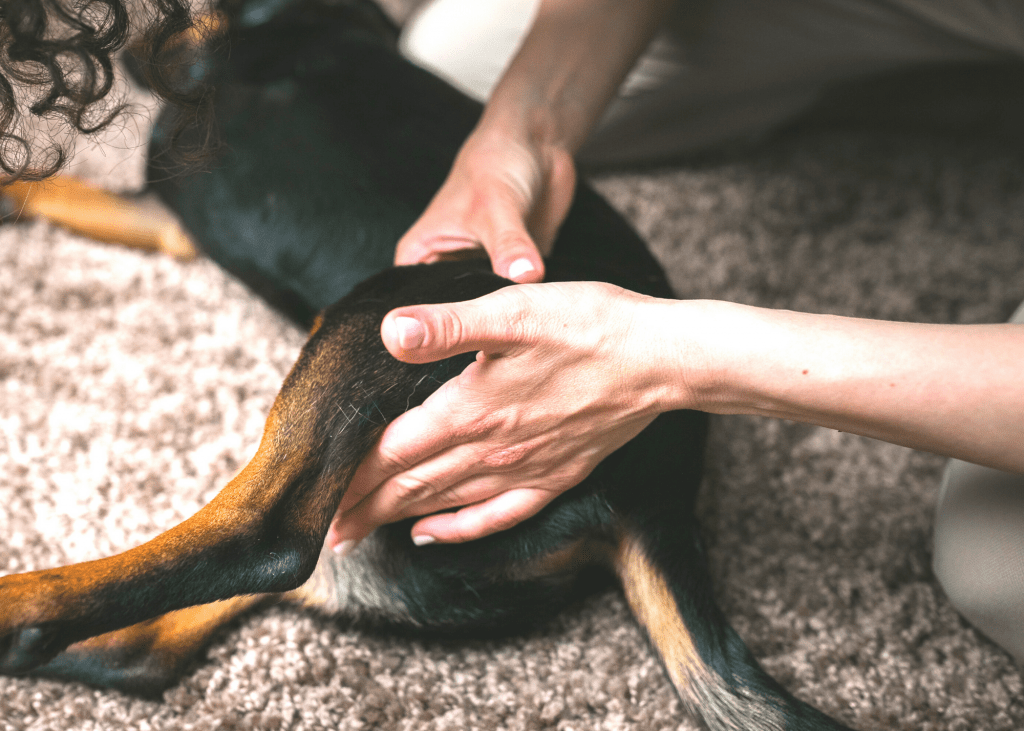
If your dog has trouble standing after lying down, moves stiffly, or needs several attempts to rise, arthritis is a very common cause—especially in adult and senior dogs. But it’s not the only possibility. Knowing what’s normal aging versus a medical problem helps you act early and keep your dog comfortable.
This guide explains how arthritis causes difficulty getting up, other conditions that look similar, warning signs to watch for, and what you can do right now.
What This Looks Like
You might notice your dog:
-
Hesitates before standing
-
Pushes up with the front legs first
-
Slips or collapses back down
-
Appears stiff after rest
-
Walks better after a few minutes
👉 Stiff after rest, better with gentle movement is classic for arthritis.
Why Arthritis Makes Standing Hard

Arthritis (osteoarthritis) causes:
-
Joint inflammation and pain
-
Reduced lubrication inside the joint
-
Loss of cartilage cushioning
After rest, joints feel stiff and painful—so the first few movements hurt the most.
Signs That Point Strongly to Arthritis
-
Trouble getting up or lying down
-
Reluctance to climb stairs or jump
-
Shorter, slower walks
-
Stiffness worse in the morning or cold weather
-
Muscle loss in hind legs over time
Other Conditions That Can Look Like Arthritis
Not every “can’t get up” case is arthritis.
⚠️ Rule These Out
-
Hip dysplasia (often younger large breeds)
-
Knee ligament tears (CCL/ACL) – sudden onset, limping
-
Back or disc disease (IVDD) – pain when lifting, yelping
-
Neurological weakness – knuckling, dragging paws
-
Systemic illness – lethargy, weight loss, appetite changes
Sudden or rapidly worsening difficulty needs a vet exam.
When This Is an Urgent Problem
🚨 See a vet promptly if your dog:
-
Suddenly can’t stand
-
Cries out in pain
-
Drags legs or collapses
-
Has weakness plus appetite loss or fever
-
Is worsening over days, not months
What You Can Do Right Now
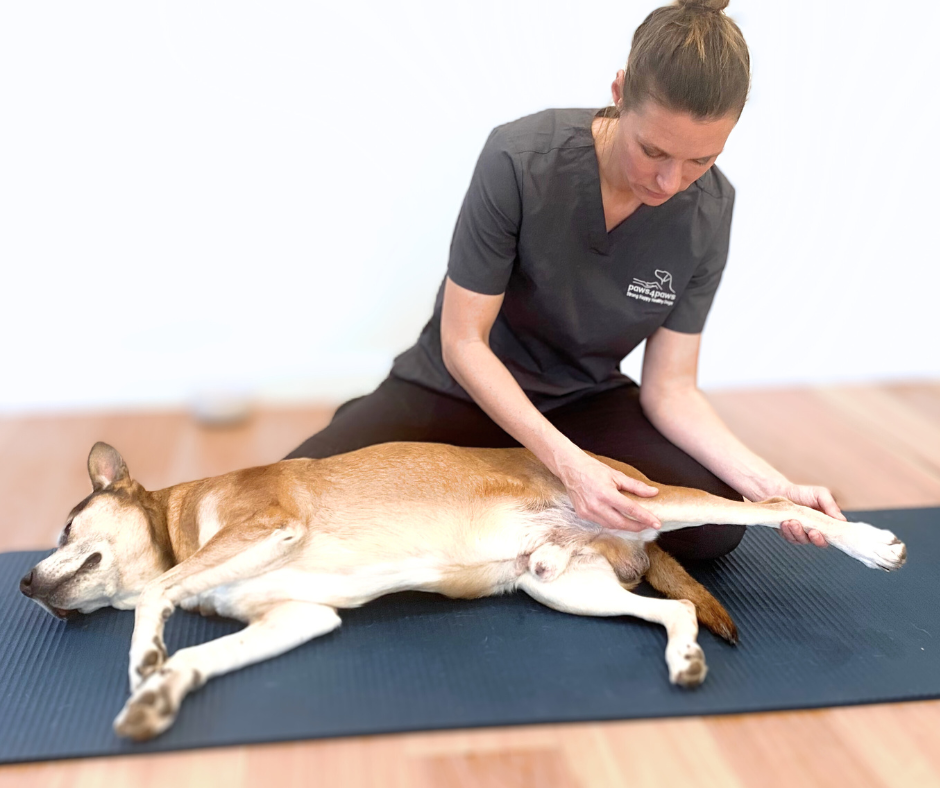
1. Make Standing Easier
-
Non-slip rugs or mats
-
Orthopedic bed
-
Ramps instead of stairs
-
Support harness for hind end
2. Manage Weight
Extra pounds = extra joint pain. Even small weight loss helps.
3. Gentle, Consistent Movement
-
Short, frequent walks
-
Avoid explosive play
-
Warm up slowly after rest
4. Never Give Human Pain Meds
❌ Ibuprofen, acetaminophen, naproxen are toxic to dogs.
How Vets Diagnose Arthritis
Your vet may:
-
Perform a joint exam
-
Take X-rays
-
Rule out ligament, spine, or neurological issues
Early diagnosis allows better pain control and slower progression.
Treatment Options That Really Help
-
Prescription anti-inflammatory meds
-
Joint supplements (glucosamine, omega-3s)
-
Physical therapy / hydrotherapy
-
Laser therapy or acupuncture
-
Customized long-term pain plans
Many dogs regain comfort and mobility with the right combination.
Can Dogs With Arthritis Live Well?
Absolutely. Arthritis is manageable, not a sentence to suffering. With early care and ongoing support, many dogs stay active and happy for years.
Final Takeaway
If your dog is struggling to get up, arthritis is a strong possibility—especially if stiffness improves after moving. But sudden or severe difficulty needs a veterinary check to rule out more serious problems.
🐾 Pain isn’t “just aging.” With the right care, your dog can move—and feel—much better.