
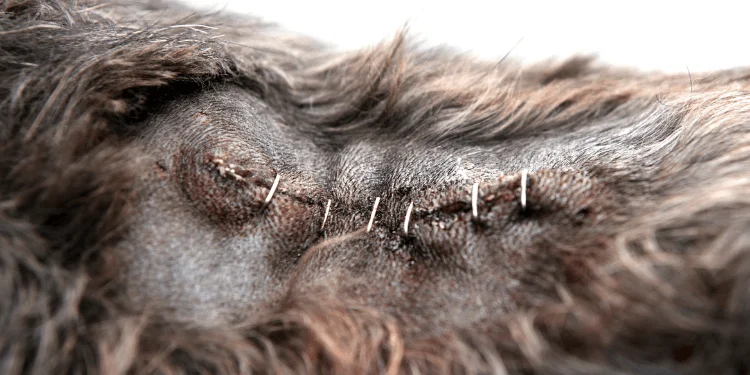
Noticing swelling near your dog’s incision site after surgery can be scary. Many owners immediately worry about infection or internal damage. The truth is: some swelling can be normal, but other types of swelling are a clear warning sign that something isn’t healing correctly.
This article explains why swelling happens near an incision, how to tell normal healing from danger, what you should do at home, and when to call the vet immediately.
What Does Incision Swelling Look Like?
Swelling may appear as:
-
A soft or firm lump under or near the incision
-
Puffiness or raised skin along the incision line
-
One-sided swelling instead of evenly flat skin
-
Warmth around the incision
-
Skin that looks stretched or shiny
The timing, size, texture, and changes over time are extremely important.
Common Causes of Swelling Near an Incision
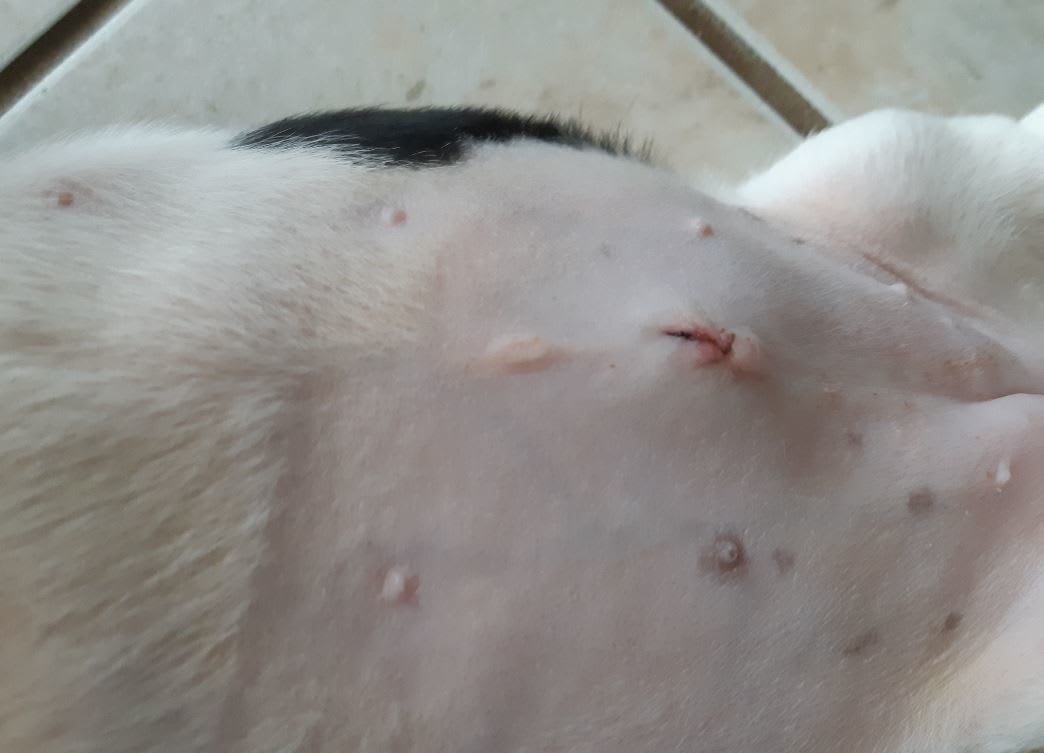
1. Normal Post-Surgical Inflammation
✔ Very common in the first 2–5 days
-
Mild swelling
-
Slight warmth
-
No discharge or pain
This type of swelling should gradually improve each day.
2. Seroma (Fluid Pocket Under the Skin)
Very common after spay/neuter or large incisions.
-
Soft, squishy swelling
-
Often painless
-
May feel like a water balloon
Seromas form when fluid builds up in empty space under the skin. Many resolve on their own with rest.
3. Excessive Movement or Licking
Too much activity can:
-
Stress the incision
-
Cause swelling or fluid buildup
-
Delay healing
Dogs that jump, run, or lick the incision are at higher risk.
4. Infection (Serious)
⚠️ Requires veterinary treatment.
-
Increasing swelling
-
Redness spreading outward
-
Heat and pain
-
Yellow, green, or bloody discharge
-
Bad odor
Infections do not improve on their own.
5. Stitches or Internal Suture Reaction
Some dogs react to sutures.
-
Firm lump along incision
-
Usually not painful
-
Appears days to weeks later
Often monitored, sometimes treated.
What’s Normal vs. NOT Normal
Usually Normal
✔ Mild swelling only at incision
✔ No discharge
✔ Dog eating and acting normally
✔ Swelling decreases daily
NOT Normal (Red Flags)
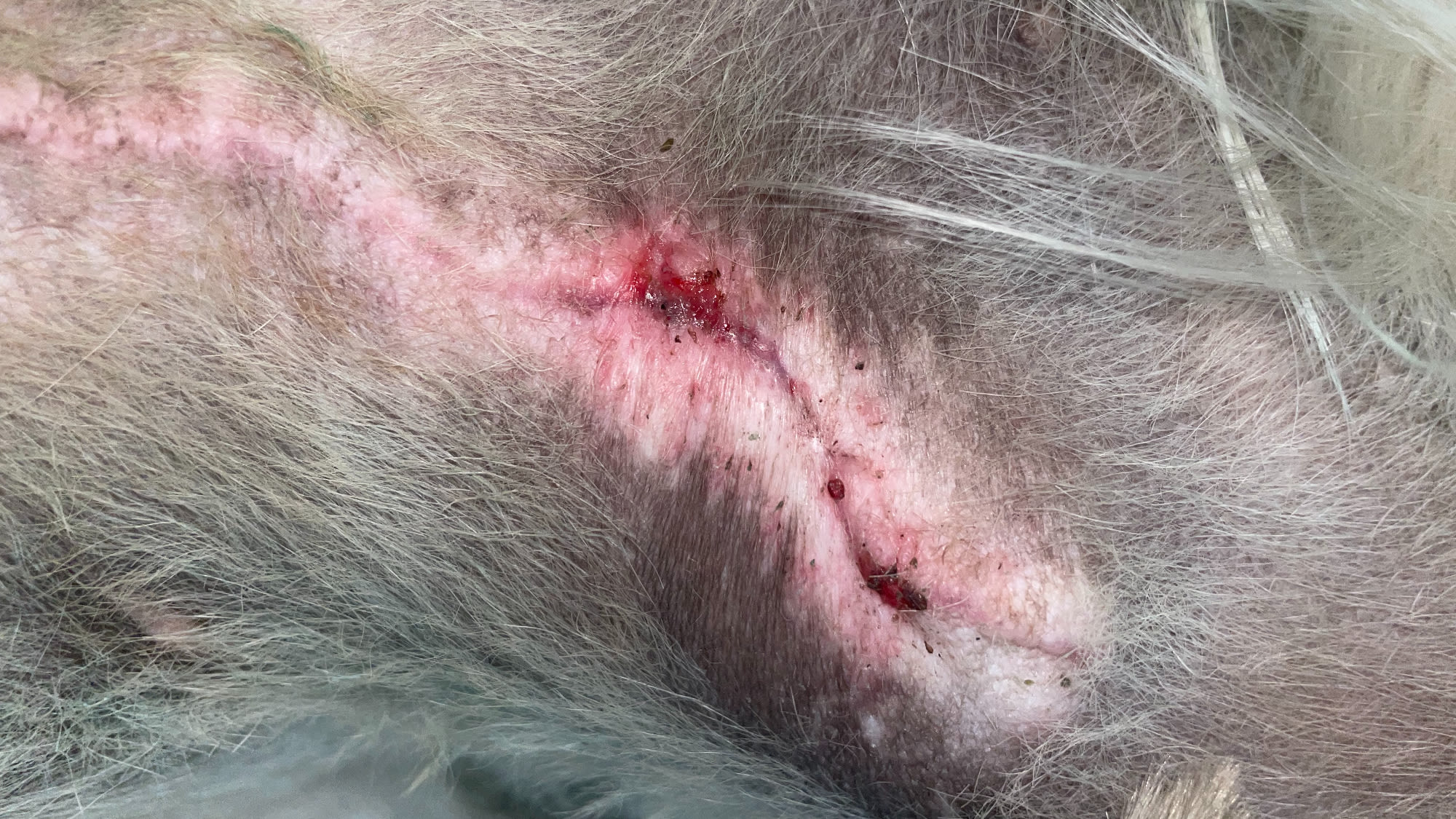

🚨 Contact your vet immediately if:
-
Swelling is rapidly increasing
-
The area is hot, painful, or very red
-
Pus or fluid leaks from the incision
-
Your dog is lethargic, feverish, or not eating
-
Stitches open or skin separates
What You Should Do Right Now
✅ Keep your dog calm and restricted
✅ Prevent licking (cone or recovery suit)
✅ Check the incision twice daily
✅ Take photos to track changes
❌ Do NOT press, squeeze, or massage swelling
❌ Do NOT apply human creams or ointments
❌ Do NOT allow running or jumping
How Vets Treat Incision Swelling
Treatment depends on the cause:
-
Observation and rest (mild inflammation)
-
Compression bandage or drainage (seroma)
-
Antibiotics (infection)
-
Anti-inflammatory or pain medication
Early treatment prevents serious complications.
How Long Should Swelling Last?
-
Mild swelling: 3–7 days
-
Seroma: 1–3 weeks, gradually shrinking
-
Infection: worsens without treatment
If swelling isn’t improving—or gets worse—it’s time to call the vet.
Final Takeaway
Swelling near a dog’s incision isn’t always an emergency—but it should never be ignored. The key is whether it’s improving or worsening. Watching closely and acting early can prevent pain, infection, and delayed healing.
🐾 When in doubt, trust your instincts. Healing should look better each day—not worse.