
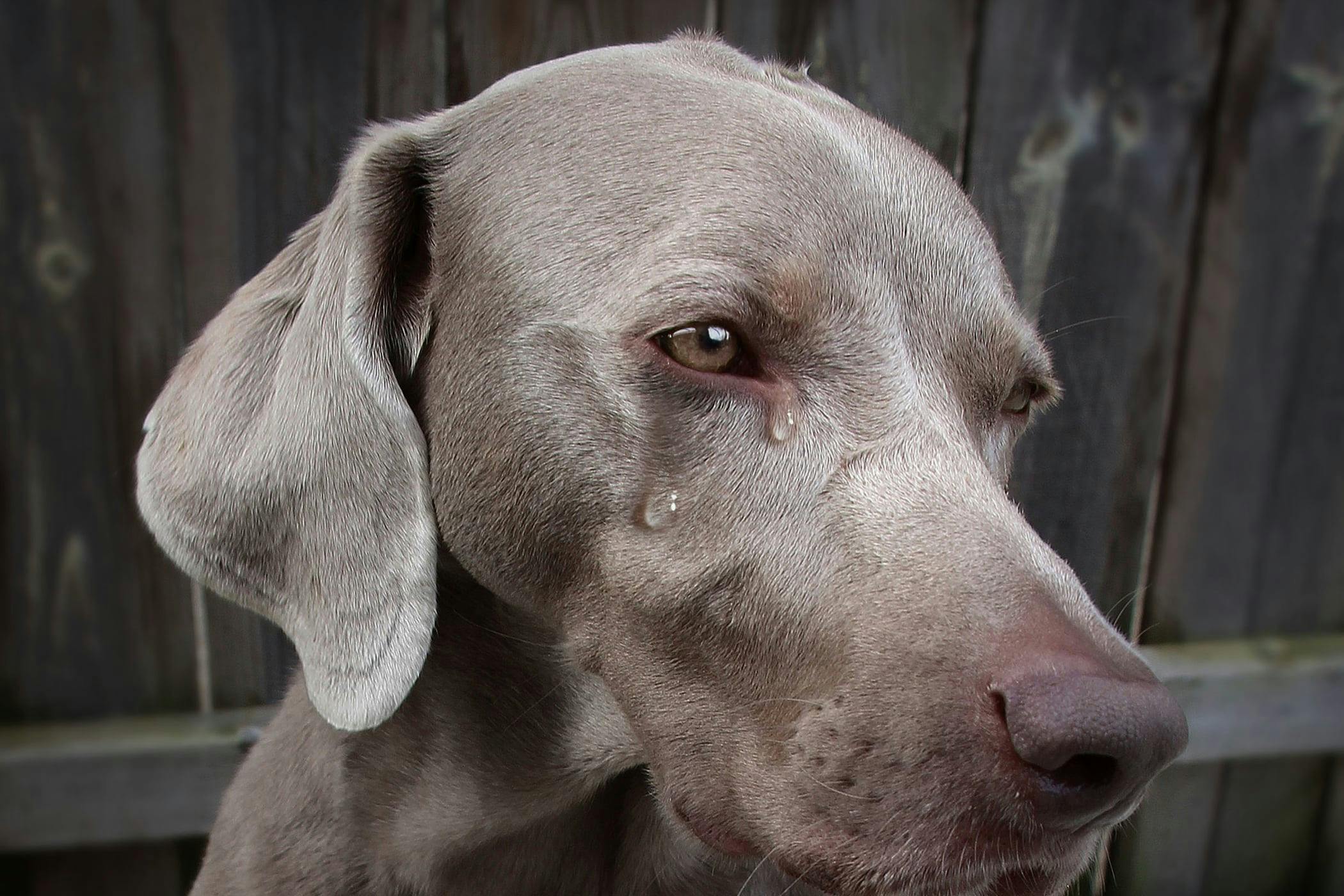
If your dog whines, cries, or yelps when getting up, walking, jumping, or changing position, this is a strong sign of pain. Dogs instinctively hide discomfort, so when they vocalize during movement, it often means the pain is significant and should not be ignored.
This article explains why dogs whine when moving, what conditions commonly cause it, when it’s an emergency, and what you should do right now.
What Pain-Related Whining Looks Like
You may notice your dog:
-
Whining or crying when standing up or lying down
-
Yelping when touched or lifted
-
Moving stiffly or very slowly
-
Hesitating before stairs, jumping, or walking
-
Hunching the back or holding a limb awkwardly
-
Licking a specific painful area
👉 Pain tied to movement is always meaningful.
Most Common Causes of Pain When Moving

1. Joint or Bone Pain
Very common, especially in adult and senior dogs.
-
Arthritis
-
Hip or elbow dysplasia
-
Knee injuries (ACL/CCL tears)
Pain often worsens after rest or activity.
2. Back or Neck Pain (IVDD)
⚠️ Especially common in small or long-backed breeds.
-
Crying when picked up
-
Reluctance to move
-
Stiff, hunched posture
This can worsen quickly without treatment.
3. Muscle or Soft-Tissue Injury
-
Sprains or strains
-
Slips or falls
-
Overexertion
Pain may appear suddenly after activity.
4. Abdominal or Internal Pain
Dogs may cry when moving due to:
-
Pancreatitis
-
GI pain
-
Organ inflammation
Often paired with lethargy or loss of appetite.
5. Injury or Trauma
Even if unseen:
-
Jumping off furniture
-
Rough play
-
Accidental slips
Dogs don’t always limp—but pain is still present.
6. Neurological Problems
-
Nerve compression
-
Spinal inflammation
Movement can trigger sharp pain responses.
When This Is an Emergency
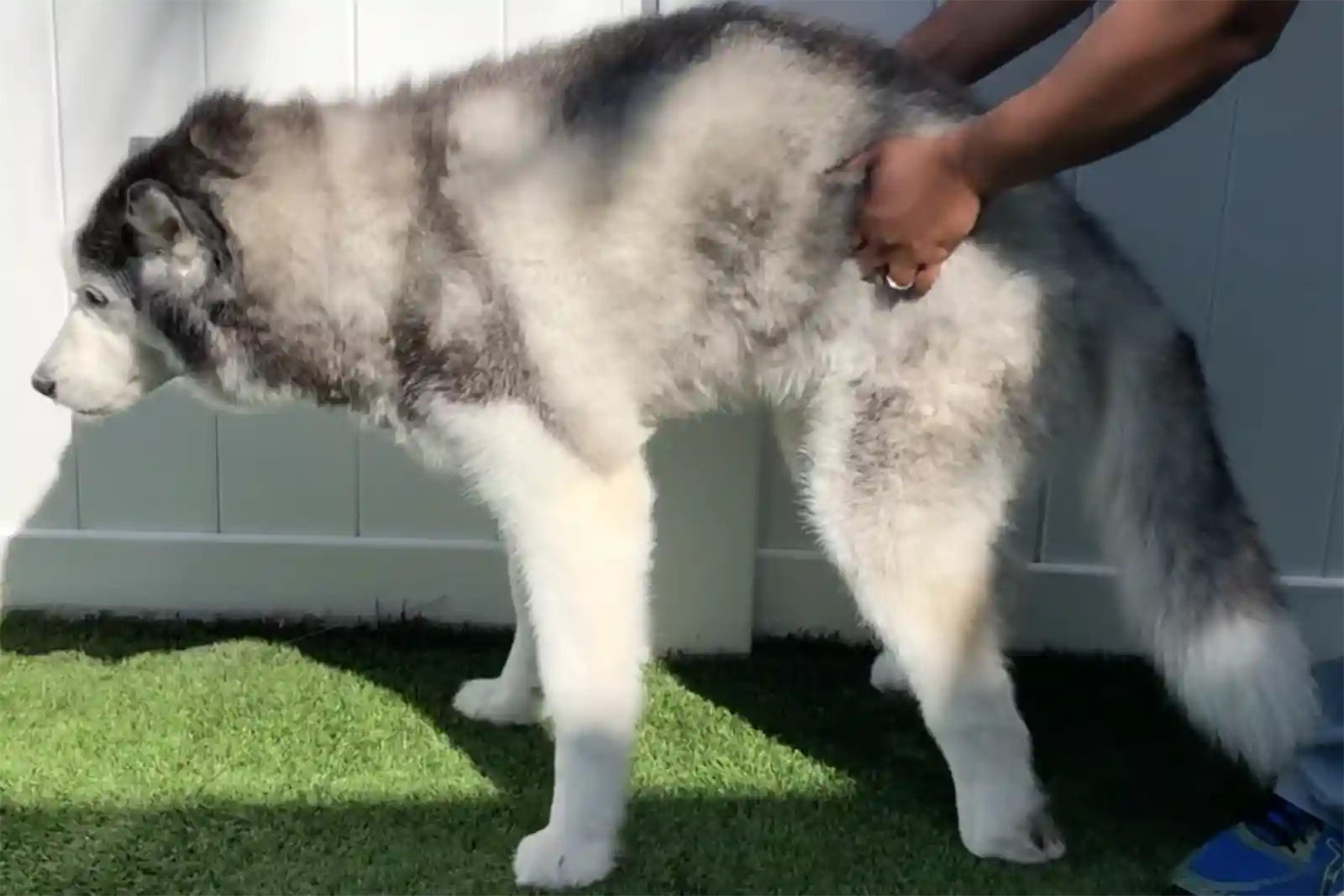
🚨 Seek urgent veterinary care if your dog:
-
Cries out suddenly and loudly
-
Refuses to move at all
-
Drags legs or collapses
-
Has back pain with weakness
-
Shows trembling, panting, or pale gums
-
Has worsening pain over hours
Pain that escalates quickly can signal serious spinal or internal issues.
What You Should Do Right Now
-
Restrict movement immediately
-
Do NOT force walking, jumping, or stairs
-
Avoid lifting unless necessary (support chest & hips)
-
Do NOT give human pain meds (toxic to dogs)
-
Contact your vet as soon as possible
If transport is needed, keep your dog as still as possible.
How Vets Diagnose Movement-Related Pain
Your veterinarian may:
-
Perform orthopedic & neurological exams
-
Check spine and joints
-
Take X-rays or imaging
-
Run blood work if internal pain is suspected
Early diagnosis prevents chronic pain or permanent damage.
Can Dogs Recover From Painful Movement?
Yes—many dogs recover very well when pain is treated early:
-
Pain medication & anti-inflammatories
-
Rest and physical therapy
-
Weight management
-
Surgery in severe cases
Delaying care often leads to longer recovery and worse outcomes.
Final Takeaway
If your dog whines like he’s in pain when moving, believe him. Vocal pain is one of the clearest signals dogs give—and it’s asking for help.
🐾 Pain is never “just aging” or “being dramatic.” Early action protects your dog’s comfort, mobility, and quality of life.