

Introduction
When substances are removed, emotions don’t disappear—they get louder. Anxiety, sadness, anger, and loneliness can surface with an intensity that feels overwhelming. This isn’t a failure of recovery; it’s a sign that your nervous system is recalibrating. Learning to handle negative emotions without substances is one of the most important—and empowering—skills in long-term healing.
Why Emotions Feel Stronger Without Substances
Substances often act as emotional anesthetics. They blunt discomfort and delay processing. When they’re gone, the brain must relearn how to regulate stress and mood naturally. During this phase:
-
The stress response can be hypersensitive.
-
Old emotional patterns resurface.
-
Feelings arrive without a familiar “off switch.”
This stage is temporary, but it requires practice and patience.
Handling Negative Emotions: Practical Tools That Work

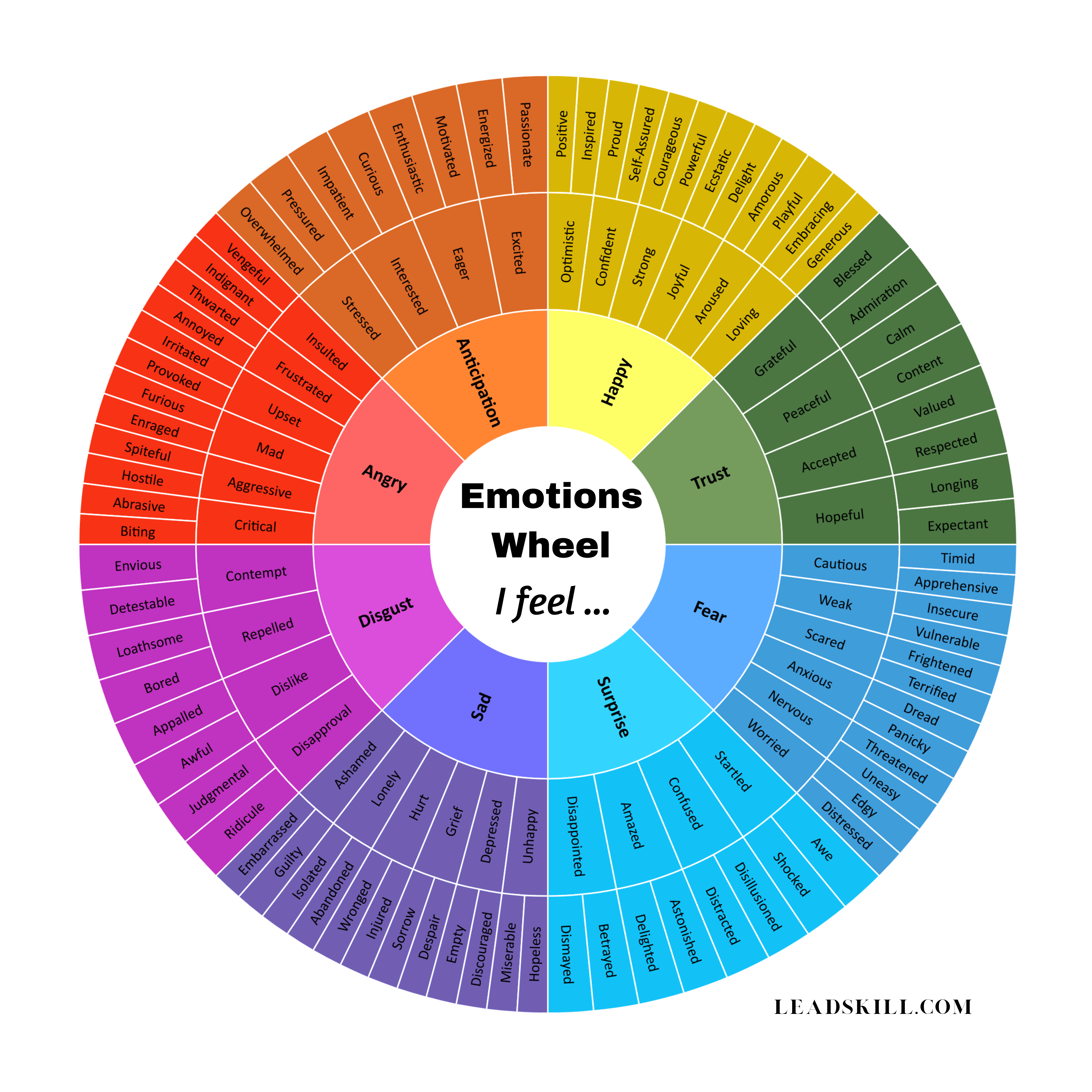

1. Name the Emotion (Don’t Fight It)
Labeling feelings—“This is anxiety” or “This is grief”—reduces their intensity. What you name, you can manage.
2. Ground the Body First
Emotions live in the nervous system. Try slow breathing (inhale 4, exhale 6), cold water on the wrists, or a short walk to signal safety to your body.
3. Allow, Then Choose
Let the feeling rise and fall without acting on it. After 60–90 seconds, choose a response that aligns with recovery: journaling, stretching, or calling someone supportive.
4. Reframe the Message
Ask: “What is this emotion trying to tell me?” Anger may point to boundaries. Sadness may ask for rest or connection.
5. Build a Support Loop
Share feelings before they turn into urges. Connection metabolizes emotion faster than isolation.
Common Pitfalls—and How to Avoid Them
-
Suppressing emotions: This increases pressure. Practice short, regular check-ins instead.
-
Judging yourself for feelings: Emotions aren’t moral failures; they’re data.
-
Waiting for motivation: Use routines. Action often precedes relief.
What Progress Really Looks Like
Progress isn’t the absence of negative emotions—it’s confidence that you can feel them and still choose wisely. Over time, emotions become signals rather than emergencies. You build trust in yourself, and that trust becomes a powerful relapse-prevention tool.