

Introduction
Recovery is often portrayed as a hopeful journey—one filled with renewed purpose, healing, and strength. But beneath the surface, many people in recovery experience hidden signs of depression that are easily overlooked by others—and sometimes even by themselves. These signs don’t always look like sadness or tears. Instead, they quietly influence thoughts, behaviors, and daily routines, making recovery feel heavier than it should.
Understanding these subtle signals is essential—not only for those in recovery, but also for loved ones, counselors, and support communities.
1. Emotional Numbness Instead of Sadness
One of the most misunderstood signs of depression in recovery is emotional flatness. Rather than feeling deeply sad, a person may feel nothing at all. Joy, excitement, and even pain can feel muted. This numbness is often mistaken for “stability,” but it can be a warning sign that emotional healing hasn’t fully begun.

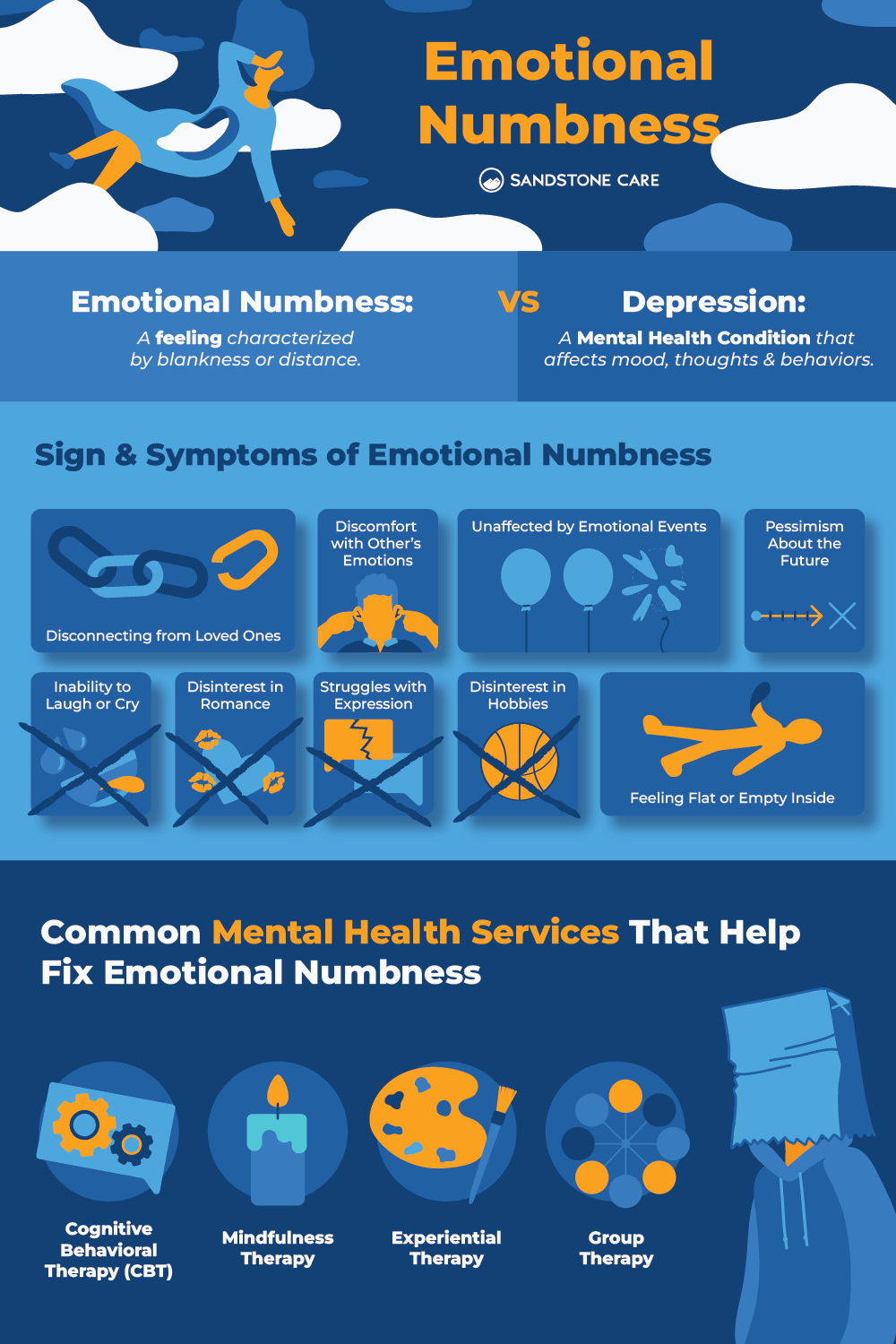
Image caption: Emotional numbness can hide depression behind a calm exterior.
2. Loss of Motivation (Even for Positive Habits)
Skipping meetings, neglecting self-care, or losing interest in hobbies that once helped can signal depression. In recovery, this is often misinterpreted as laziness or lack of commitment—when in reality, depression drains energy and motivation, even for things that matter deeply.


Image caption: Loss of motivation is often a symptom of depression, not a lack of willpower.
3. Irritability and Emotional Reactivity
Depression doesn’t always show up as sadness—it can appear as anger, frustration, or impatience. Small problems may feel overwhelming, and emotional reactions can seem disproportionate. In recovery, this irritability is often a response to unresolved emotional pain.


Image caption: Irritability can be an overlooked emotional signal of depression.
4. Persistent Fatigue and Sleep Changes
Feeling exhausted despite adequate rest, or experiencing insomnia and oversleeping, are common hidden signs. Recovery already demands emotional and physical energy, and depression amplifies fatigue, making everyday tasks feel overwhelming.


Image caption: Sleep disturbances often accompany depression during recovery.
5. Overthinking and Excessive Self-Criticism
A depressed mind often becomes a harsh judge. Replaying past mistakes, doubting progress, or feeling undeserving of recovery success are subtle but powerful signs. This mental loop can quietly erode confidence and increase relapse risk.


Image caption: Constant self-criticism is a common cognitive sign of depression.
Why These Hidden Signs Matter
Unrecognized depression in recovery can quietly increase emotional pain, isolation, and vulnerability to relapse. The danger lies not in weakness—but in silence. When these signs are ignored, people may feel confused, ashamed, or believe they are “failing” at recovery.
Recognizing these patterns early allows for:
-
Timely emotional support
-
Better coping strategies
-
Stronger, more sustainable recovery
Final Thoughts
Recovery isn’t just about stopping substance use—it’s about rebuilding emotional well-being. Depression doesn’t mean recovery isn’t working; it means deeper healing is needed. Paying attention to the hidden signs can make the difference between surviving recovery and truly living it.
If you or someone you care about recognizes these signs, reaching out—to a therapist, support group, or trusted person—can be a powerful next step. Healing doesn’t have to happen alone.