

Understanding the Brain, the Urge, and Why “Just Stop” Rarely Works
Introduction
Cravings are intense, persistent urges that push people toward certain behaviors—food, alcohol, nicotine, gaming, or social media. While everyone experiences cravings at times, people with ADHD experience them differently, more intensely, and more impulsively.
For someone with ADHD, cravings aren’t simply about desire. They are deeply tied to how the brain processes dopamine, reward, time, and emotional regulation. This is why advice like “just use willpower” often fails—and can even feel invalidating.
This article explains why cravings hit harder in ADHD, what’s happening inside the brain, and how understanding this difference can lead to better coping strategies.
The ADHD Brain and Dopamine: The Core Difference

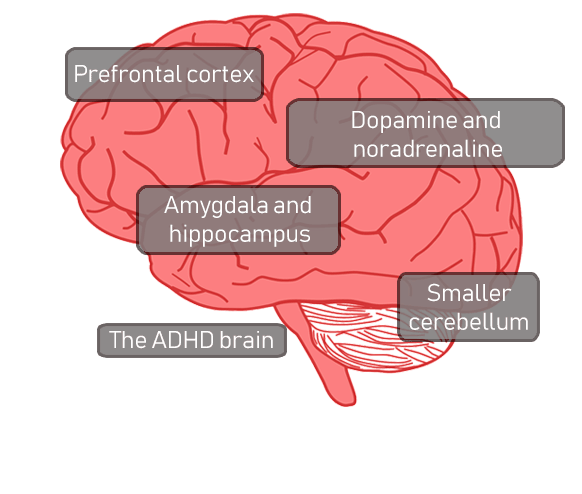
Dopamine is a neurotransmitter responsible for motivation, reward, and anticipation of pleasure. In ADHD, dopamine signaling tends to be lower or less efficient, especially in areas that control impulse regulation and delayed gratification.
Because of this:
-
Everyday activities feel under-stimulating
-
The brain constantly seeks fast dopamine rewards
-
Cravings become a neurological drive, not a character flaw
Substances and behaviors that deliver dopamine quickly—like sugar, alcohol, nicotine, or scrolling—feel especially compelling to the ADHD brain.
Image caption: Dopamine pathways in the brain influence motivation, reward, and craving intensity—key systems affected in ADHD.
Cravings Are More Urgent and More Physical in ADHD
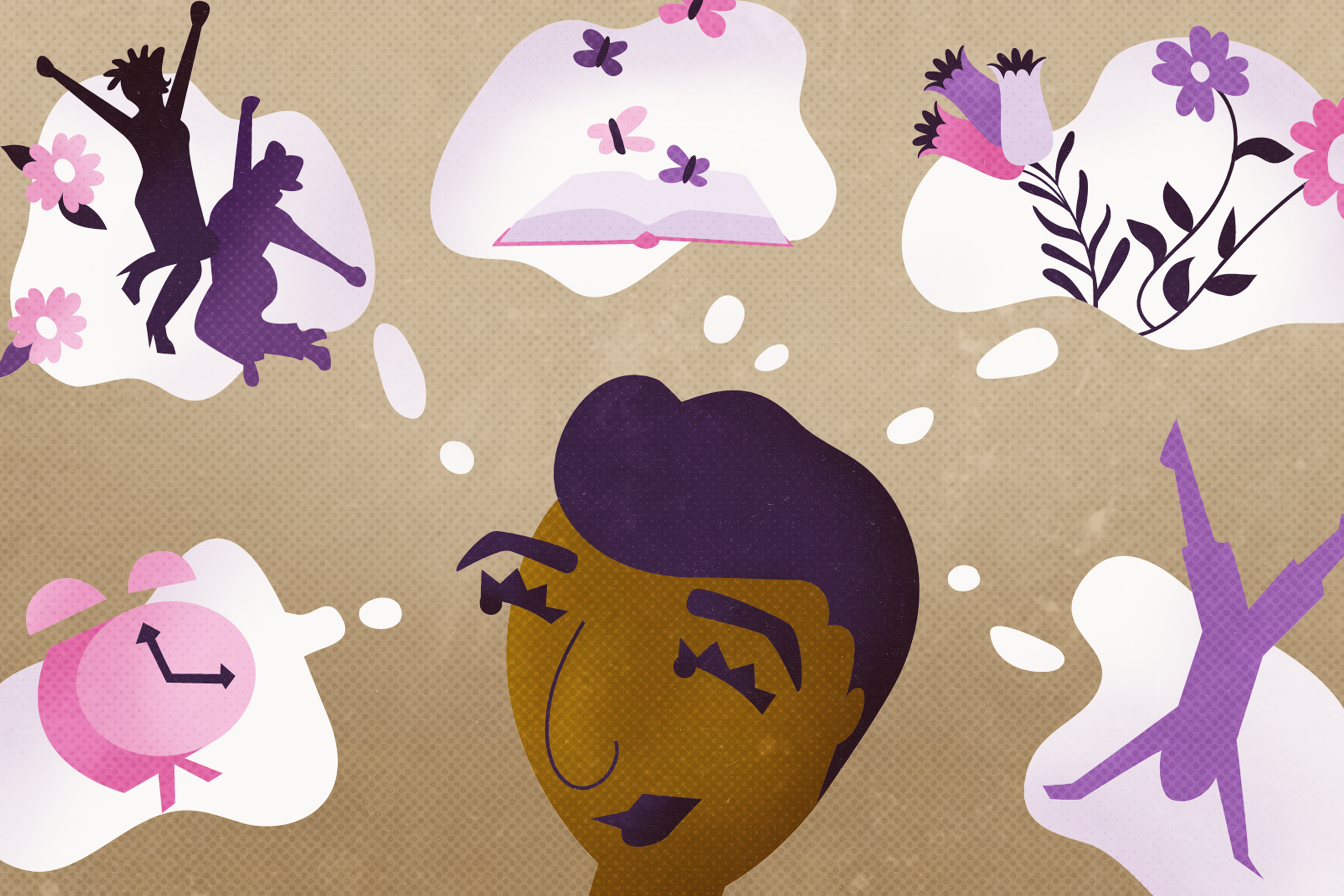

In ADHD, the brain’s prefrontal cortex—responsible for planning, inhibition, and self-control—has reduced regulatory power over impulsive urges.
As a result, cravings often feel:
-
Immediate (“I need this now”)
-
Overwhelming rather than mild
-
Hard to pause or think through
-
Physically uncomfortable when resisted
For many people with ADHD, cravings aren’t quiet thoughts—they’re loud signals demanding action.
Image caption: Reduced impulse control in ADHD makes cravings feel more urgent and harder to delay.
Emotional Dysregulation Turns Feelings into Cravings


ADHD is not just about attention—it also affects emotional regulation. Strong emotions arrive quickly and fade slowly.
This means:
-
Stress triggers cravings faster
-
Boredom feels intolerable
-
Anxiety seeks instant relief
-
Emotional discomfort translates into urges
Cravings often become a shortcut to emotional regulation, not because the person lacks discipline, but because their brain is wired to escape discomfort as quickly as possible.
Image caption: In ADHD, emotional intensity often fuels cravings as a form of rapid self-soothing.
Why Delayed Rewards Don’t Work Well


People with ADHD experience time blindness, meaning future rewards feel abstract and distant. This makes long-term consequences less emotionally persuasive than immediate relief.
So when facing a craving:
-
“I’ll feel better tomorrow” doesn’t register strongly
-
Immediate dopamine outweighs long-term goals
-
Logical reasoning loses to urgency
This is why traditional advice like “think about the consequences” often fails—because the ADHD brain prioritizes now over later.
Image caption: Time perception differences in ADHD reduce the power of delayed rewards.
Cravings vs. Addiction: Why ADHD Increases Risk

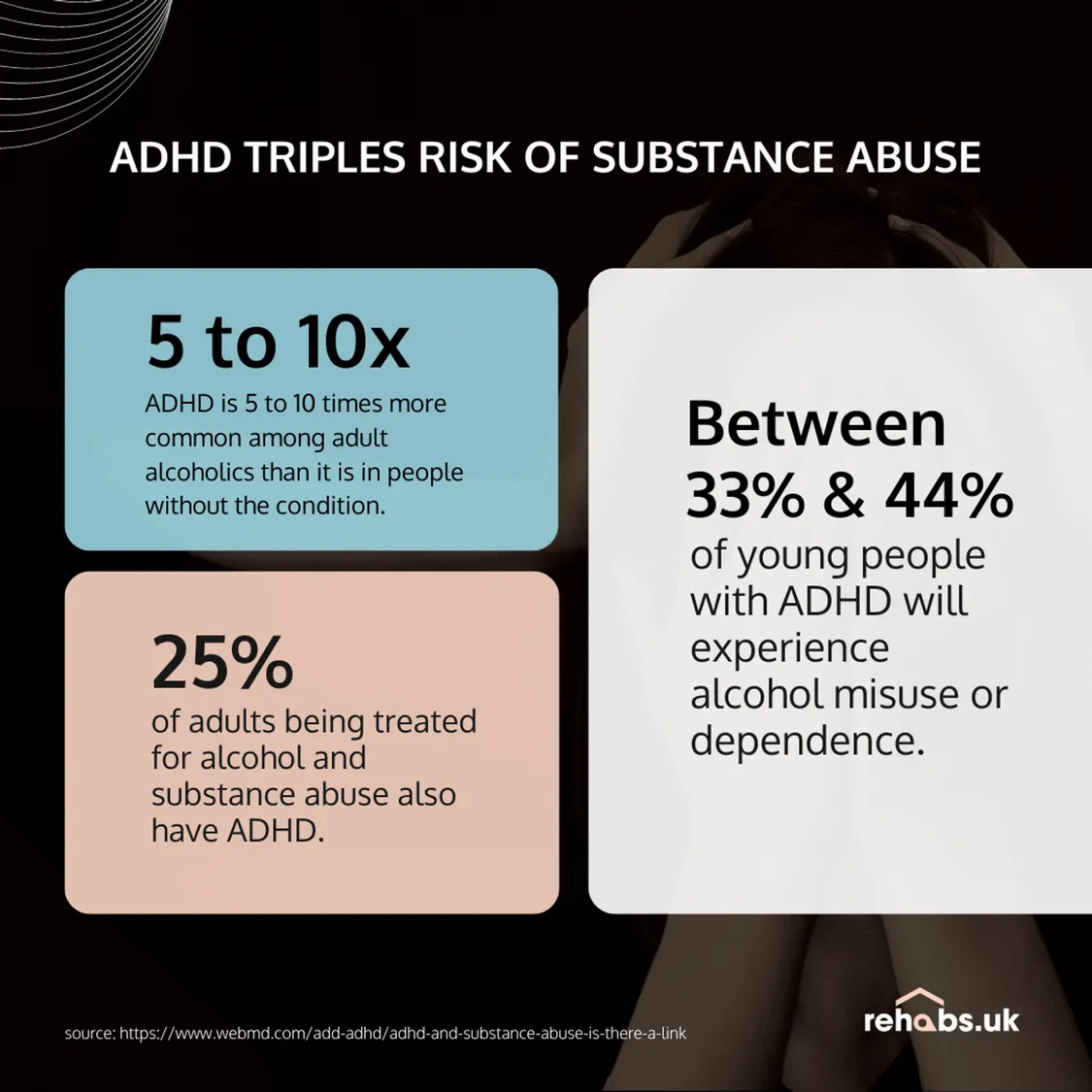

Because cravings are stronger, faster, and harder to regulate, ADHD significantly increases the risk of habit formation and addiction.
Key factors include:
-
Stronger dopamine-seeking behavior
-
Lower impulse inhibition
-
Higher emotional reactivity
-
Greater reliance on external regulation
This doesn’t mean people with ADHD lack control—it means they face a higher neurological load when resisting cravings.
Image caption: ADHD-related dopamine patterns can increase vulnerability to addictive behaviors.
What Actually Helps ADHD-Related Cravings
Understanding cravings as a brain-based process allows for more effective strategies, such as:
-
Reducing decision fatigue
-
Creating external structure instead of relying on willpower
-
Managing stimulation proactively
-
Treating emotional regulation as primary, not secondary
Cravings don’t disappear overnight—but they become manageable when approached with compassion, science, and the right supports.