

Introduction
Relapse rarely begins with a substance—it often begins with a feeling. Intense emotions like anger, fear, loneliness, guilt, or overwhelming joy can quietly push the brain back toward old coping patterns. For people in recovery, learning how emotions influence cravings is just as important as avoiding triggers like people or places.
This article explores how intense emotions trigger relapse, what happens in the brain during emotional overload, and how to interrupt the process before it turns into action.
1. The Emotional Roots of Relapse
Many people think relapse happens because of weak willpower. In reality, it’s more often the result of emotional dysregulation.
When emotions feel too strong to manage, the brain searches for immediate relief. If substances once provided fast comfort or escape, the brain remembers that shortcut—especially under emotional stress.
Common emotional relapse triggers include:
-
Deep loneliness or rejection
-
Anger that feels uncontrollable
-
Shame or self-blame
-
Anxiety and fear about the future
-
Emotional exhaustion or burnout
These feelings don’t cause relapse instantly—but they lower resistance, making cravings louder and judgment weaker.
2. What Happens in the Brain During Emotional Overload

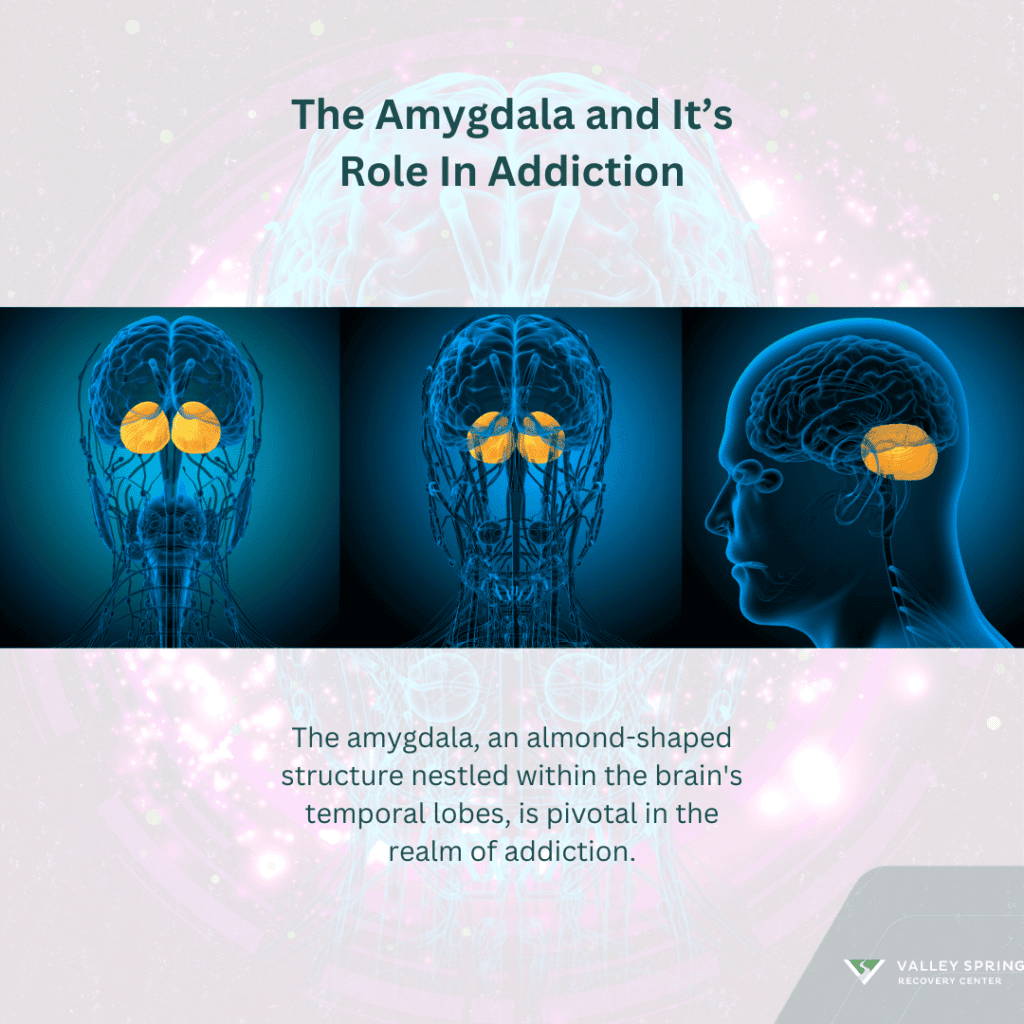

Intense emotions activate the amygdala, the brain’s threat and survival center. When this happens:
-
The prefrontal cortex (responsible for logic and self-control) becomes less active
-
Impulse control weakens
-
The brain prioritizes immediate relief over long-term consequences
At the same time, stress hormones like cortisol increase, amplifying cravings and emotional urgency. The brain isn’t choosing relapse—it’s reacting.
3. Why Suppressing Emotions Makes Relapse More Likely
Avoiding or suppressing emotions may feel protective, but it often backfires.
Unexpressed emotions build pressure. Over time, that pressure seeks release—and substances once served that function. When emotions finally break through, they often do so intensely, increasing relapse risk.
Healthy recovery doesn’t mean avoiding emotions. It means learning how to feel without escaping.
4. Emotional Warning Signs Before Relapse
Relapse is a process, not an event. Emotional warning signs often appear days or weeks beforehand:
-
Feeling emotionally numb or detached
-
Increased irritability or sudden mood swings
-
Isolating from others
-
Romanticizing past substance use
-
Thinking “I deserve relief” or “Just once won’t matter”
Recognizing these signs early creates space to intervene before urges become behavior.
5. How to Break the Emotion–Relapse Cycle
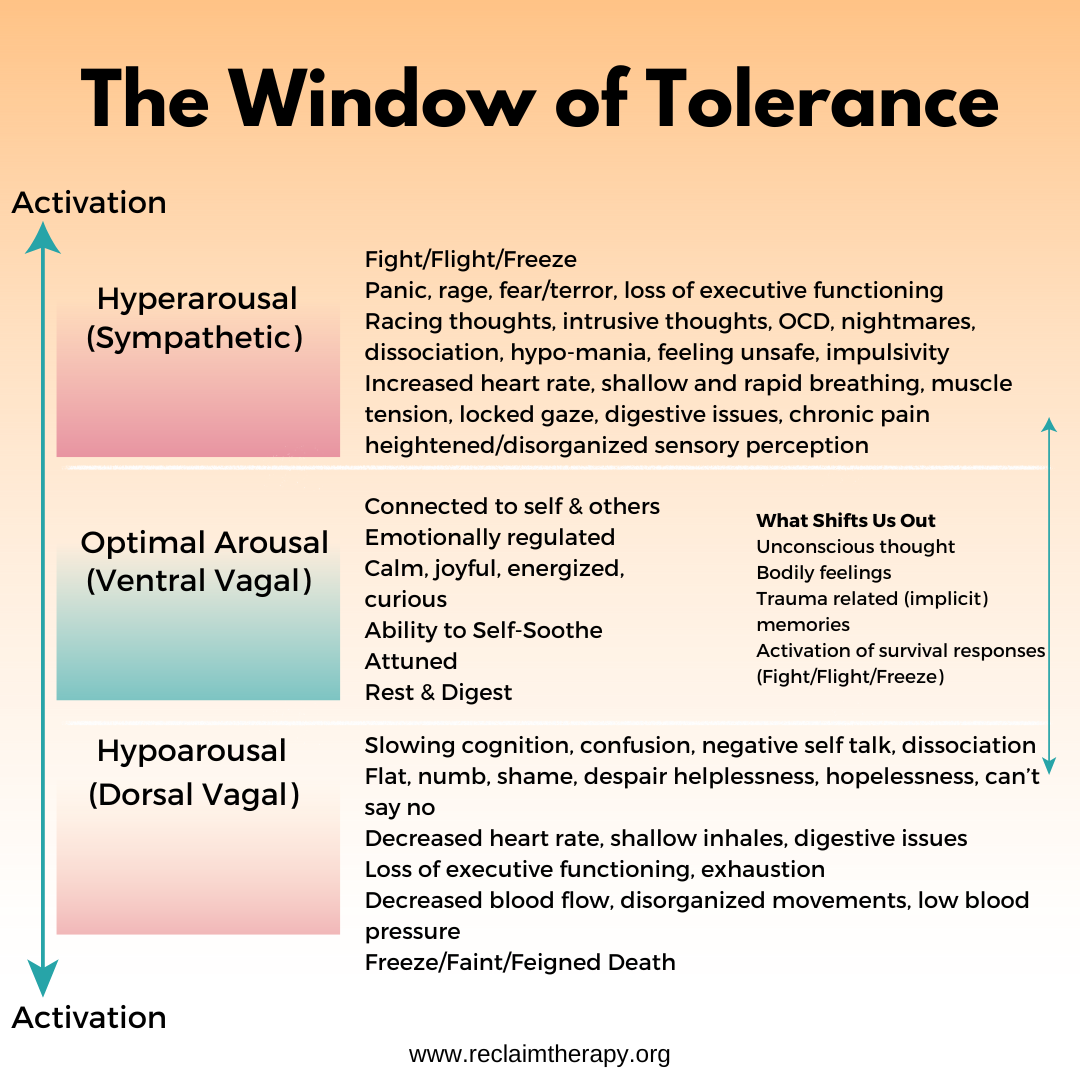

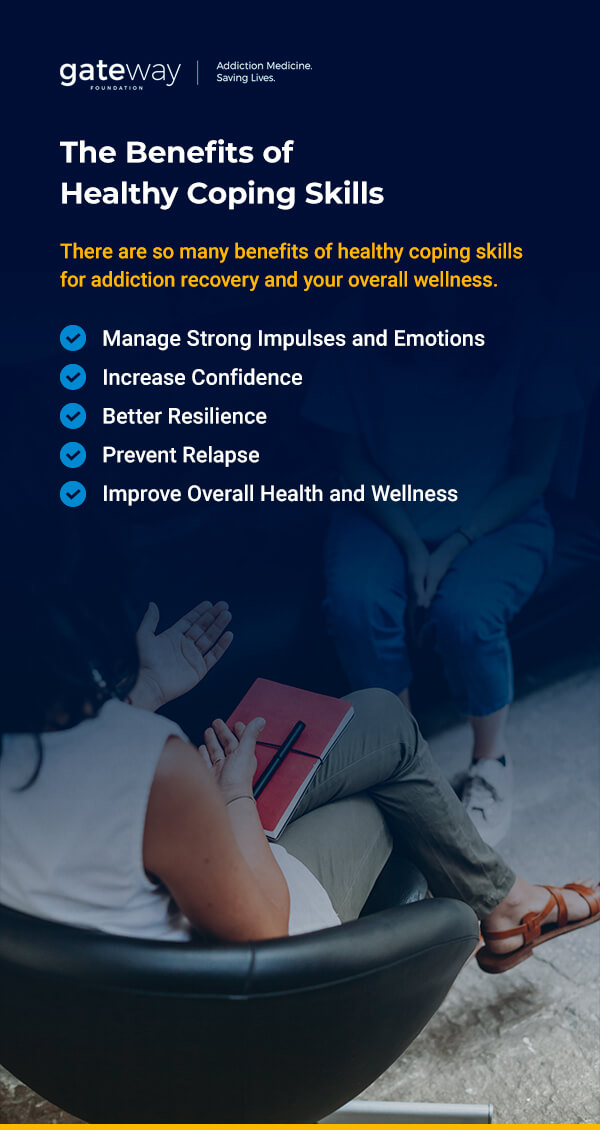
Effective strategies focus on regulation, not suppression:
-
Name the emotion: labeling feelings reduces their intensity
-
Pause before reacting: even 90 seconds can calm the stress response
-
Use grounding techniques: breathing, cold water, movement
-
Talk it out: connection reduces emotional load
-
Build emotional skills: therapy, journaling, mindfulness
Each time emotions are handled without substances, the brain learns a new pathway.
6. Recovery Is Emotional Training
Recovery isn’t about eliminating intense emotions—it’s about becoming strong enough to experience them safely.
Emotions will always rise and fall. What changes in recovery is your ability to ride the wave instead of escaping it. Emotional resilience grows with practice, support, and self-compassion.
Relapse doesn’t mean failure. It means there’s more emotional learning to be done—and that learning is possible.