

Introduction
Cravings often feel sudden and overwhelming—like an urgent command rather than a passing thought. Whether the craving is for substances, food, or compulsive behaviors, it usually comes with intense emotions and racing thoughts. One surprisingly powerful tool to regain control is journaling. Writing doesn’t just record what you feel; it actively changes how your brain processes cravings.
Why Cravings Feel So Powerful
Cravings are driven by emotional triggers, stress, memory, and habit loops. When emotions rise quickly, the brain’s impulse system becomes louder while rational thinking gets quieter. This is why people often act before they think.
Journaling creates a pause. And that pause is critical.
How Journaling Helps Control Cravings

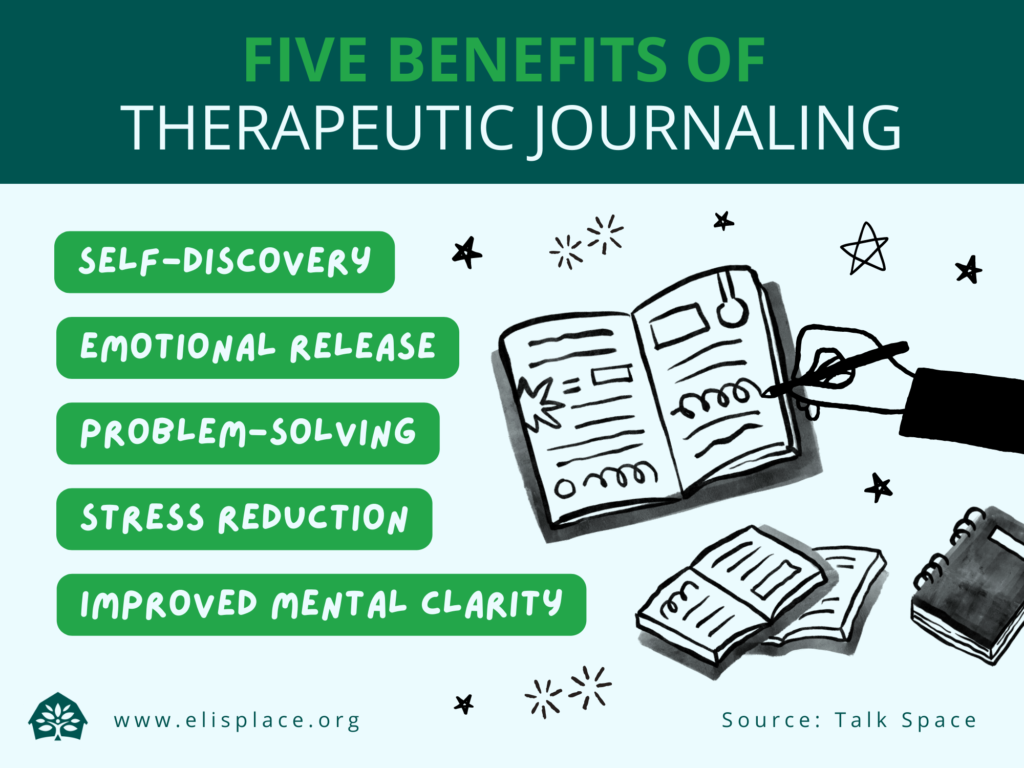

1. It Slows Down the Urge
When you write, you interrupt the automatic craving cycle. Putting thoughts on paper forces the brain to shift from impulsive reaction to reflection. Even a few minutes of writing can reduce the intensity of an urge.
Image caption: Writing creates a mental pause between urge and action.
2. It Makes Cravings Visible
Cravings often feel vague and uncontrollable. Journaling turns them into clear words:
-
What am I craving?
-
When did it start?
-
What emotion came first?
Once a craving is defined, it becomes easier to manage.
Image caption: Naming the craving reduces its emotional power.
3. It Connects Cravings to Emotions
Most cravings are not about desire—they’re about relief. Journaling helps uncover the emotion underneath: anxiety, loneliness, anger, boredom, or sadness. When you address the emotion, the craving often weakens on its own.
Image caption: Understanding emotions helps dissolve the urge.
4. It Builds Emotional Regulation
Regular journaling strengthens your ability to tolerate uncomfortable feelings without reacting. Over time, the brain learns that emotions are temporary and manageable—even without giving in.
Image caption: Journaling trains the brain to stay calm under stress.
5. It Tracks Progress and Patterns
Writing daily helps you spot patterns:
-
Certain times of day
-
Specific people or situations
-
Emotional states that trigger urges
Awareness leads to preparation—and preparation leads to control.
Image caption: Patterns reveal triggers you can plan for.
Simple Journaling Prompts for Cravings
You don’t need to write perfectly. Just write honestly.
-
What am I feeling right now?
-
What happened just before this craving?
-
What do I really need in this moment?
-
What would help me feel even 10% better?
-
If I don’t act on this craving, what might change?
How Long Does It Take to Work?
Many people notice relief within minutes of writing. Long-term benefits grow with consistency. Journaling doesn’t eliminate cravings overnight—but it reduces their intensity, frequency, and control over time.
Final Thought
Cravings thrive in silence and chaos. Journaling brings clarity, structure, and compassion into moments that feel out of control. Each page becomes proof that you can pause, reflect, and choose differently.
You don’t write to be perfect—you write to be free.