

Introduction
The first 30 days of being clean mark one of the most important turning points in recovery. During this time, the brain begins a slow but powerful process of healing from chronic stress, substance exposure, and emotional overload. While challenges like mood swings, anxiety, and fatigue are common, neuroscience shows that meaningful recovery is already underway.
Understanding what happens inside the brain during these first 30 days can bring hope, patience, and motivation to keep going.
What Stress Does to the Brain

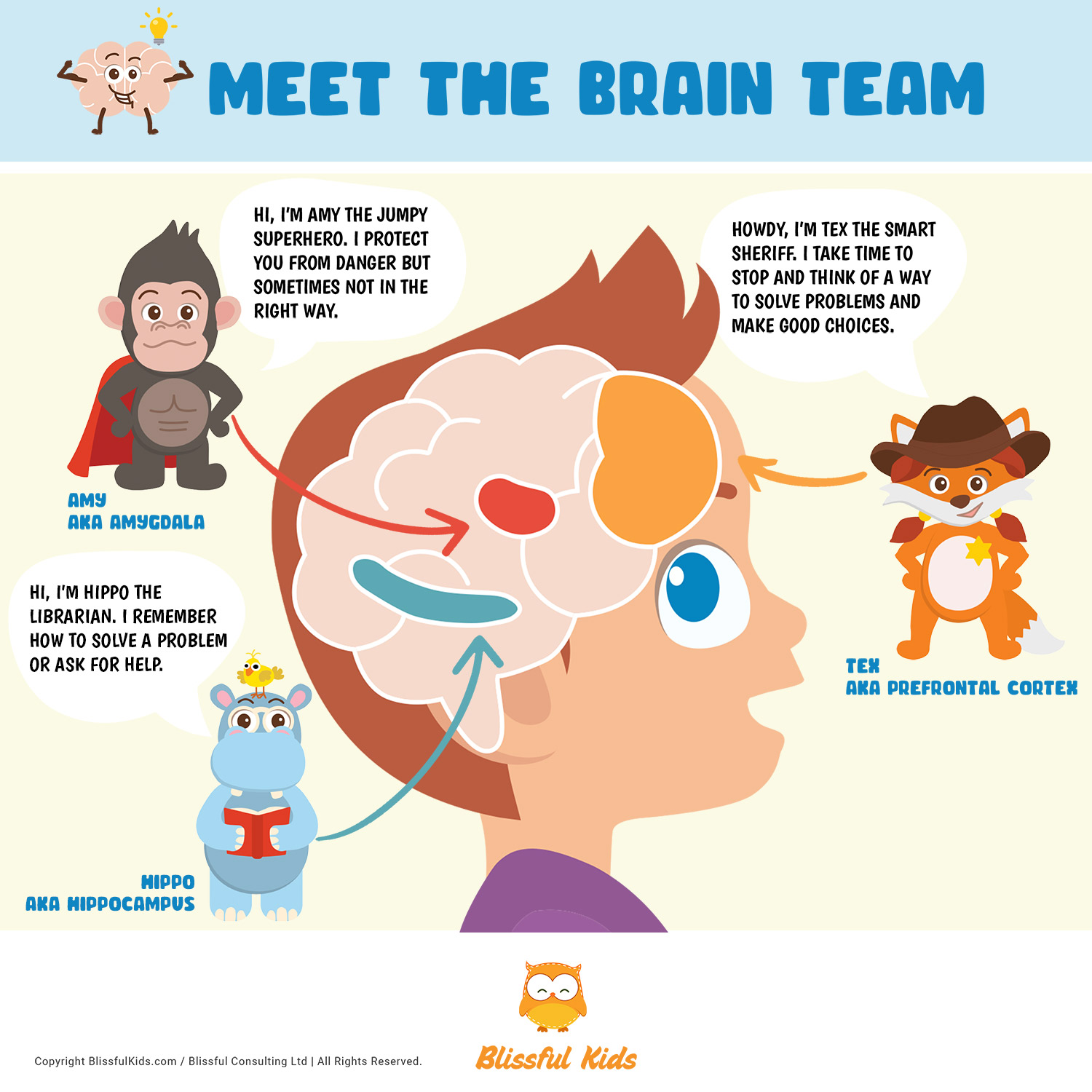

Before recovery begins, prolonged stress and substance use reshape the brain in several ways:
Image caption: Chronic stress overactivates the amygdala (fear center) while weakening areas responsible for memory, decision-making, and emotional regulation.
-
The amygdala becomes hyper-reactive, increasing fear, irritability, and cravings
-
The prefrontal cortex loses efficiency, impairing judgment and impulse control
-
The hippocampus shrinks under stress, affecting memory and emotional balance
-
Stress hormones like cortisol remain elevated, keeping the nervous system on high alert
This state makes relapse more likely—not because of weakness, but because the brain is stuck in survival mode.
The First 7–10 Days: Calming the Alarm System
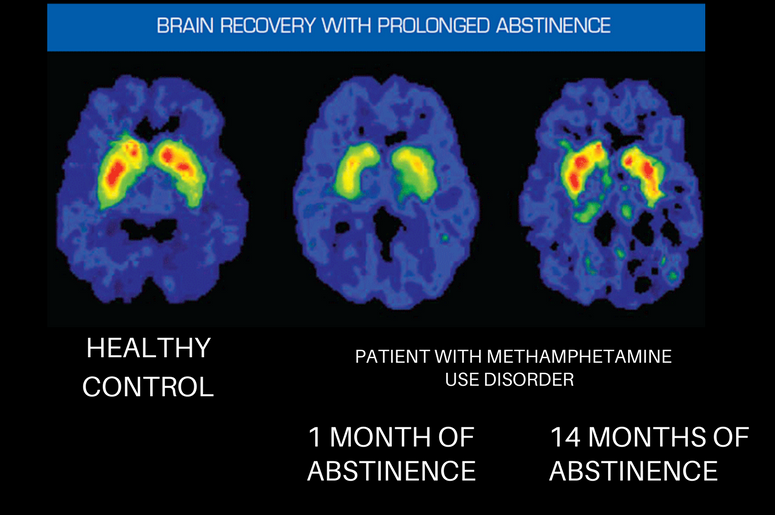


Image caption: In early recovery, the brain begins lowering cortisol levels and recalibrating the stress response.
During the first week to ten days clean:
-
Cortisol levels start to decrease
-
The nervous system shifts from constant “fight or flight” toward balance
-
Sleep may still be disrupted, but circadian rhythms begin stabilizing
-
Emotional sensitivity is high as the brain adjusts without substances
This phase can feel uncomfortable, but it’s a sign the brain is rebooting—not failing.
Days 10–20: Neurochemical Rebalancing
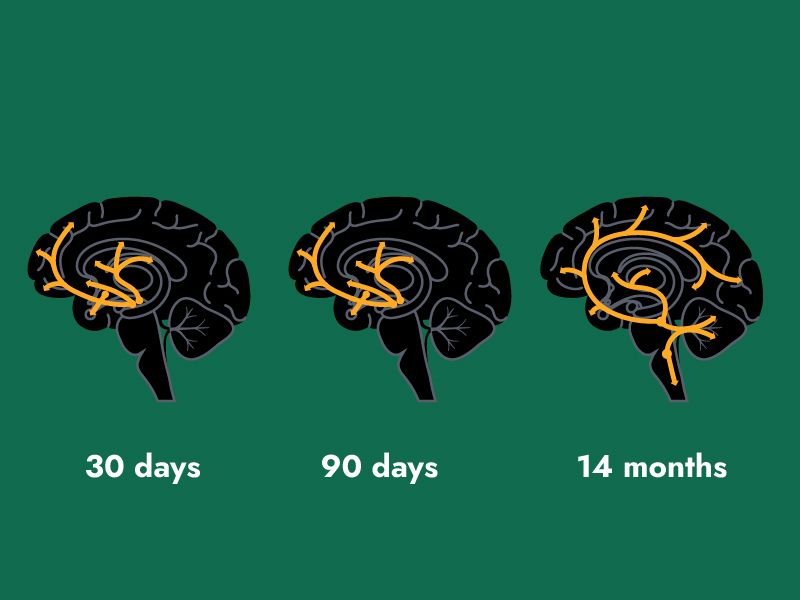


Image caption: As recovery continues, dopamine and serotonin systems begin restoring natural reward and mood regulation.
Between days 10 and 20:
-
Dopamine receptors start regaining sensitivity
-
Natural pleasure slowly returns, though it may feel muted at first
-
Anxiety spikes become less frequent
-
Emotional reactions become more proportional
This is when many people notice brief moments of clarity or calm—important signs of healing.
By Day 30: Rebuilding Emotional Control
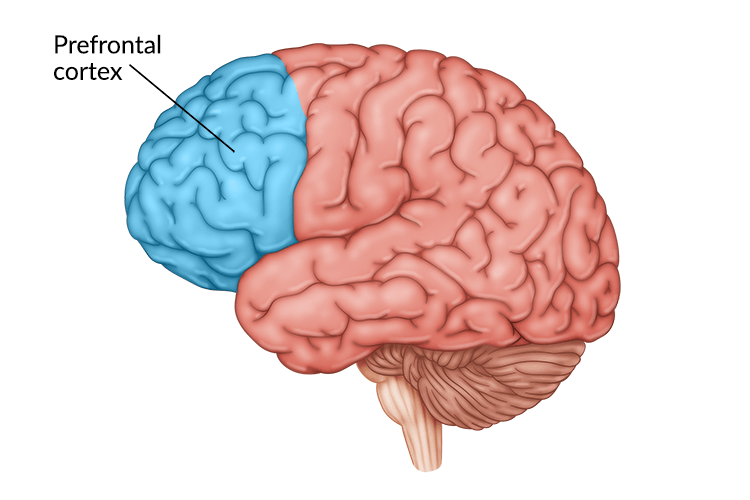


Image caption: After 30 days clean, the prefrontal cortex strengthens its ability to regulate emotions and stress responses.
At the 30-day mark:
-
The prefrontal cortex becomes more active and efficient
-
Stress triggers feel less overwhelming
-
Cravings are shorter and easier to manage
-
Emotional regulation improves, even under pressure
While the brain isn’t fully healed yet, it’s no longer stuck in crisis mode.
Why 30 Days Clean Changes Stress Tolerance
One of the most profound shifts after 30 days clean is increased stress resilience. The brain learns that it can survive discomfort without chemical escape. Each stressful moment faced without relapse strengthens neural pathways linked to coping, patience, and self-trust.
Stress no longer equals danger—it becomes information.
Supporting Brain Recovery After 30 Days


Image caption: Healthy routines accelerate neuroplasticity and help the brain fully recover from chronic stress.
To support ongoing brain healing:
-
Prioritize consistent sleep
-
Practice mindfulness or slow breathing
-
Engage in regular movement or exercise
-
Maintain structured routines
-
Limit high-stress environments when possible
These habits actively rebuild the brain’s stress-management systems.
Conclusion
Thirty days clean is not just a milestone—it’s a neurological breakthrough. The brain begins releasing its grip on survival mode and re-learning balance, safety, and emotional control. While recovery continues beyond this point, the foundation has already been laid.
Every calm response, every urge resisted, and every healthy choice strengthens the brain’s ability to handle stress without relapse. Healing is happening—even when it doesn’t feel like it yet.