
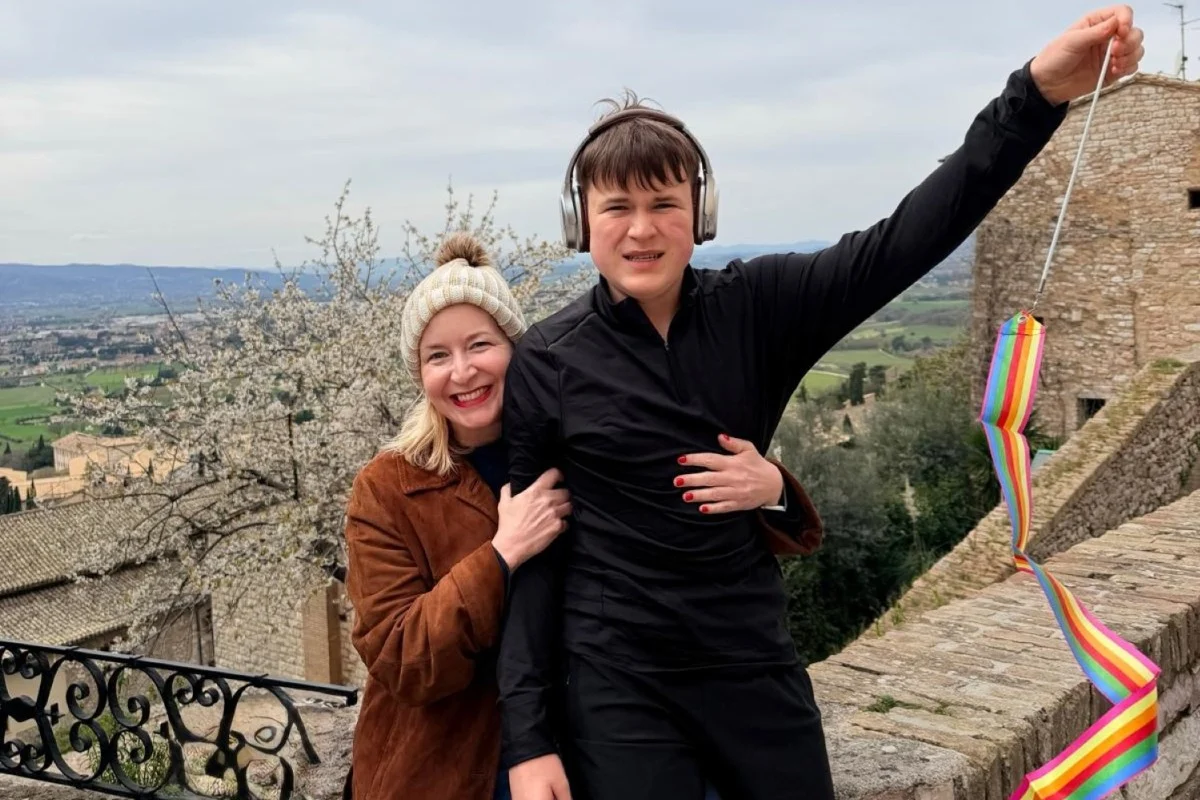
Mary Schaus set up the non-profit Talos Foundation to promote neurodiversity awareness and inclusion through simple strategies
In the third of a series on challenges facing Hong Kong’s growing autistic population, Tara Loader Wilkinson speaks with a mother of an autistic son who found a simple way to help boost acceptance of neurodivergent people, and a filmmaker who is giving them a voice.
Sometimes the small things make the biggest difference. So it was with 12-year-old Alexander Talos Schaus, who was born in Hong Kong and diagnosed with autism at the age of three.
He is largely non-speaking; he communicates with limited words and through a tool known as an augmentative and alternative communication (AAC) device.
In his early years, Alex was frequently treated with disrespect and bullied for behaviours such as tapping, fidgeting or verbal “stimming” – making vocalisations such as humming or repeating words and sounds to self-regulate.
Things are different now.
“Alex now wakes up every morning with a smile,” says his mother, American-born legal industry executive Mary Schaus, who has lived in Hong Kong since 2004 and also has an older son, Kane.
One of its simplest and most effective strategies has been to distribute free lanyards, buttons and stickers that identify someone’s neurodiversity or special educational needs (SEN).
Talos Foundation has distributed 20,000 of these items, largely freeing the individuals who wear them and their carers from the need to repeatedly explain their behaviour, especially in high-stress public settings such as planes, buses, the MTR, shopping centres and restaurants.
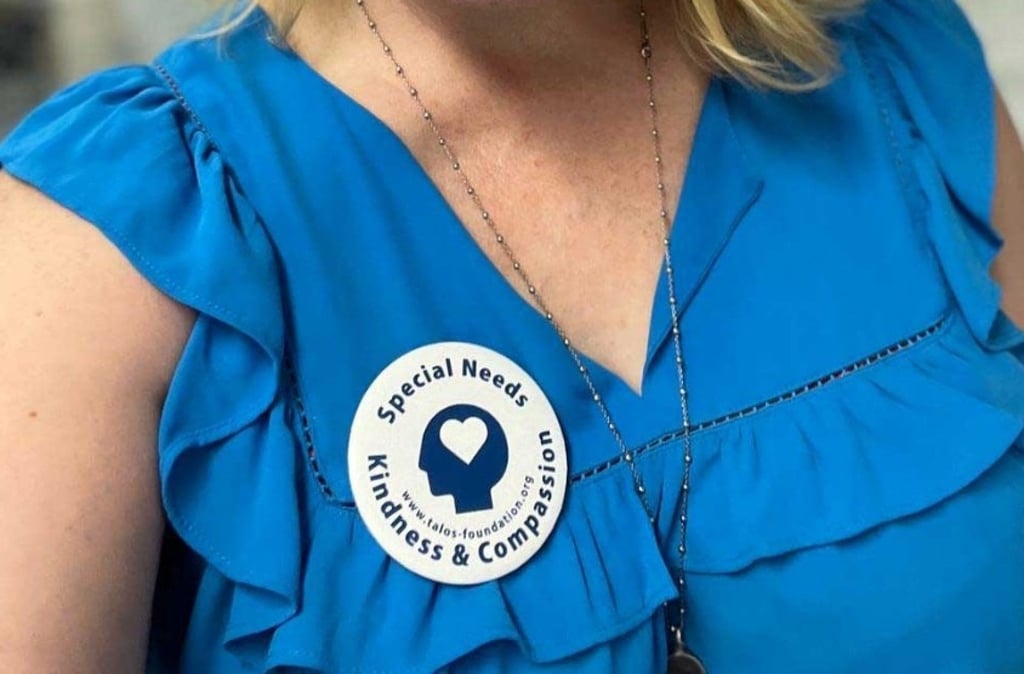
Alex wears one of these now wherever he goes. Thanks to a simple flag, his life has been transformed; without needing to tell his story, strangers show recognition and acceptance.
“Hong Kong moves fast and values efficiency, but it’s also a community-driven culture where families matter,” Schaus says. “These products work precisely because once people understand what they’re seeing, they almost always respond with empathy.”
For Schaus, the turning point came after a particularly traumatic outing with Alex that saw him denied the use of the only bathroom available, which was reserved for the disabled.
“He didn’t look disabled and because the person holding the keys to the bathroom didn’t understand that disabilities and differences may not be visible, he had an accident,” Schaus says.
Schaus decided to take matters into her own hands and help Alex lead his best life.
Awareness and acceptance
“The core issue in Hong Kong is awareness,” she says. “When awareness grows, acceptance follows. And acceptance is what ultimately leads to societal change.”
Many of these people, especially those who are non-speaking, would not normally have access to job-training programmes or jobs. It is an issue that is close to Schaus’ heart as Alex grows older.
“The question my husband and I had was, ‘What opportunities will Alex have when he reaches working age?’ We realised the real barrier wasn’t capability, it was perception.”
Talos Foundation holds a free monthly event at Central’s Café 8 every third Thursday of the month, as part of its partnership with The Nesbitt Centre, a charitable organisation dating back to 1993.
Empowerment through employment
The Nesbitt Centre provides learning facilities in Sai Ying Pun and Chai Wan, as well as – crucially – social enterprises that employ SEN people. This includes Museum Café 8 at the Central Ferry Piers, and The Nest coffee shops at St John’s Cathedral in Central, St Andrews Church in Tsim Sha Tsui and the SPCA in Tsing Yi.
You can witness the life-changing empowerment these people gain from being employed at these cafes, Schaus says.
“One young man who works at the event, and who communicates exclusively through an AAC, was able to secure a paid job at Café 8. People saw him working at the event, understood his abilities first-hand, and realised employment was not only possible but natural,” she says.
“For me, it’s a powerful example of what public demonstration can achieve. These events are both a workforce pipeline and an educational tool for society, showing that non-verbal individuals can absolutely work and thrive.”
There is more to be done. Hong Kong-based British film director and screenwriter Joanna Bowers, who directed the 2017 film The Helper, is now working on a film called Invisible Differences. A short animated documentary giving voice to the city’s neurodivergent community, it will be illustrated by Arthur Fujita, a neurodivergent teenager based in Hong Kong who finds art therapeutic.
His twin sister, Chloe, who is also neurodivergent, coloured in Arthur’s hand-drawn images, which have been brought to life with 2D animation. The two can be heard talking about their experiences in the film’s trailer, along with other neurodivergent Hongkongers.
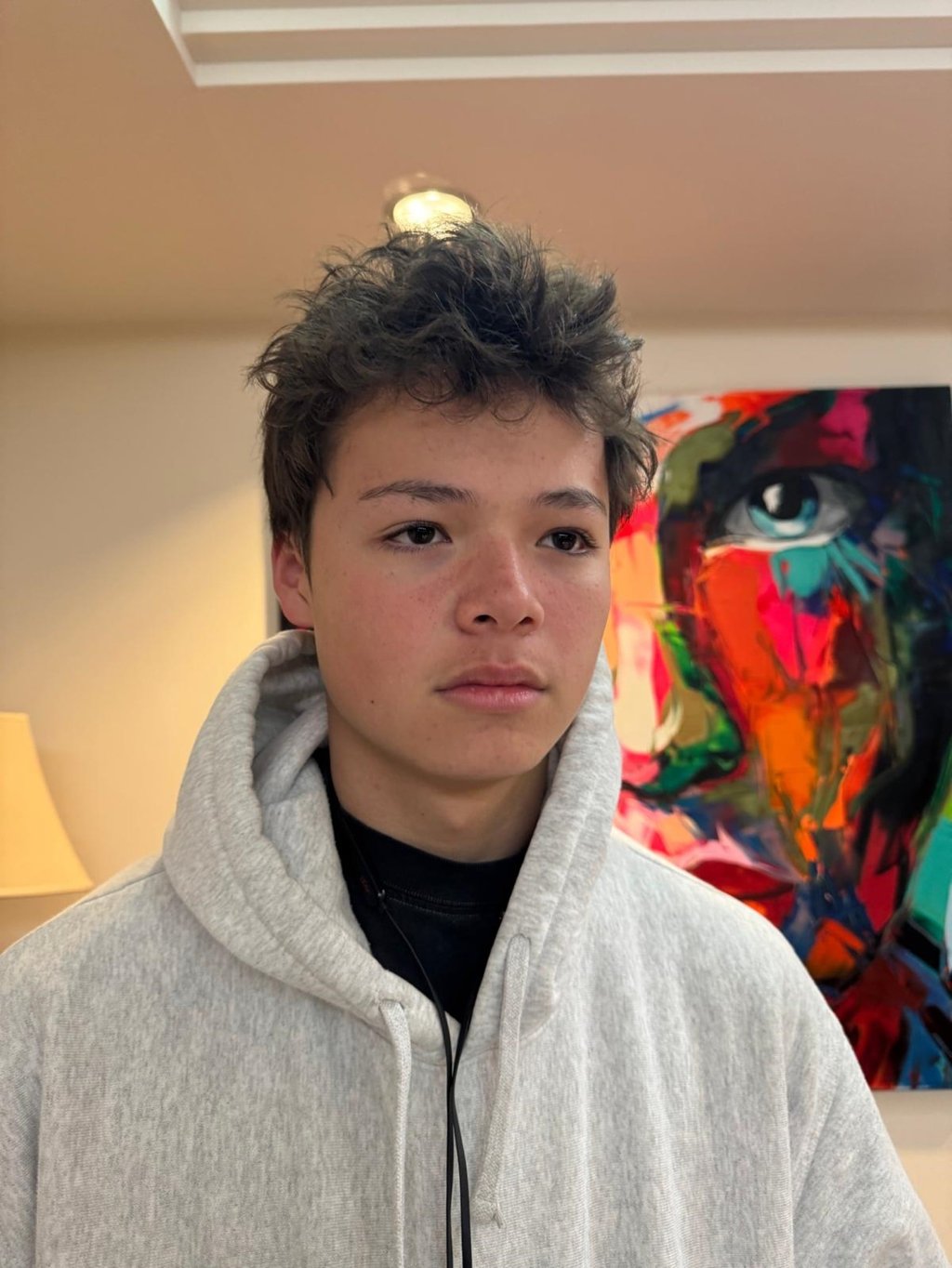
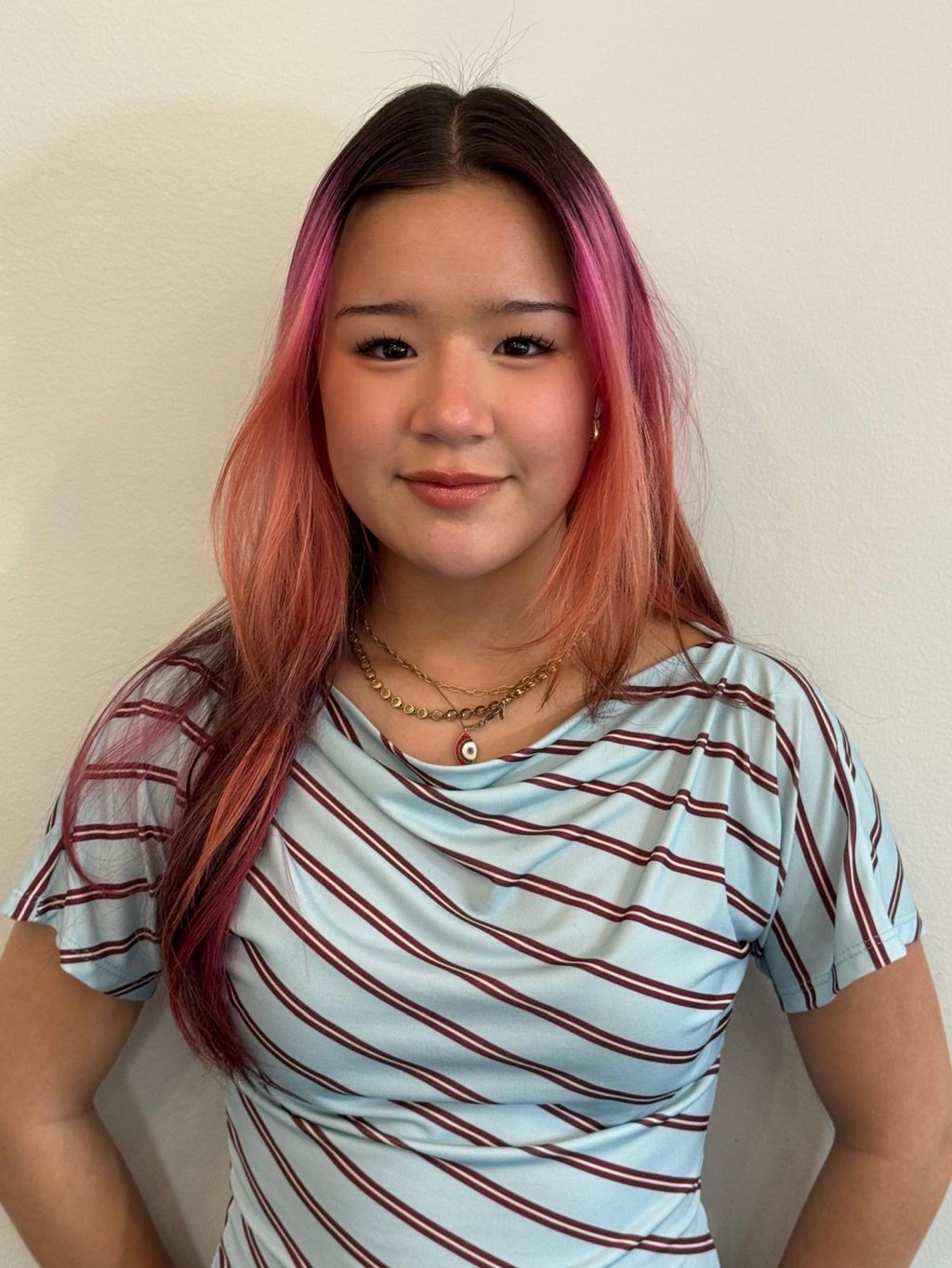
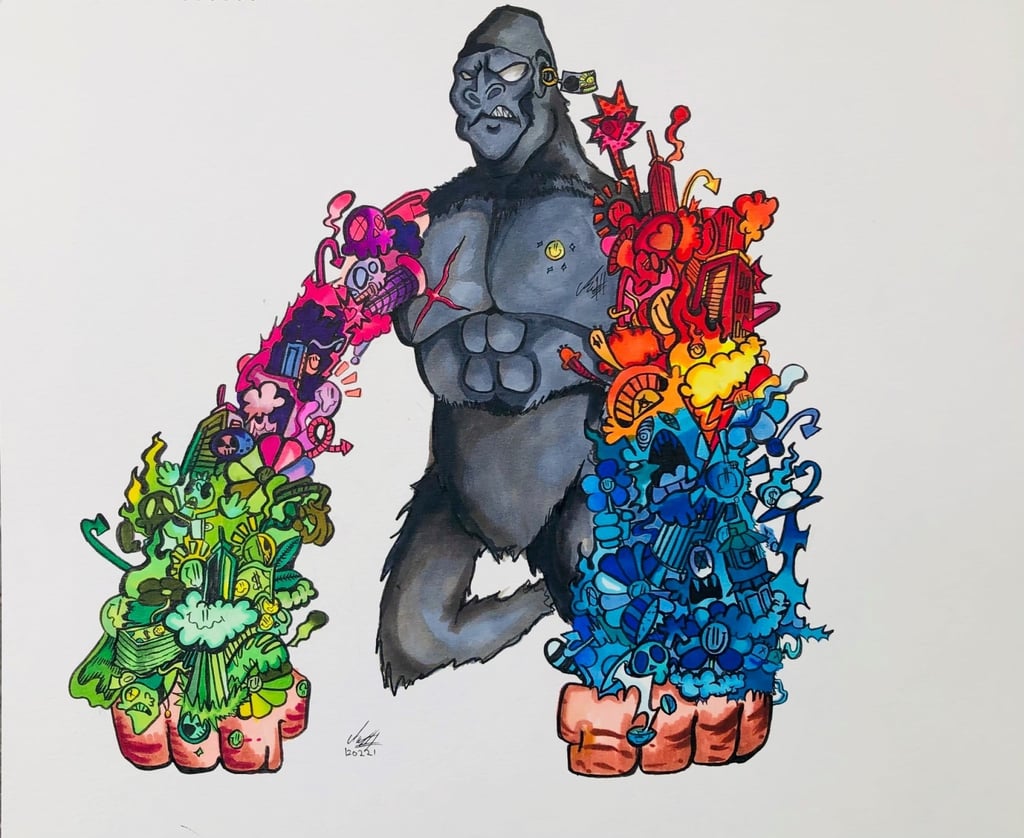
“I was immediately captivated by Arthur’s beautiful artwork and stunned that he was so young – 12 at the time he created it – he’s now 16 years old,” Bowers says. “When I learned that he’s neurodivergent and has experienced a lot of challenges throughout his teenage years as a result, I made the connection to Talos Foundation and the film I wanted to create for them.”
Talos Foundation has funded the trailer, but it will cost about HK$390,000 (US$50,000) to develop and complete the film. So far, about a quarter of the funds have been raised through crowdfunding and corporate donations.
The plan is to screen the film throughout Hong Kong – at schools, universities, companies, hospitals, transport providers and NGOs, in both Cantonese and English.
“As a mother myself and as someone with close friends with neurodivergent children, I know that increased empathy and understanding of neurodivergence can really have a substantially positive impact on families,” Bowers says.
“We hope this film will help reframe neurodiversity, that it shouldn’t just be seen as a disability.”
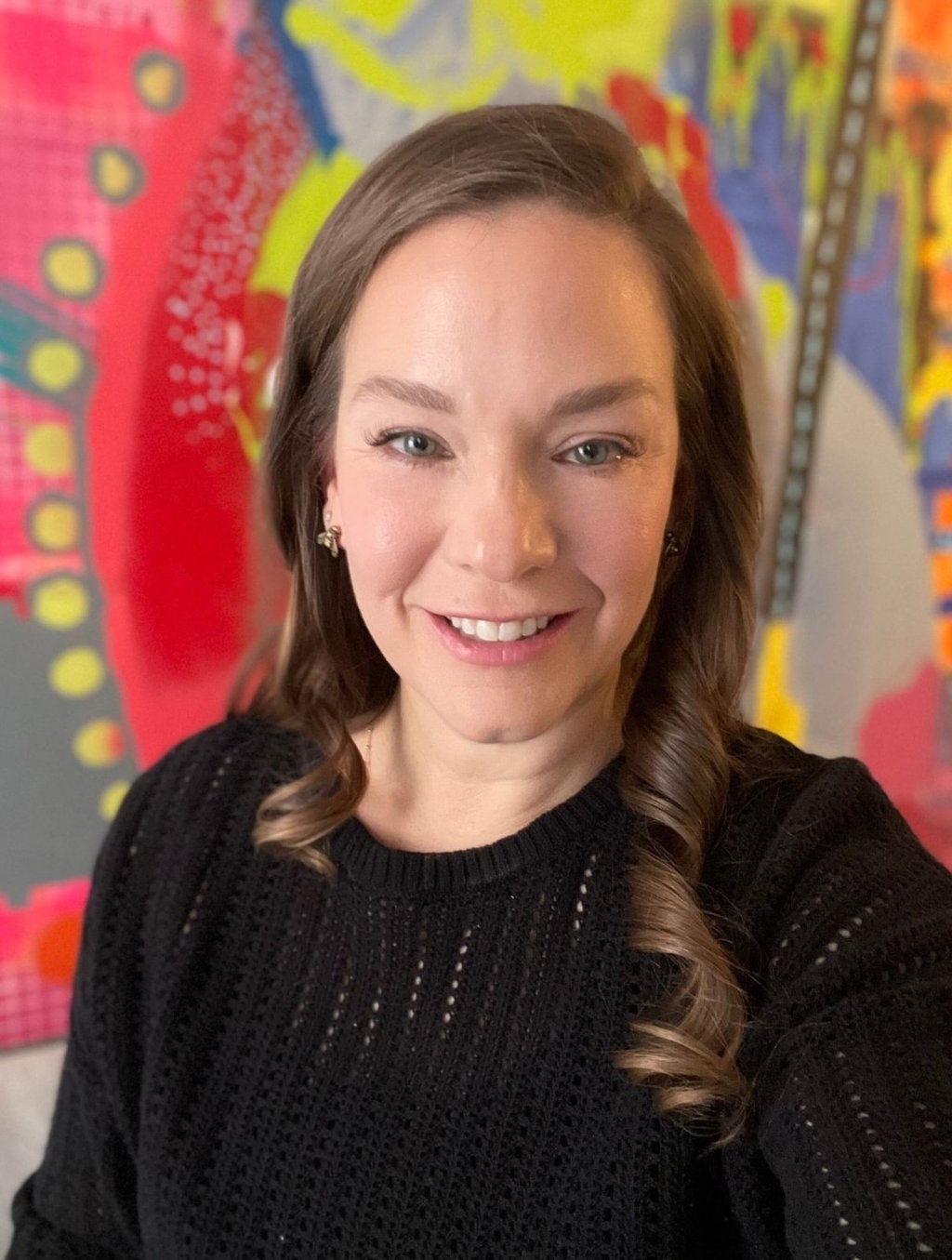
Schaus adds: “I’m optimistic that Hong Kong, and Asia more broadly, is moving in the right direction. I genuinely believe we’re approaching a period of transformation.”