

Introduction
Impulsivity is one of the core traits of Attention-Deficit/Hyperactivity Disorder (ADHD). It involves acting quickly, without fully considering consequences. While impulsivity can sometimes fuel creativity and spontaneity, it also carries serious risks—especially when it intersects with addictive behaviors. Research and clinical experience consistently show that people with ADHD are more vulnerable to substance use disorders, gambling addiction, and other compulsive behaviors largely because of impulsivity.
This article explores how impulsivity in ADHD fuels addiction, why the brain is wired this way, and what can be done to reduce the risk.
What Is Impulsivity in ADHD?

Impulsivity in ADHD is not simply a lack of willpower. It is rooted in brain function, particularly in areas responsible for executive control.
People with ADHD often struggle with:
-
Acting before thinking
-
Difficulty delaying gratification
-
Interrupting or taking risks without weighing outcomes
-
Chasing immediate rewards
Neurologically, this is linked to reduced activity in the prefrontal cortex, the brain region that regulates self-control, planning, and inhibition.
How Impulsivity Drives Addictive Behavior


Addiction thrives on impulsivity. Substances and addictive behaviors offer fast, powerful dopamine rewards, which are especially appealing to ADHD brains that naturally experience dopamine deficits.
Impulsivity contributes to addiction by:
-
Encouraging “just this once” decisions
-
Making it harder to resist cravings
-
Increasing risk-taking and experimentation
-
Reducing the ability to stop once behavior begins
For someone with ADHD, the gap between urge and action is often extremely short.
The ADHD–Addiction Dopamine Loop


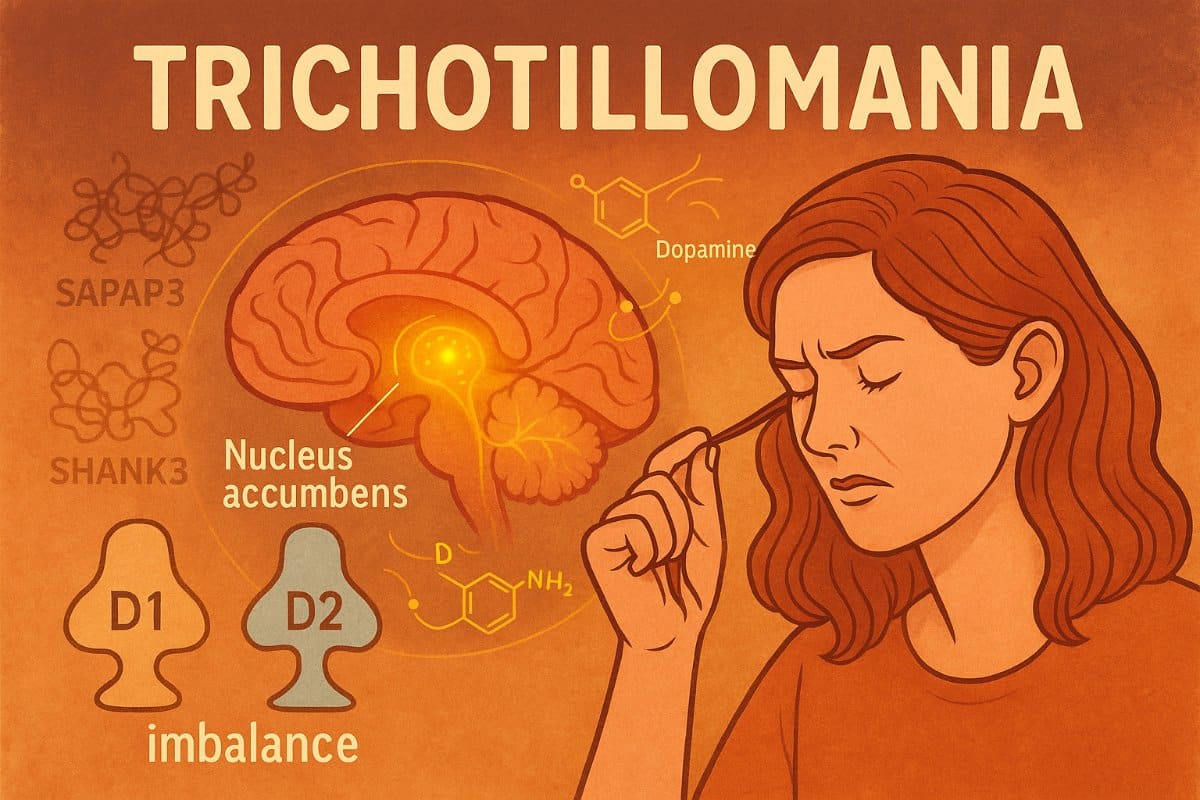
ADHD is associated with lower baseline dopamine levels, leading to chronic understimulation. Addictive substances or behaviors temporarily “fix” this by flooding the brain with dopamine.
This creates a dangerous loop:
-
Low dopamine → discomfort, boredom, restlessness
-
Impulsive action → substance use or risky behavior
-
Dopamine spike → short-term relief
-
Crash → stronger cravings and reduced self-control
Over time, this loop increases dependence and worsens impulsivity.
Why Even Mild ADHD Increases Addiction Risk
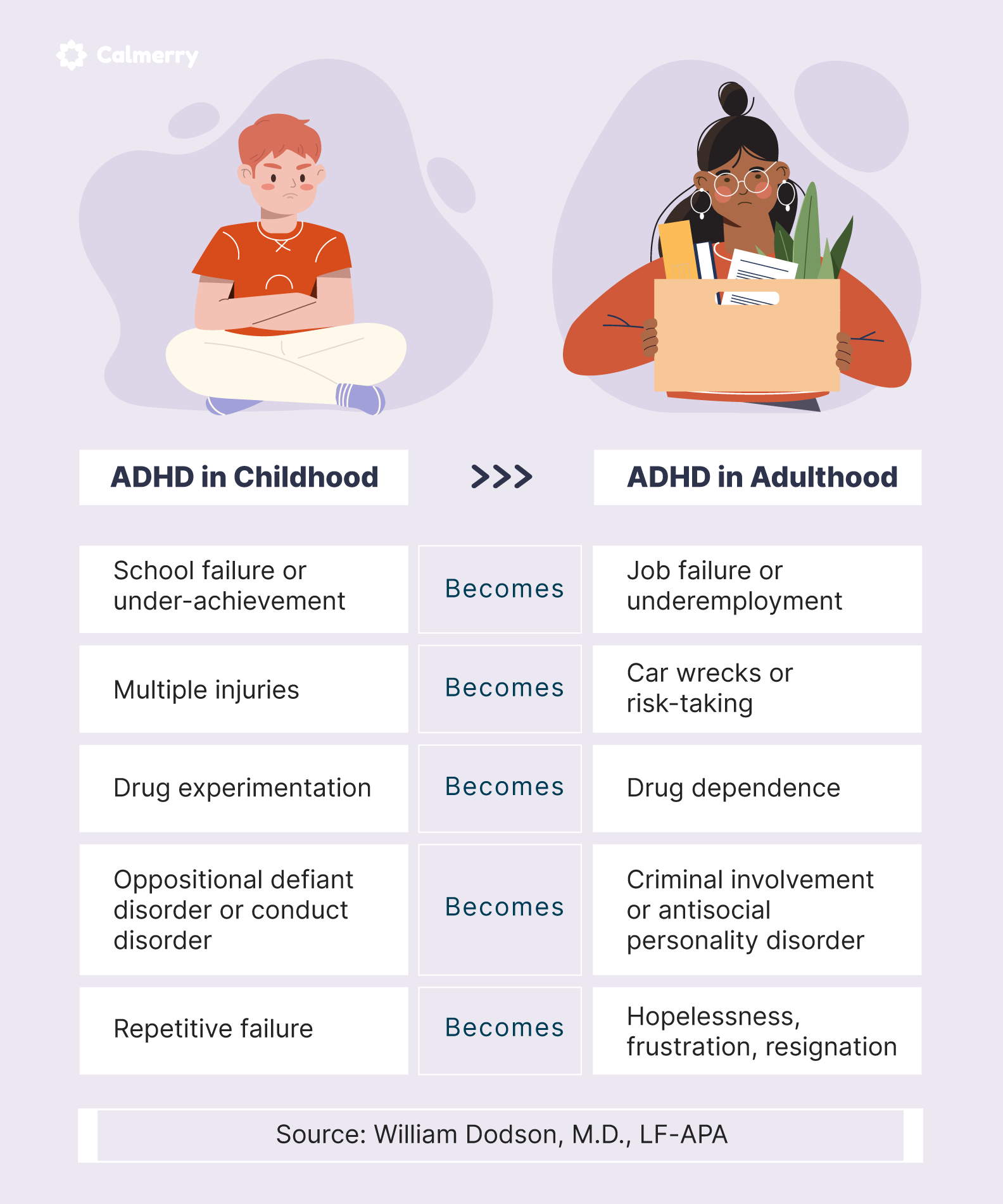


Even individuals with undiagnosed or mild ADHD face higher addiction risks because impulsivity often goes unmanaged. Without proper support, people may self-medicate with alcohol, nicotine, drugs, or compulsive behaviors to regulate mood and focus.
Common outcomes include:
-
Earlier age of substance experimentation
-
Faster progression from use to dependence
-
Higher relapse rates during recovery
Managing Impulsivity to Prevent Addiction


While impulsivity is a core ADHD trait, it can be managed with the right strategies.
Effective approaches include:
-
ADHD-specific therapy (CBT, DBT)
-
Medication to stabilize dopamine regulation
-
Mindfulness and delay techniques to slow decision-making
-
Structured routines that reduce impulsive triggers
-
Addiction-informed recovery programs tailored for ADHD
Early diagnosis and integrated treatment significantly reduce long-term addiction risk.
Final Thoughts
Impulsivity in ADHD is not a character flaw—it is a neurological challenge. When left unaddressed, it can quietly steer individuals toward addictive behaviors that feel relieving in the moment but destructive over time. Understanding this connection is a powerful step toward prevention, compassion, and effective recovery.
With awareness, proper treatment, and supportive environments, people with ADHD can learn to pause, choose differently, and build healthier reward systems—without sacrificing who they are.